
Netherlands: final regulations for experimental legal cannabis cultivation plan sent to Parliament

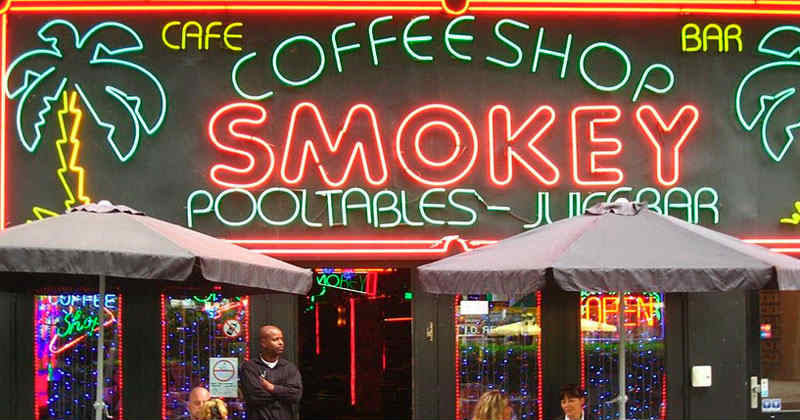
The Netherlands is internationally known for being the first country to legalize the recreational use of cannabis in the coffee shop. Nevertheless, their system is paradoxical because the production of cannabis remains illegal. Thus, the cannabis sold in the coffee comes from the black market and only becomes legal once it passes through the «back door» of the coffee. In March 2018, the Dutch government presented a plan for a legal cultivation pilot program to resolve this contradiction. What is the status of this plan?
Details of the plan
The call for a pilot program on the legal cultivation of cannabis originally came from the municipalities. The government's plan approved last July had been criticized by them. The mayor of Amsterdam, in particular, had stated that under these conditions, the city would not participate. Faced with the discontent among municipalities, so the plan was rejected. The government's final version was sent last week to both houses of Parliament, which must now debate it. It specifies the regulations that apply to each stakeholder : patterns for coffee shop, producers, and municipalities.
Municipalities
It was therefore decided that only 10 municipalities would be allowed to participate in the pilot program. Mayors have until April 23 to indicate their interest in participating. We already know that a total of 35 municipalities, including Amsterdam, Rotterdam, and Utrecht, have expressed interest. A decision is expected to be made within the year.
All the coffee shop Selected municipalities will be required to participate in the pilot program to prevent the coexistence of two systems and eliminate potential competition from the black market. Amsterdam, which has approximately 110 coffee shop had criticized this regulation. It is not yet clear whether the city, which has turned cannabis tourism into a lucrative business, will participate in the pilot program under these conditions.
The Producers
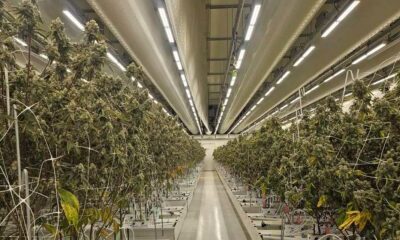
There will normally be only 10 producers, although the government reserves the right to appoint more. They may own multiple cultivation facilities, including in cities not participating in the pilot program (subject to the mayor’s approval). They must grow at least 10 different varieties at the start of the pilot program to maintain a diverse supply. They will also be responsible for quality control, packaging, and transportation of the products.
For now, it is unclear which companies are interested. Some may be attracted by the lucrative cannabis market in the Netherlands, but others might be deterred by the uncertainty of a mere pilot program. The coffee will sell products that have already been packaged and tested in laboratories, as supplied by approved producers. Prices have not been set; they will be determined by market forces. Regulations could lead to higher prices than they are currently.
Coffee shops
At present, the coffee Dutch residents must comply with the 500-gram possession limit. This limit will not apply to those participating in the pilot program. Possession limits will be set on a weekly basis and will be much higher. The supply must be kept in a secure safe, and the staff at the coffee will be required to undergo training to educate consumers about the risks.
The coffee Those located in towns bordering Belgium and Germany will be allowed to sell only to Dutch residents. This is not mandatory in other municipalities, but mayors may decide to ban sales to foreigners to prevent a form of cannabis tourism.
When will it be released?
The pilot program is expected to last four years, but will be preceded by a preparation and transition phase that is expected to last about one year. The preparation phase will allow producers to set up their production, and a transition phase lasting a few weeks will allow the coffee to sell off their inventory and gradually switch to a new source of supply.
According to the ruling coalition’s ministers of Health and Justice and Security, the laws governing this pilot program could take effect on January 1 of next year. Producers will then be able to apply, and if selected, they will be able to begin producing cannabis under government supervision. The cannabis produced will not be sold immediately to allow producers to maintain their inventory.
This means that even if Parliament votes on the matter quickly, the pilot program will not begin before 2021. However, legislative elections are scheduled for March 2021. Depending on the outcome of those elections, the composition of the coalition government could change. The resulting new cabinet might very well abandon this experimental plan.















Contest: Win a trip to Quebec to experience the hemp harvest firsthand

Bedrocan on Hold Amid Uncertainty Over Medical Cannabis

Newsweed Launches Its Own AI
A new tax of 0.5% could disrupt the hemp industry in Canada

Medical Cannabis and Driving: New South Wales Ends Automatic Penalties for THC

China's Yongji Health Takes Control of Tasmanian Botanics

Autism and Cannabis: Results from the First Placebo-Controlled Trial of NTI164

Which countries legalized medical cannabis before France?

From the boom in dispensaries to a purely medical approach: Thailand is revising its cannabis policy

South Korea is preparing to begin local production of medical cannabis to meet rising demand
-
 Cannabis and driving3 weeks ago
Cannabis and CBD: French Drivers Can Now Lose Their License Even Without a Positive Test Result
-

 Cannabis in France4 days ago
Which countries legalized medical cannabis before France?
-
Cannabis in France3 weeks ago
Cannabis Legalization: The LFI Bill Has a Major Problem—THC
-
Cannabis in the Netherlands2 weeks ago
One year after the launch of the Dutch cannabis experiment, the first trends are emerging
-
Business5 days ago
South Korea is preparing to begin local production of medical cannabis to meet rising demand
-
Cannabis in Argentina2 weeks ago
Argentina Opens Its Market to Hemp Flowers Containing 1% of THC
-
Cannabis in France2 weeks ago
French medical cannabis remains stalled at the Ministry of Health
-
Cannabis in Thailand4 days ago
From the boom in dispensaries to a purely medical approach: Thailand is revising its cannabis policy












You must be logged in to post a comment Login