
Living soil and Cannabis: the science behind sustainable cultivation


Beneath the surface of a healthy plant lies an ecosystem teeming with microbes, fungi, and insects that nourish, protect, and communicate with the roots.
For decades, the Cannabis Cultivation has been defined by control: specific nutrients, sterile substrates, and automated systems. But a growing number of growers now believe that the secret to cannabis of the highest quality—both environmentally and sensorially—lies in relinquishing some of that control and letting nature take its course.
What is a living soil?
A living soil is not just soil. It is a complex network of bacteria, fungi, protozoa, nematodes, arthropods, and organic matter, all working together to recycle nutrients and support plant life. The Scientists call this the soil food web, a dynamic, self-regulating system that allows nutrients to circulate according to natural cycles.
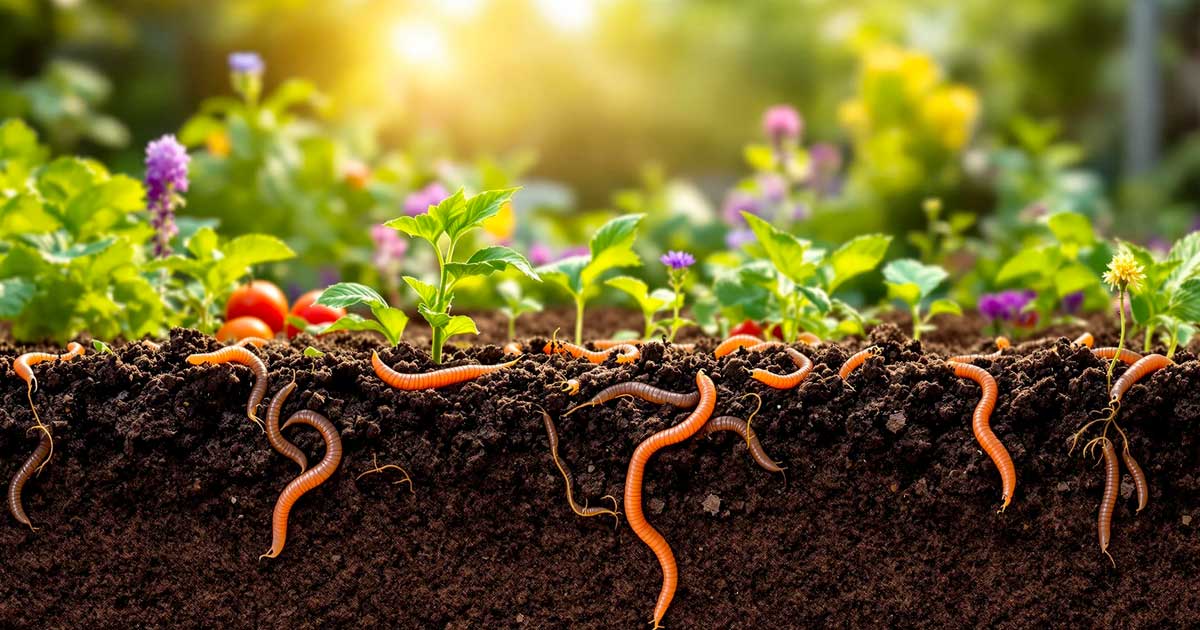
Living Soil for Cannabis
According to soil ecologists, a teaspoon of healthy soil contains more living organisms than there are people on Earth. In this underground metropolis, microbes exchange nutrients with plant roots in exchange for sugars produced through photosynthesis. The roots release carbon-based compounds called «exudates,» which feed the microbes, which, in turn, break down minerals and organic matter into forms that the plant can absorb.
For cannabis growers, this process can result in more resilient plants, stronger immune responses, and profiles of terpenes and cannabinoids more complex. Unlike the hydroponic systems Unlike sterile environments where nutrients are artificially controlled, a living soil ecosystem provides plants with what they need, when they need it.
From Tradition to Innovation
The idea is not new. Traditional cannabis growers in regions such as the Rif Mountains in Morocco, the Hindu Kush in Afghanistan, and the Emerald Triangle in Northern California have always relied on the fertility of their natural soils. These regions, with their terroirs These distinct regions have produced legendary varieties precisely because of the symbiosis between the plant, the climate, and the soil.
What is new is the scientific understanding and the deliberate reconstruction of these ecosystems within modern agricultural systems. The «Living Soils Movement» (living soils (in the language of Shakespeare) is inspired by the’regenerative agriculture, a philosophy that prioritizes soil health, carbon sequestration and biodiversity.
Farmers build their soil from scratch by layering compost, worm castings, kelp, rock dust, and natural soil amendments. They avoid synthetic fertilizers, which can disrupt microbial life, and prefer to «feed the soil, not the plant.».
Over time, the soil becomes self-sustaining, capable of being reused for several cycles and serving as a sustainable alternative to the extractive model of single-use growing media and bottled nutrients.
The microbial network beneath the roots
The heart of the cultivating living soils lies in the rhizosphere, the microscopic zone surrounding plant roots. It is a living frontier where thousands of microbial species interact, compete, and collaborate.
- The mycorrhizal fungi expand the root system, increasing the plant's access to water and phosphorus while exchanging carbon for nutrients.
- Rhizobacteria stimulate the root growth and protect against pathogens.
- Nematodes and protozoa feed on bacteria, thereby releasing nitrogen in a form that plants can absorb.
- Arthropods and earthworms aerate the soil, thereby improving its structure and drainage.
Studies have shown that this biological symphony not only affects plant health but also influences the expression of secondary metabolites, including terpenes and cannabinoids. In other words, microbes not only contribute to the growth of cannabis, they also help define its character.
A study published in 2021 in Frontiers in Microbiology suggests that manipulating the soil microbiome could improve both yields and cannabinoid composition. Other research links microbial diversity to increased terpene complexity, which may explain why many connoisseurs find that cannabis grown in living soil has deeper and more complex aromas.
A sensory difference you can feel
Walk into a drying room filled with cannabis grown in living soil, and you’ll immediately notice the difference. The aroma is more vivid: earthy, floral, spicy, and sometimes almost fermented. Growers often describe the terpene profile as «stronger» and «richer,» with a longer-lasting aroma.
Because living-soil cultivation systems promote slower, more balanced growth, they tend to produce flowers with denser resin glands and terpene profiles wealthier. «When you let nature guide the process,” explains a California farmer to GreenState, »You don’t force the plant; you work in partnership with it. You can taste the difference in the joint.”
Beyond its flavor, cannabis grown in living soil often has higher levels of minor cannabinoids such as CBG and CBC, which are precursors in the plant’s metabolic pathways. This “full-spectrum” term is increasingly valued by both medical and non-medical consumers who seek complexity rather than just potency.
Environmental and Economic Impacts
The environmental argument in favor of the living soil is compelling. Indoor cannabis cultivation, which dominates the legal market, is notoriously resource-intensive. A 2021 study by Colorado State University revealed that producing a single kilogram of dried cannabis flowers could emit between 2,283 and 5,184 kg of CO₂ equivalent, which is equivalent to driving across the United States eleven times.
In contrast, living soil systems—particularly in greenhouses or outdoors—can significantly reduce energy consumption and waste. Since the soil is reused and continuously enriched, there is no need for plastic pots, disposable growing media, or large quantities of bottled nutrients. Water retention improves naturally, reducing irrigation needs by up to 40 %.
Economically speaking, the benefits accumulate over time. After the initial investment in soil preparation, maintenance costs decrease, yields stabilize, and plant quality improves. For small-scale artisanal growers, this approach offers a path to differentiation in a saturated market dominated by uniform, lab-grown flowers.
As the European cannabis market begins to open up, particularly in countries such as Germany, the Netherlands, and Switzerland, soil-based cultivation could become a defining feature of the CSustainable European Cannabis, appealing to both environmentally conscious consumers and regulators.
Challenges and Misconceptions
Despite its promises, living-soil farming is not a shortcut. It requires patience, observation, and knowledge of biology. Growers must learn to detect signs of microbial imbalance, carefully monitor moisture levels, and control pests without resorting to chemical interventions.
Another misconception is that «organic» automatically means «safe.» If the inputs are contaminated, the Living soils can accumulate heavy metals or harbor harmful fungi such as the’Aspergillus. Appropriate testing, compost sourcing, and microbial management are essential to ensuring safety and compliance, particularly in regulated markets.
Indoor cultivation presents additional challenges. Maintaining microbial diversity in a closed, climate-controlled environment requires precise management of humidity, ventilation, and organic matter. Nevertheless, many growers have successfully adapted this method by using raised beds, layers of mulch, and «no-till» approaches, even in indoor facilities.
Beyond Culture: A Philosophical Shift
When it comes down to it, the Movement for Living Soil It represents more than just a farming technique: it is a shift in worldview. It challenges the industrial mindset that views nature as something to be optimized, and instead proposes a partnership based on ecology.
For many farmers, working in living soil «allows them to reconnect with the plant's natural rhythms.»
This philosophy extends far beyond the realm of cannabis. As consumers increasingly seek authenticity, traceability, and environmental integrity, cannabis grown in living soil is part of broader movements in the food, wine, and natural cosmetics industries. Just as winemakers celebrate terroir, cannabis growers are beginning to talk about «soil signatures» and ’microbial fingerprints.«.
In France, where the debate over cannabis legalization is progressing slowly, such an approach could even serve as a model for agricultural transition, bridging the gap between rural expertise and a modern, regulated cannabis economy.
The Future: Back to the Land
As legal cannabis continues to spread worldwide, there will be a strong temptation to industrialize it—to reproduce the same lab-grown flower on every continent. But some of the plant’s most profound qualities could be lost in the process.
The return to living soil reminds us that cannabis, like any crop, is first and foremost an agricultural product—a reflection of the ecosystem from which it originates. It is a call to slow down, look beneath the surface, and recognize that true innovation might mean relearning what our ancestors already knew: that healthy soil is the foundation of all life.
The future of cannabis may not lie in sterile laboratories or automated grow rooms, but in the vibrant buzz of microbial life right beneath our feet. While the plant is the star, the soil is its silent orchestra—an invisible symphony that makes everything else possible.












Cannabis Oil and Endometriosis: A Promising Study for Pain Relief

CBD is said to promote athletic recovery, without improving performance

294 cannabis clubs in Chile: a booming movement with uneven distribution

Chronic Sciatica: New York Approves First Clinical Trial of a THC-Based Medication

United States: The DEA is accelerating the integration of medical cannabis at the federal level

Florida is nearing one million patients using medical cannabis

Uruguay Revives Its Plan to Allow Tourists to Legally Access Cannabis

In Brazil, researchers are developing an innovative CBD eye drop

Autism: Medical Cannabis Is Linked to Reduced Anxiety

The $28 billion U.S. hemp market remains under threat
-
 Business7 days ago
The legal cannabis market in New York exceeds 4 billion $ in revenue
-

 Cannabis in France2 weeks ago
Which countries legalized medical cannabis before France?
-
Business2 weeks ago
South Korea is preparing to begin local production of medical cannabis to meet rising demand
-
Cannabis in the Netherlands4 weeks ago
One year after the launch of the Dutch cannabis experiment, the first trends are emerging
-
Cannabis in Thailand2 weeks ago
From the boom in dispensaries to a purely medical approach: Thailand is revising its cannabis policy
-
Cannabis in France4 weeks ago
French medical cannabis remains stalled at the Ministry of Health
-
Cannabis in Argentina3 weeks ago
Argentina Opens Its Market to Hemp Flowers Containing 1% of THC
-
Cannabis and driving2 weeks ago
Medical Cannabis and Driving: New South Wales Ends Automatic Penalties for THC
















You must be logged in to post a comment Login