Growing cannabis under mixed light: advantages, techniques and sustainability


As cannabis cultivation evolves, growers are becoming increasingly interested in mixed-light cultivation, a hybrid approach that combines natural sunlight and artificial lighting. This method is gaining popularity because of its ability to optimize plant growth and improve the bud quality and to increase yields, while providing environmental and economic benefits. By taking advantage of indoor and outdoor lighting, farms cannabis under mixed lighting bridge the gap between traditional farming methods, thereby creating versatile and efficient farming systems.
Understanding the culture of cannabis under mixed lighting
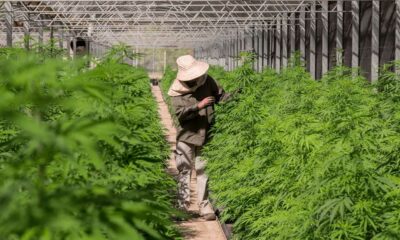
Cannabis cultivation using mixed lighting refers to a growing method that combines natural light with artificial lighting (HPS and LED). The main goal is to maximize energy efficiency and the benefits of the full spectrum of sunlight while supplementing it with artificial lighting to control photoperiods, improve plant growth, and extend the growing season. By providing a constant energy supply throughout the plant’s life cycle, growers can maintain optimal growing conditions, regardless of seasonal fluctuations or local weather conditions.
The Science Behind the’mixed lighting shows that a variety of light spectra enhance photosynthesis, stimulate nutrient absorption, and promote the development of secondary metabolites such as terpenes and cannabinoids. LEDs offer precise spectrum customization, while HPS lamps provide warm, intense light, ideal for flowering. The combination of these light sources mimics natural, dynamic lighting conditions, increasing both the efficiency and power.
Benefits of Growing Under Mixed Lighting
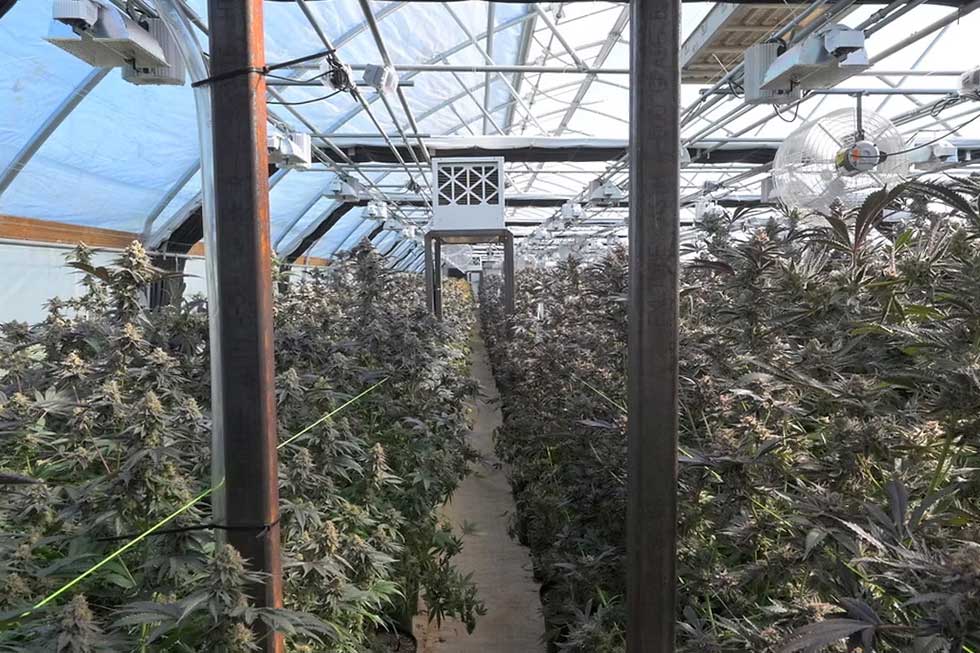
Optimized Flower Growth and Quality
One of the main advantages of the Cannabis cultivation under mixed lighting is its ability to enhance plant growth. By synchronizing artificial lighting with sunlight, growers can extend the photoperiod, which promotes more robust vegetative growth and maximizes flowering potential. Studies show that mixed lighting promotes cannabinoid production and terpenes, which result in richer, more aromatic, and more potent buds.
Profitability and Sustainability
Contrary to popular belief, the mixed-light cultivation can be very sustainable. Growers using mixed lighting do not rely on artificial light as their sole light source: sunlight remains the primary source, and artificial lighting is used only when necessary. By relying on sunlight, growers can significantly reduce their electricity consumption and operating costs, while minimizing their carbon footprint.
In addition, the environmental impact is mitigated through thoughtful practices: the plastics used in the greenhouses are durable and recyclable, water consumption is carefully monitored using a drip irrigation system and moisture sensors, and the soil is amended and replenished each year instead of being discarded. Growers using mixed lighting often seek sustainability certifications, thereby demonstrating that it is possible to produce cannabis in an environmentally responsible manner without compromising quality.
Implementing an efficient mixed lighting system
Choosing the Right Space and Equipment
It is essential to choose the right greenhouse or growing space. Structures with transparent roofs or walls allow for maximum sunlight penetration, while shading systems prevent heat stress during peak sunlight hours. Proper ventilation, temperature control, and humidity management are also essential for preventing mold and ensuring plant health.
Artificial lighting should complement sunlight rather than replace it. LEDs are preferred for their energy efficiency and their ability to finely tune the light spectrum, while HPS lamps are used strategically during the flowering stages. Timers, sensors, and environmental control systems further optimize growing conditions, allowing growers to harvest multiple crops per year.
Nutrient Management and Light Synchronization
The interaction between light and the plant nutrition is a crucial factor in mixed-light cultivation. The’Emerson effect, discovered in the 1950s, describes the increase in photosynthetic efficiency when plants are simultaneously exposed to red light and far-red light. This effect improves energy transfer between photosystems, stimulating growth while increasing nutrient absorption, particularly of calcium. Growers must carefully adjust nutrient profiles based on lighting conditions to ensure that cannabis plants remain healthy and productive at every stage of growth.
Addressing Environmental Challenges
Climate variability and local regulations can impact mixed-light cultivation operations. Cloudy days, extreme temperatures, or light pollution restrictions may require additional systems such as heaters, cooling units, or blackout curtains. Through proactive planning, growers can maintain consistent conditions, prevent stress, and ensure cannabinoid and terpene profiles stable.
In addition, artificial lights carefully synchronized with natural sunlight help maintain optimal photoperiods without overexposure, thereby enhancing photosynthesis and promoting uniform plant growth.
The Future of Cannabis: A Mixed Picture
As regulations evolve and consumers demand higher-quality, environmentally friendly cannabis, the mixed-light cultivation offers a balanced solution.
By combining natural sunlight with advanced lighting technologies, growers can achieve consistent yields, a superior flower quality and a reduced environmental impact. Hybrid systems offer flexibility for a variety of crop varieties and growing conditions, making them increasingly attractive to commercial and small-scale growers.
While setting up a mixed-light growing system requires careful planning, investment, and monitoring, the benefits are clear: healthier plants, richer flavors, increased potency, and sustainable production practices.
For farmers who value precision and adaptability, the Cannabis cultivation under mixed lighting represents the next frontier in modern cannabis farming.















Cannabis Oil and Endometriosis: A Promising Study for Pain Relief

CBD is said to promote athletic recovery, without improving performance

294 cannabis clubs in Chile: a booming movement with uneven distribution

Chronic Sciatica: New York Approves First Clinical Trial of a THC-Based Medication

United States: The DEA is accelerating the integration of medical cannabis at the federal level

Florida is nearing one million patients using medical cannabis

Uruguay Revives Its Plan to Allow Tourists to Legally Access Cannabis

In Brazil, researchers are developing an innovative CBD eye drop

Autism: Medical Cannabis Is Linked to Reduced Anxiety

The $28 billion U.S. hemp market remains under threat
-
 Business7 days ago
The legal cannabis market in New York exceeds 4 billion $ in revenue
-

 Cannabis in France2 weeks ago
Which countries legalized medical cannabis before France?
-
Business2 weeks ago
South Korea is preparing to begin local production of medical cannabis to meet rising demand
-
Cannabis in the Netherlands4 weeks ago
One year after the launch of the Dutch cannabis experiment, the first trends are emerging
-
Cannabis in Thailand2 weeks ago
From the boom in dispensaries to a purely medical approach: Thailand is revising its cannabis policy
-
Cannabis in France4 weeks ago
French medical cannabis remains stalled at the Ministry of Health
-
Cannabis in Argentina3 weeks ago
Argentina Opens Its Market to Hemp Flowers Containing 1% of THC
-
Cannabis and driving2 weeks ago
Medical Cannabis and Driving: New South Wales Ends Automatic Penalties for THC















You must be logged in to post a comment Login