
United States: End of public monopoly on cannabis research

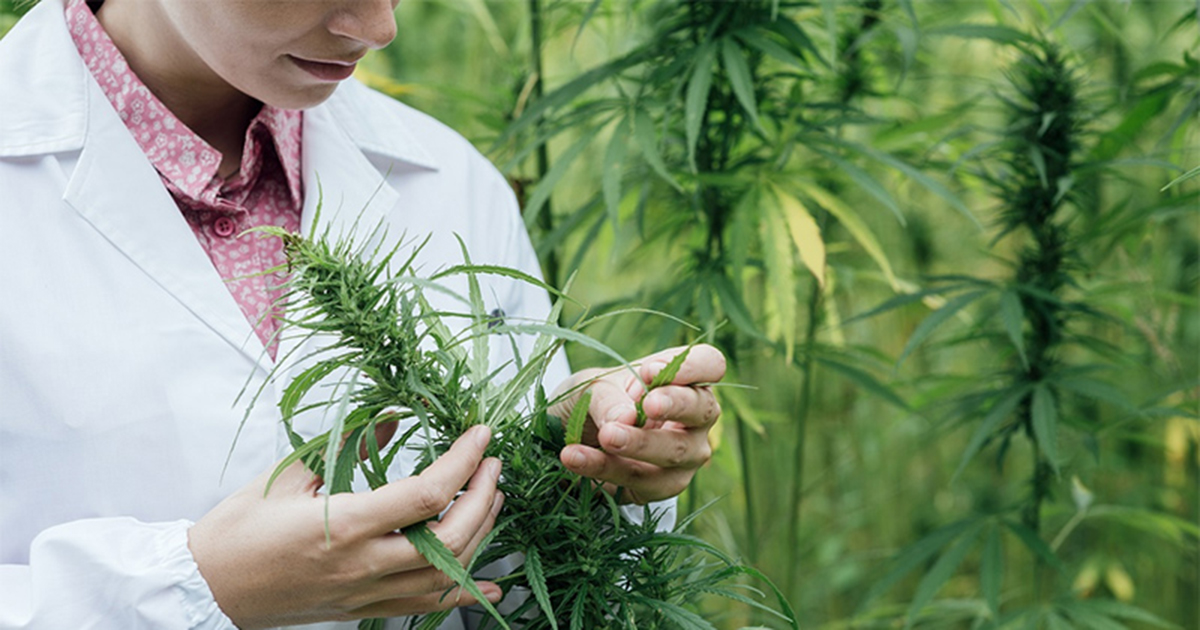
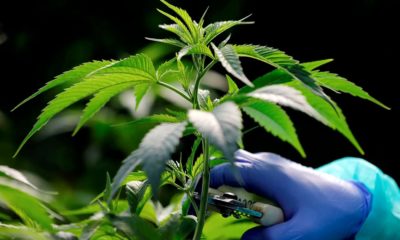
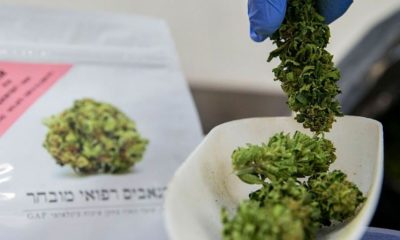
Gone are the days of the terrible cannabis grown by the U.S. government. The U.S. Drug Enforcement Administration has just authorized two private companies to grow the plant to supply it to scientists for their research. Groff North America Hemplex and Biopharmaceutical Research Company (BRC) have both begun harvesting.
In the United States, scientists cannot study just any cannabis flower: it must be provided to them by the government, through the Drug Enforcement Administration (DEA). This agency uses a public institute to grow cannabis. The problem is: we have almost I've never seen cannabis of such poor quality.
The DEA is thus ending 50 years of government monopoly on cannabis research. In recent years, Many scientists were calling for it. «These advances are the result of all the noise the cannabis community has been making for several decades.», says George Hodgin, the head of BRC, attached by Marijuana Moment. Her company just completed its very first harvest in November. It is currently undergoing inspection. If all goes well, the harvest will be sold to the DEA, which will then distribute it to researchers.
«The goal of this first harvest is to prove to the DEA that it's entirely feasible. We want to become one of their suppliers once we're up and running.», says the CEO of a company hired by Groff to grow cannabis.
The United States wants to catch up with Israel
The DEA also allows for an increase in production quotas. In 2022, it will allow for the cultivation of up to 3.2 metric tons of cannabis. That is nearly twice as much as in 2021, when it had set the limit at 2 metric tons.
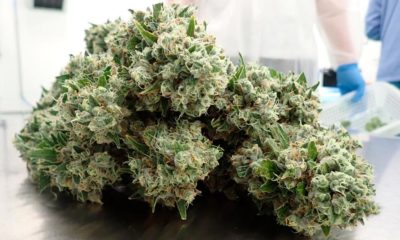
When the photo of «government-grown» cannabis was leaked in 2017, it caused a lot of laughter— Newsweed I get it. But it was a forced laugh, since that same «cannabis» ends up on researchers’ desks so they can develop new treatments. Sue Sisley, one of the scientists, is studying the role of cannabis for war veterans suffering from post-traumatic stress disorder.
In a gracious gesture, the public institute that was growing this imitation cannabis described it as «positive» this openness to private companies. This will allow researchers to work under better conditions. And, in fine, this should give a boost to cannabis research in the United States. In recent years, Israel has has made significant strides in the field.















CBD is said to promote athletic recovery, without improving performance

294 cannabis clubs in Chile: a booming movement with uneven distribution

Chronic Sciatica: New York Approves First Clinical Trial of a THC-Based Medication

United States: The DEA is accelerating the integration of medical cannabis at the federal level

Florida is nearing one million patients using medical cannabis

Uruguay Revives Its Plan to Allow Tourists to Legally Access Cannabis

In Brazil, researchers are developing an innovative CBD eye drop

Autism: Medical Cannabis Is Linked to Reduced Anxiety

The $28 billion U.S. hemp market remains under threat

Jamaica Eases Small Farmers' Access to the Cannabis Market
-
 Business5 days ago
The legal cannabis market in New York exceeds 4 billion $ in revenue
-
Cannabis and driving4 weeks ago
Cannabis and CBD: French Drivers Can Now Lose Their License Even Without a Positive Test Result
-

 Cannabis in France2 weeks ago
Which countries legalized medical cannabis before France?
-
Business2 weeks ago
South Korea is preparing to begin local production of medical cannabis to meet rising demand
-
Cannabis in the Netherlands4 weeks ago
One year after the launch of the Dutch cannabis experiment, the first trends are emerging
-
Cannabis in Thailand2 weeks ago
From the boom in dispensaries to a purely medical approach: Thailand is revising its cannabis policy
-
Cannabis in France4 weeks ago
French medical cannabis remains stalled at the Ministry of Health
-
Cannabis in Argentina3 weeks ago
Argentina Opens Its Market to Hemp Flowers Containing 1% of THC
















You must be logged in to post a comment Login