
Medical cannabis experiment may not lead to legalization

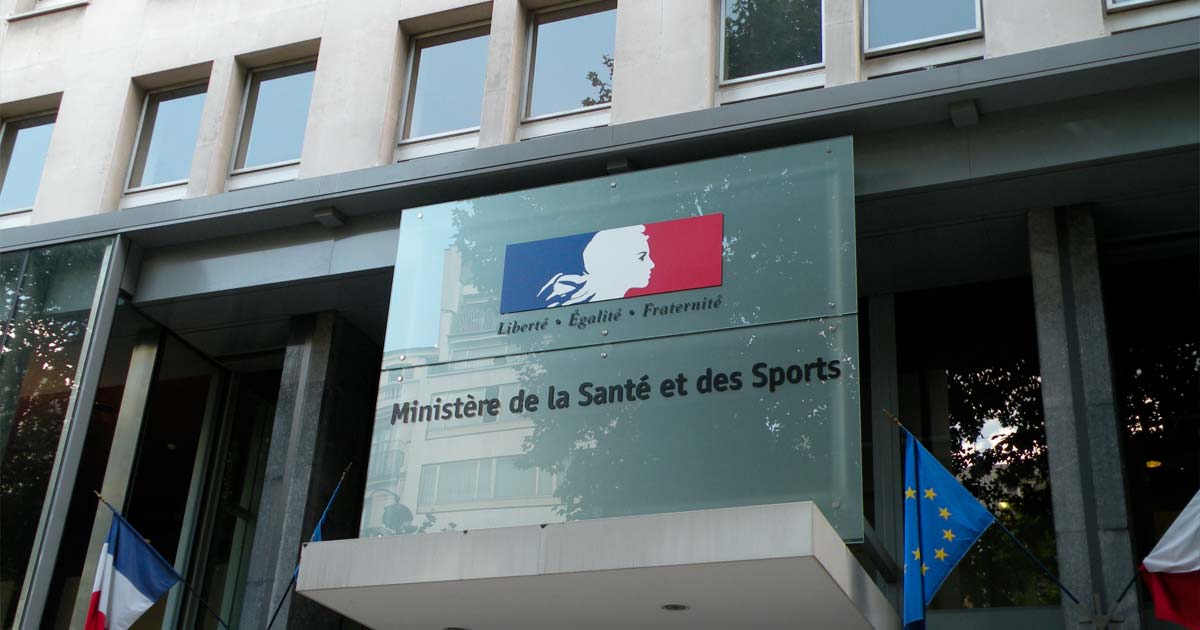
There was hope among the sick. They will have to be patient. According to our information, the experimentation of medical cannabis, who will finish in March 2023, could not lead to the legalization of medical cannabis in France.
Instead, a second experiment with a budget and duration currently undetermined. With a major difference compared to the first: cannabis-based medical products would be paid to suppliers this time, and also not provided free of charge.
The National Agency for Health and Medicine, which refers to the General Directorate of Health (DGS) for any requests regarding the follow-up of events, has already asked current suppliers for a price list to estimate the cost of the second trial, a source close to the matter confirms.
Since the sums calculated are particularly high, the Agency would also be forced to launch a call for tenders, mandatory as soon as the amount of a public contract exceeds €40,000 (or €100,000 for innovative products). The supply of medical cannabis could therefore be opened up to companies that are not currently part of the experiment. This obligation was avoided during the first experiment, as medical cannabis was supplied free of charge. The ANSM therefore benefited from greater freedom to choose suppliers at its discretion.
On the side of current experimentation, the inclusions have finally been extended until December 26th. Early July, 1,226 patients were included in the trial out of the 3,000 spots available. 540 patients have left the trial since its launch, including 186 due to adverse effects and 200 due to treatment ineffectiveness.
A report, conducted by an external entity, will be submitted to Parliament on September 26, six months before the end of the trial, and will assess the program based on the data collected.
Nicolas Authier, president of the temporary scientific committee for monitoring the experiment of cannabis for medical use, is not commenting on the potential continuation of the experiment. However, he confirms that «the decisions are now political and will take place in the coming weeks because the continuation (from April 2023) will need to be incorporated into the PLFSS2023,» the Social Security Financing Bill which sets the state's annual healthcare spending.
From there to concluding that allocating a budget to treat the sick, especially with cannabis, is the only reason preventing its widespread use, is a small step.
Nicolas Authier also explains to us that two major points remain to be settled:
- the status of these products (ad hoc, in this case to be incorporated into the public health code, or magistral preparation)
- whether or not reimbursed by health insurance
When questioned by us, the DGS has not yet responded to our requests for clarification.






















CBD: Full-Spectrum Extracts Under Threat in Greece

Medical Cannabis and Back Pain: Opioid Use Has Dropped by 90 % in 10 Years

Cannabis: Wisconsin Could Finally Legalize It in 2027

Argentina Opens Its Market to Hemp Flowers Containing 1% of THC

The French Socialist Party still doesn't know how to approach the legalization of cannabis

Science in the City International: Paris at the Heart of Transatlantic Scientific and Medical Dialogue

Christine Fréchette is alienating Quebec’s cannabis industry

Rima Hassan: When «Drugs» Become a Political Weapon

From Marathons to Ultratrails: How Extreme Running Affects the Endocannabinoid System

Four days of THC may make breast cancer less aggressive, according to a new study
-
 Cannabis and driving2 weeks ago
Cannabis and CBD: French Drivers Can Now Lose Their License Even Without a Positive Test Result
-
Cannabis in France2 weeks ago
Cannabis Legalization: The LFI Bill Has a Major Problem—THC
-

 Cannabis in the Netherlands7 days ago
One year after the launch of the Dutch cannabis experiment, the first trends are emerging
-
Cannabis in France1 week ago
French medical cannabis remains stalled at the Ministry of Health
-
Business7 days ago
The United Kingdom Is Moving Closer to a Regulated CBD Market
-
Cannabis in Argentina4 days ago
Argentina Opens Its Market to Hemp Flowers Containing 1% of THC
-
Cannabis in Europe3 weeks ago
Andorra Paves the Way for Medical Cannabis Cultivation
-
Cannabis in France3 weeks ago
Drought: Could Hemp Become the New Hope for French Farmers?











You must be logged in to post a comment Login