Why are some cannabis growers against legalization in California?

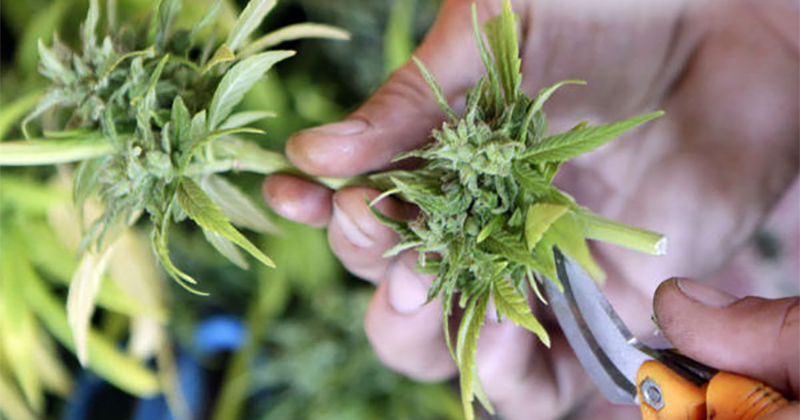
California is one of the 5 states to vote on cannabis legalization in November. You'd expect cannabis growers to welcome this initiative, but many are opposed to legalization.
A recent survey conducted by the California Growers Association of 750 growers, distributors and vendors found that only 31% supported the legalization measure, with 31% against and 38% undecided. It's a tough decision for growers, as recreational legalization will likely increase demand for their product, but at the same time could threaten them if they can't adapt to the new rules and competition, both of which are factors to consider when an industry opens up its market.
«I don't want to replace criminal injustice with economic injustice,» says Hezekiah Allen, California cannabis grower and executive director of the Association.
California growers won't be the only ones having to consider these issues. A record number of measures to legalize or decriminalize cannabis will be on the November ballot in the U.S. - 9 in all.
Growers opposed to this recreational legalization have reservations about new, stricter regulations on ecological footprint, pesticides, water use and waste management, and the possibility of losing their license if they fail to comply.
Other concerns relate to the arrival of large companies on the market, which would cause wholesale prices to fall. If the legalization measure passes in California, sales are expected to more than double by 2020, from $2.8 billion in 2015 to $6.5 billion. The price per kilo has already dropped 18% since January, according to Cannabis Benchmarks, a company that sets wholesale cannabis prices.
Many former growers oppose legalization for these reasons. These people have always lived off the radar, with the fear of getting raided and ending up behind bars. When cannabis was legalized for medical purposes and they were able to get licenses, the industry opened up. With Proposition 64, the industry will become professionalized, which is what these farmers fear.
Some are already planning to differentiate themselves, by growing organic weed, harvested and trimmed by hand, to make it a luxury product, or welcoming tourists and pivoting towards a "green" lifestyle. bud-and-breakfast.
There are also concerns about the negative consequences of increased cannabis consumption. These concerns stem in part from the THC percentages in cannabis products, particularly space food, which quickly lead to over-consumption and hospital visits.
States are rapidly adapting to the new problems created by legalization. Colorado, for example, has bans THC candies quickly to prevent children from ingesting it by mistake, and police forces are looking, for example, to better detect drivers' cannabis consumption.











Dr. Pascal Douek, a tireless advocate for medical cannabis in France, has died

Kentucky now has 26 medical cannabis dispensaries

«Vincy Gold»: Humboldt Seed Company on the Hunt for Saint Vincent Sativas

Cronos Completes the Acquisition of CanAdelaar for 57.5 million euros

Cannabis with a "bloody" twist: Discover Sensi True Blood and Sensi Sangria, the two new strains from Sensi Seeds

Hemp: The Council of the EU Takes a Stand on New Production and Marketing Rules

Missouri's legal cannabis market accounts for 93 % of consumer spending

THC Gummies: How to Read a Certificate of Analysis Before Buying

British patients now have access to THCV-rich cannabis flowers

Spain: Medical Cannabis Is Coming to About 50 Hospitals
-
 Business3 weeks ago
The legal cannabis market in New York exceeds 4 billion $ in revenue
-
Cannabis in France2 weeks ago
France already has 3,000 cannabis retail outlets. None of them are legal.
-
Cannabis in the U.S.2 weeks ago
A DEA report confirms that there are no fatal cannabis overdoses
-
Cannabis in France4 weeks ago
France’s Drug Policy Chief Defends Cannabis Prohibition... and Runs Into the Facts
-
Studies on cannabis2 weeks ago
Cannabis Oil and Endometriosis: A Promising Study for Pain Relief
-
Business2 weeks ago
Tilray is accelerating its operations in Europe thanks to a license in Portugal
-
CBD3 weeks ago
In Brazil, researchers are developing an innovative CBD eye drop
-
Cannabis in France2 weeks ago
CBD in France: Traceability, Retail Stores, THC and Driving… What the New Bill Proposes

















You must be logged in to post a comment Login