Regular cannabis users show no impairment in their driving skills, according to a new study

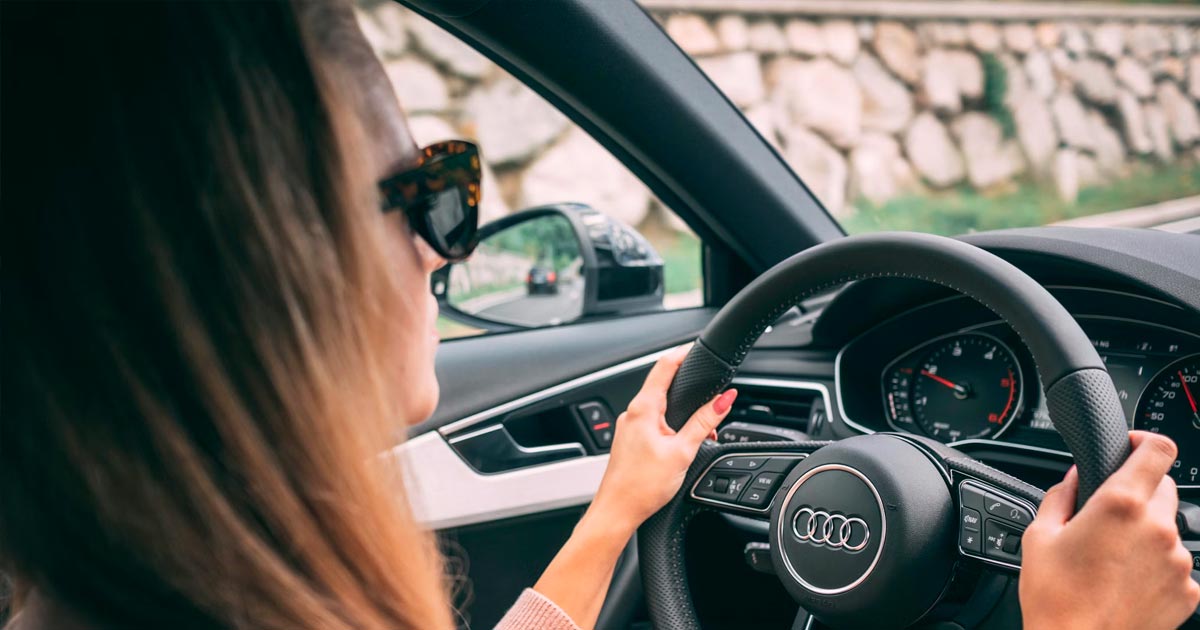
A new study calls into question one of the most controversial aspects of the fight against driving under the influence of drugs: the question of whether THC blood levels reliably reflect real-life impairment.
The researchers found that regular cannabis users showed no significant decline in simulated driving performance 12 to 15 hours after smoking, Many of them still have THC levels above the legal threshold in the UK. These results, published as a preview in the Journal of Cannabis Research, In addition to the above, the company's own research into the effects of alcohol and other substances on the environment supports the argument that current policies of roadside checks and blood tests could penalize drivers who are not actually drunk.
The study compared 65 regular cannabis users à 65 non-consumers, using a driving simulator to assess various performance indicators. The cannabis-using group had consumed cannabis the evening before, unlike the control group.
«The group of regular cannabis users showed no significant impairment of driving performance 12 to 15 hours after their last cannabis consumption the previous evening, compared with the control group,» the study concludes. «THC concentrations in blood and saliva may not be an accurate indicator of driving behavior.»
THC levels above the legal limit in the UK, but no reduction in driving performance
The average THC concentration in blood in the cannabis-using group remained higher than in the 2 ng/mL, which corresponds to the legal limit in the UK. Under current legislation, drivers exceeding this threshold can be prosecuted, whether or not their driving appears impaired.
Yet in multiple driving scenarios, the researchers found no significant difference between the cannabis-using group and the control group.
Participants in the cannabis group consumed products containing on average 30 % of THC and 0.6 % of CBD, inhaling about 159 mg THC. They were tested using four simulator scenarios designed to measure key indicators such as speed regulation, reaction time, following distance and trajectory control.
Research focused on the SDLP (standard deviation of lateral position), generally considered the most reliable indicator of cannabis-related impairment of driving ability, as it measures the amplitude of a vehicle's «zigzags» in its lane.
Surprisingly, the control group actually showed slightly higher SDLP scores under both standard and distracted driving conditions. These differences were small and not statistically significant.
Other parameters, such as speed and reaction time, also showed no difference. The number of collisions was too low to enable pertinent analysis.
Feeling high doesn't mean driving while impaired
The study revealed a discrepancy between subjective intoxication and objective driving performance. Cannabis users reported significantly higher levels of self-reported intoxication, at around 30 out of 100 on visual analog scales. They also felt that cannabis had affected their driving more than the control group.
Despite this perception, their performance showed no measurable impairment.
Another conclusion is that the researchers found no clear correlation between the THC percentage consumed and driving impairment measures.
Similarly, the THC in blood and THC in saliva were not correlated with driving performance. The researchers did, however, note a possible trend concerning the 11-hydroxy-THC (11-OH-THC), an active metabolite, although the evidence is not conclusive.
The authors of the study point out that their results apply specifically to regular users, i.e. those who consume cannabis. four to seven times a week. Many of the participants were daily consumers with an average age of 12 years of cannabis use, suggesting a strong tolerance profile.
Researchers warn that occasional users may react differently and suffer longer-lasting alterations. They also point out that edibles can result in longer-lasting THC levels in the blood than inhaled cannabis, which could affect driving for prolonged periods.
For the time being, this study adds to the evidence more and more according to which THC limits are not a reliable measure of driving risk on their own, especially among experienced users or medical patients who are, for the time being in the French experiment, forbidden to drive.


















JIHE 2026: Japan’s Largest Trade Show Dedicated to Hemp and CBD Returns to Tokyo with More Than 100 Industry Players
New Caledonia: The Courts Clear the Way for the Return of CBD

The Brazilian medical cannabis market continues to grow

Morocco: Three Cannabis-Based Medications Approved for the Treatment of Epilepsy

Canopy Growth Receives New EU-GMP Certification to Strengthen Its Presence in Europe

Three years after legalizing medical cannabis, Albania continues to establish regulations for it

The first plant-based medical THC spray arrives in the United Kingdom

Medical Cannabis in Germany: THC Prices Vary by a Factor of 12

France already has 3,000 cannabis retail outlets. None of them are legal.

Morocco's exports of legal cannabis have expanded to 15 countries
-
 Business2 weeks ago
The legal cannabis market in New York exceeds 4 billion $ in revenue
-

 Cannabis in France4 weeks ago
Which countries legalized medical cannabis before France?
-
Business4 weeks ago
South Korea is preparing to begin local production of medical cannabis to meet rising demand
-
Cannabis in France4 days ago
France already has 3,000 cannabis retail outlets. None of them are legal.
-
Cannabis in Thailand4 weeks ago
From the boom in dispensaries to a purely medical approach: Thailand is revising its cannabis policy
-
Cannabis in the U.S.5 days ago
A DEA report confirms that there are no fatal cannabis overdoses
-
Cannabis and driving3 weeks ago
Medical Cannabis and Driving: New South Wales Ends Automatic Penalties for THC
-
Cannabis in France3 weeks ago
France’s Drug Policy Chief Defends Cannabis Prohibition... and Runs Into the Facts














You must be logged in to post a comment Login