Philippine parliamentary committee approves plan to legalize medical cannabis


In the Philippines, the House of Representatives' joint committees on dangerous drugs and health have approved a bill paving the way for the medical and controlled use of cannabis, while maintaining strict regulations to prevent abuse.
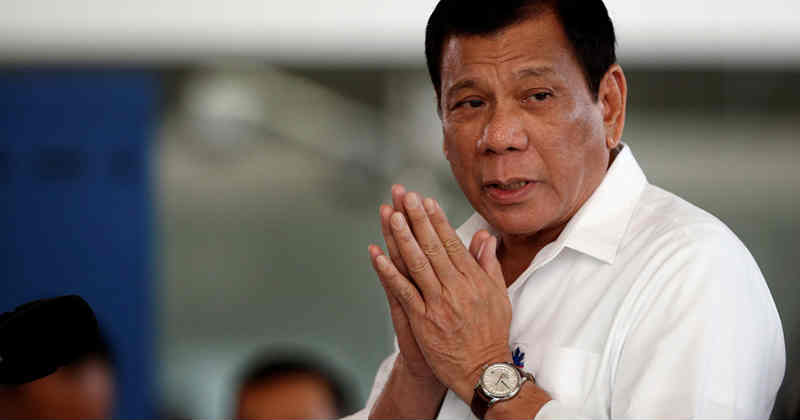
Robert Ace Barbers, the Surigao del Norte provincial representative who championed the bill, sums it up by pointing out that it does not decriminalize cannabis entirely, but rather paves the way for its medical application within the framework of existing narcotics laws.
He points out that «this [proposed] law only grants an exception to the enumeration of drugs prohibited under Republic Act No. 9165 by limiting it to medical use».
One of the bill's key provisions is the creation of an Office du cannabis médical (OCM) under the aegis of the Ministry of Health. This regulatory body will oversee the accreditation of health professionals and ensure compliance with rigorous authorization protocols.
Mr Barbers confirms the meticulous nature of the accreditation process, stressing the need for comprehensive training and compliance with rigorous criteria. These measures are imperative to maintain the integrity of medical practice and prevent the exploitation of cannabis for non-medical purposes.
In addition, the bill provides for severe penalties for those who seek to manipulate the system for personal gain. Falsifying an illness or prescription to obtain cannabis carries severe consequences, including substantial fines and incarceration.
By removing the special permits required for humanitarian reasons, The bill aims to reduce bureaucratic hurdles and speed up the processing of eligible people. Mr. Barbers asserts that 'once the proposed bill becomes law, the issuance of a CSP will no longer be necessary».
This simplified approach should improve patient care and boost confidence in the efficacy of medical cannabis, according to the MP.
The bill is underpinned by a commitment to empirical evidence and patient-centred care. Barbers explains the imperative of empirical validation, asserting, «We have to allow this product [to gain ground] so we can verify whether it really works.» And to prioritize patient outcomes and scientific research over ideological constraints.



















JIHE 2026: Japan’s Largest Trade Show Dedicated to Hemp and CBD Returns to Tokyo with More Than 100 Industry Players
New Caledonia: The Courts Clear the Way for the Return of CBD

The Brazilian medical cannabis market continues to grow

Morocco: Three Cannabis-Based Medications Approved for the Treatment of Epilepsy

Canopy Growth Receives New EU-GMP Certification to Strengthen Its Presence in Europe

Three years after legalizing medical cannabis, Albania continues to establish regulations for it

The first plant-based medical THC spray arrives in the United Kingdom

Medical Cannabis in Germany: THC Prices Vary by a Factor of 12

France already has 3,000 cannabis retail outlets. None of them are legal.

Morocco's exports of legal cannabis have expanded to 15 countries
-
 Business2 weeks ago
The legal cannabis market in New York exceeds 4 billion $ in revenue
-

 Cannabis in France4 weeks ago
Which countries legalized medical cannabis before France?
-
Business4 weeks ago
South Korea is preparing to begin local production of medical cannabis to meet rising demand
-
Cannabis in France4 days ago
France already has 3,000 cannabis retail outlets. None of them are legal.
-
Cannabis in Thailand4 weeks ago
From the boom in dispensaries to a purely medical approach: Thailand is revising its cannabis policy
-
Cannabis in the U.S.5 days ago
A DEA report confirms that there are no fatal cannabis overdoses
-
Cannabis and driving3 weeks ago
Medical Cannabis and Driving: New South Wales Ends Automatic Penalties for THC
-
Cannabis in France3 weeks ago
France’s Drug Policy Chief Defends Cannabis Prohibition... and Runs Into the Facts
















You must be logged in to post a comment Login