The International Criminal Court could prosecute Rodrigo Duterte for his war on drugs

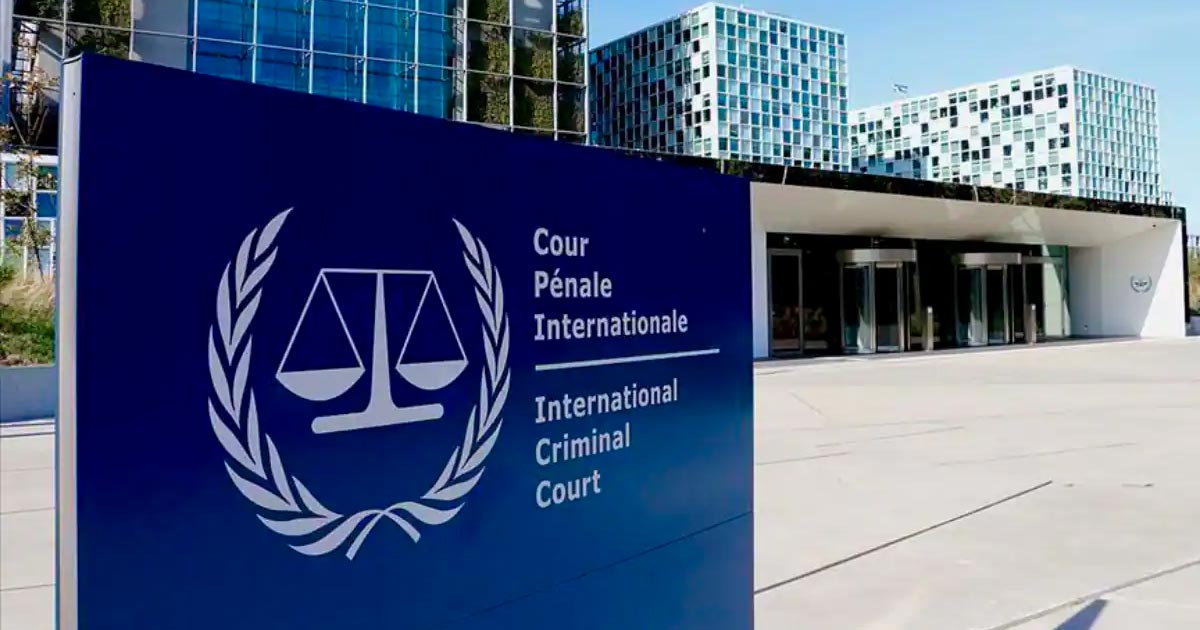
After years of a bloody war on drugs and drug users, Philippine President Rodrigo Duterte could find the wheels of international justice turning against him.
Last June, Fatou Bensouda, the outgoing chief prosecutor of the International Criminal Court (ICC), called on the international justice system to investigate allegations that Duterte is carrying out mass extrajudicial executions of those who, according to him, are selling illegal drugs in the country.
The Philippine Supreme Court ruled that that the country should be transparent about these police actions and that the government was required to cooperate with the ICC's criminal proceedings even though it has withdrawn from the Rome Statute. The Philippines has not been a member of the International Criminal Court since 2018, when Duterte announced its withdrawal.
The Philippine government has estimated that 6,117 «drug traffickers» were killed during the operations, though the actual numbers are likely much higher and are not limited to traffickers. The United Nations High Commissioner recently quoted figures that bring the death toll to more than 8,600 since March 2020 alone, and more than 27,000 people since mid-2016.
An independent human rights group known as INVESTIGATE PH has begun preliminary investigations to gather testimonies from people who have lost loved ones in the waves of state-sponsored violence. A preliminary report already submitted to the ICC by INVESTIGATE PH suggests that the government did not limit itself to killing those involved in the drug trade. Murders were also carried out against Duterte’s political opponents, casual drug users, and Filipino Muslims under the guise of the «war on terror.».
The victims' families have until August 13 to submit additional documents to The Hague detailing the abuses allegedly committed by Philippine authorities.
The ICC is expected to decide as early as mid-August whether to formally proceed with its investigation into Duterte's war on drugs.
A Crackdown on Drugs and Drug Users
Rodrigo Duterte launched a major crackdown on drug traffickers early in his political career, while he was mayor of Davao City. His pledges to crack down on crime—which he has largely limited to drug traffickers—were the central theme of his 2016 presidential campaign.
Philippine law enforcement agencies are hiding behind the concept of « nanlaban »—that is, resistance to arrest—to justify the deaths of the «traffickers.» The victims' families, however, often dispute the circumstances surrounding their loved ones' deaths.
In a contradictory move, the president alluded to the fact that he himself was a user of illegal drugs. At a government event in 2018, he publicly stated that his schedule was so «killing» him that it was why he chose to use cannabis. «At my age, I’m not really bothered [by my busy schedule] because I use cannabis to stay awake.».















Medical Cannabis in Germany: THC Prices Vary by a Factor of 12

France already has 3,000 cannabis retail outlets. None of them are legal.

Morocco's exports of legal cannabis have expanded to 15 countries

Aurora Cannabis Doubles Its Production Capacity in Germany

Tilray is accelerating its operations in Europe thanks to a license in Portugal

Boston will host the 10th annual State of the Cannabis Industry Conference on October 26

A DEA report confirms that there are no fatal cannabis overdoses

A British patient is challenging the NHS's refusal to reimburse medical cannabis

October 2026 CBD Highlights: 10 Strains and Hash to Discover from 5 French Producers

CBD in France: Traceability, Retail Stores, THC and Driving… What the New Bill Proposes
-
 Business2 weeks ago
The legal cannabis market in New York exceeds 4 billion $ in revenue
-

 Cannabis in France3 weeks ago
Which countries legalized medical cannabis before France?
-
Business3 weeks ago
South Korea is preparing to begin local production of medical cannabis to meet rising demand
-
Cannabis in Thailand3 weeks ago
From the boom in dispensaries to a purely medical approach: Thailand is revising its cannabis policy
-
Cannabis and driving3 weeks ago
Medical Cannabis and Driving: New South Wales Ends Automatic Penalties for THC
-
Cannabis in Argentina4 weeks ago
Argentina Opens Its Market to Hemp Flowers Containing 1% of THC
-
Autism3 weeks ago
Autism and Cannabis: Results from the First Placebo-Controlled Trial of NTI164
-
Cannabis in France2 weeks ago
France’s Drug Policy Chief Defends Cannabis Prohibition... and Runs Into the Facts

















You must be logged in to post a comment Login