The German medical cannabis market in figures

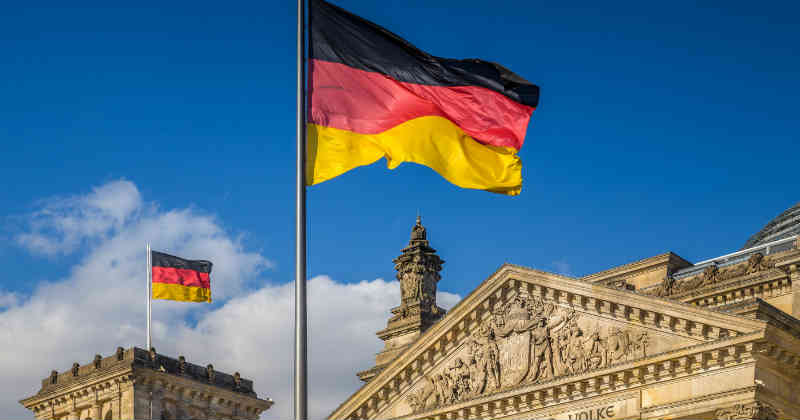
A survey and some data published by the government (in response to parliamentary questions) shed light on the German medical cannabis market. With a population of 83 million, whose average age is around 46, and a social security system that reimburses medical expenses, the German market is considered the golden goose of the European medical cannabis market. It is estimated to be worth 7.7 billion euros in 2028 by Prohibition Partners.
A patient survey
The survey was conducted on 4,774 patients. Over a quarter were aged between 50 and 59, and three-quarters between 40 and 79. In terms of gender, there were no notable differences. According to data collected by Marijuana Business Daily, Of these, 37% stopped treatment after one year (doctors must specify when the patient stops treatment), 45% because of lack of efficacy. Cannabis may not be a miracle cure, but it does appear to be effective in over 50% of cases.
69% of patients were prescribed cannabis for pain (22% for cancer) and 11% for spasticity (7% for multiple sclerosis). Surprisingly, the majority of medical cannabis prescriptions came from anaesthetists rather than general practitioners (only 20% of prescriptions). Two-thirds of prescriptions were for dronabinol, 21% for flower and 13% for Sativex. Fatigue and dizziness were the two most commonly reported side effects. 31% of patients discontinued their treatment because of side effects.
The study will continue until 2022, with further preliminary results expected in July. Marijuana Business Daily.
Import, production, distribution
The government specifies that imports may come from any country, provided that production complies with European GMP standards (pharmaceutical quality) and that the country of origin complies with the provisions of the 1961 Convention on Narcotic Drugs - i.e. a government agency regulates the market as well as exports/imports. In total, more than 750 kilograms of cannabis flowers were imported into Germany during the first quarter of 2019. 3,000 kilograms had been imported in 2018, corresponding to the production quota set by the government.
Domestic production is due to start soon. After major delays due to legal proceedings, Germany recently confirmed the agreement of its first three production licenses domestic. Canadian companies won the bid; the licensees are Aurora, Aphria and Demecan, a Berlin-based start-up in joint venture with Canada's Wayland Group. Licensed producers, under contract to the government, will be responsible for producing the 3,000 kg of medical cannabis needed to meet demand. That said, imports will continue to be authorized.
About CBD, If it is to be sold as a medicine, it must be prescribed by doctors in the same way as medical cannabis. Its production must also comply with GMP standards and, more generally, with the criteria of the German medical cannabis program. If it is to be sold as a dietary supplement, it will require prior marketing authorization. under European «novel food» regulations».


















Medical Cannabis in Germany: THC Prices Vary by a Factor of 12

France already has 3,000 cannabis retail outlets. None of them are legal.

Morocco's exports of legal cannabis have expanded to 15 countries

Aurora Cannabis Doubles Its Production Capacity in Germany

Tilray is accelerating its operations in Europe thanks to a license in Portugal

Boston will host the 10th annual State of the Cannabis Industry Conference on October 26

A DEA report confirms that there are no fatal cannabis overdoses

A British patient is challenging the NHS's refusal to reimburse medical cannabis

October 2026 CBD Highlights: 10 Strains and Hash to Discover from 5 French Producers

CBD in France: Traceability, Retail Stores, THC and Driving… What the New Bill Proposes
-
 Business2 weeks ago
The legal cannabis market in New York exceeds 4 billion $ in revenue
-

 Cannabis in France3 weeks ago
Which countries legalized medical cannabis before France?
-
Business3 weeks ago
South Korea is preparing to begin local production of medical cannabis to meet rising demand
-
Cannabis in Thailand3 weeks ago
From the boom in dispensaries to a purely medical approach: Thailand is revising its cannabis policy
-
Cannabis and driving3 weeks ago
Medical Cannabis and Driving: New South Wales Ends Automatic Penalties for THC
-
Autism3 weeks ago
Autism and Cannabis: Results from the First Placebo-Controlled Trial of NTI164
-
Cannabis in France2 weeks ago
France’s Drug Policy Chief Defends Cannabis Prohibition... and Runs Into the Facts
-
CBD1 week ago
In Brazil, researchers are developing an innovative CBD eye drop
















You must be logged in to post a comment Login