
Germany aligns with the EU and considers CBD in food as Novel Food

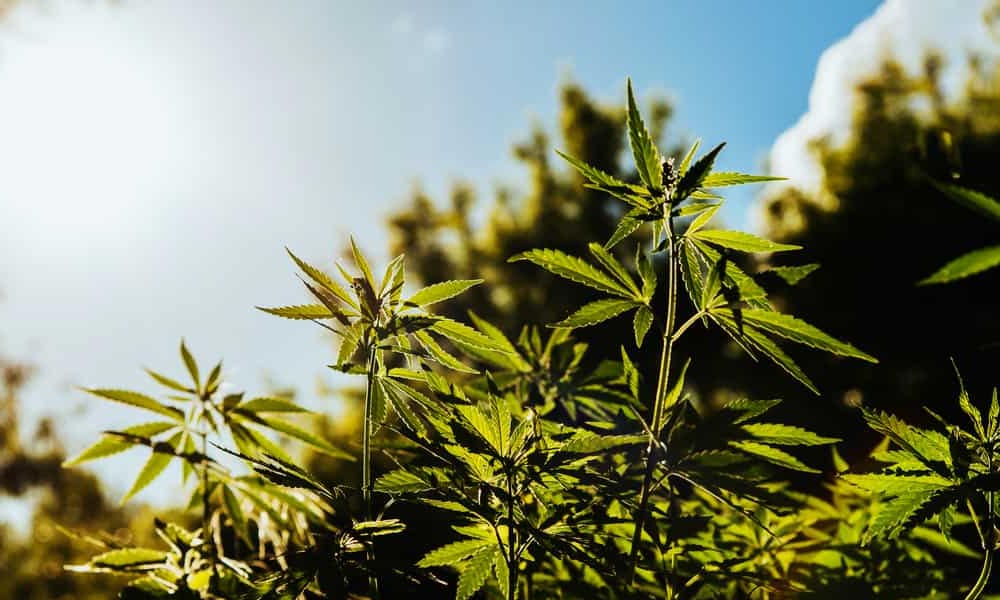
A court ruling by the Düsseldorf Court confirmed that German authorities would classify CBD as a “novel food” for food applications.
Germany is thus following the recommendations of the’EU regulation regarding CBD, which classified it as a «novel food». The European Commission has decided that CBD and products containing it that are intended for human consumption must be classified as Novel Foods throughout Europe. To be classified as a Novel Food, a product must not have been consumed to a significant extent prior to May 15, 1997.
The decision to classify CBD as a “novel food” means, in theory, that it cannot be marketed in the EU without authorization. Since the European Commission’s decision in January 2019, few EU countries have enforced this policy, leaving room for a number of unregulated markets in Europe.
Furthermore, the Novel Food catalog is only advisory for Member States, which may choose not to follow it. For example, in the United Kingdom, 6 million people use CBD-based products, and the industry is seeking to self-regulate in the absence of official regulations.
A binding decision
Germany’s decision to implement the European directive is in line with the guidelines of the German Federal Office for Consumer Protection and Food Safety, and sets the fine for potential violators at 200,000 euros. She stated that she was not aware of any cases in which the CBD could be sold legally as a food product.
Several arguments have been put forward in an attempt to prove the contrary. For example, some have argued that the «novel food» classification does not apply to a product derived from hemp that was consumed for health and wellness purposes well before 1997. However, the German authorities clarified that, although hemp itself is not new, the new food regulation applies to the food product derived from it.
German companies that wish to market CBD-containing food products will therefore have to submit an application for marketing authorization to European authorities. This process takes at least 18 months and costs €200,000, which automatically limits market access to large players. In Spain and Austria, which have announced their support for the European classification, no applications for CBD products have been filed since their classification as Novel Foods.
Earlier this year, Germany had already partially clarified the status of CBD products. She had clarified that the sale of hemp flowers was permitted only for the purpose of CBD extraction, and not as a raw product sold at retail.
The full decision can can be found here.

















CBD is said to promote athletic recovery, without improving performance

294 cannabis clubs in Chile: a booming movement with uneven distribution

Chronic Sciatica: New York Approves First Clinical Trial of a THC-Based Medication

United States: The DEA is accelerating the integration of medical cannabis at the federal level

Florida is nearing one million patients using medical cannabis

Uruguay Revives Its Plan to Allow Tourists to Legally Access Cannabis

In Brazil, researchers are developing an innovative CBD eye drop

Autism: Medical Cannabis Is Linked to Reduced Anxiety

The $28 billion U.S. hemp market remains under threat

Jamaica Eases Small Farmers' Access to the Cannabis Market
-
 Business5 days ago
The legal cannabis market in New York exceeds 4 billion $ in revenue
-
Cannabis and driving4 weeks ago
Cannabis and CBD: French Drivers Can Now Lose Their License Even Without a Positive Test Result
-

 Cannabis in France2 weeks ago
Which countries legalized medical cannabis before France?
-
Business2 weeks ago
South Korea is preparing to begin local production of medical cannabis to meet rising demand
-
Cannabis in the Netherlands4 weeks ago
One year after the launch of the Dutch cannabis experiment, the first trends are emerging
-
Cannabis in Thailand2 weeks ago
From the boom in dispensaries to a purely medical approach: Thailand is revising its cannabis policy
-
Cannabis in France4 weeks ago
French medical cannabis remains stalled at the Ministry of Health
-
Cannabis in Argentina3 weeks ago
Argentina Opens Its Market to Hemp Flowers Containing 1% of THC

















You must be logged in to post a comment Login