Does legalizing cannabis increase consumption?

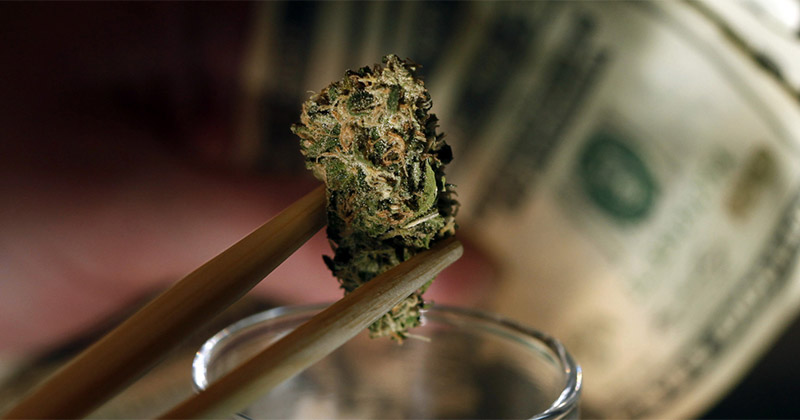
More than two years of research and studies summarized in the headline «Legalizing cannabis may increase its use.» That’s how the media has covered the Cannalex study, which we reported on report here. FranceInfo / AlloDocteurs, Release, Le Parisien, all these headlines, which cited an AFP news dispatch, focused on just one piece of data: the increase in cannabis use following legalization. At the risk of overlooking the rest.
Does the legalization of cannabis increase its use?
As reported in the Cannalex study, the legalization of cannabis has led to «an increase in the prevalence of use among adults» (more adults are using it) in the past month and in the past year (both regular and occasional use).
Among minors, Cannalex reports «stable prevalence rates of cannabis use.» The legalization of cannabis does not encourage minors to use it, but their use does not drop dramatically either. The most recent data show that, at the federal level, young Americans have never consumed so little cannabis in the past 20 years. In Colorado, 30-day prevalence among young people fell from 22% in 2011 to 21.2% in 2015. In Washington, the government's latest report also shows that consumption has declined among younger people and is increasing among adults.
Several factors generally explain the increase in use among adults. On the one hand, there are users who have «come out of the closet»—those who did not admit to their use before it became legal—and, on the other hand, there are new users. To our knowledge, the breakdown between these two groups has not been measured. But as is often the case, more complex attitudes lie behind the numbers.
The most important thing is that cannabis use among young people isn't increasing. They are the population most at risk from cannabis, and liberalizing the market does not, in principle, encourage them to use it. So why all the hatred?
Is the rise in cannabis use a serious problem?
All of this data points to from the most recent study on the use of cannabis following its legalization for medical purposes in U.S. states. The study, published in the journal Addiction, is summarized as follows: The legalization of medical cannabis is associated with higher rates of cannabis use but not with problematic use.
And that is what most French media outlets fail to point out. Cannabis is not a harmless substance, just like alcohol, cigarettes, or sugar, but failing to distinguish between its use and problematic use amounts to falling into the trap of prohibition.
Yes, long-term cannabis use in high doses can be harmful to the user. Yes, cannabis can be dangerous for young people. No, cannabis use comparable to «recommended» doses of alcohol among people over the age of 25 is not problematic.
Focusing solely on consumption rates means overlooking the broader issues surrounding legalization, and the conclusion of the Cannalex study presented by David Weinberger at the conference was very clear on this point. Legalizing cannabis means addressing three key areas: public health, safety, and economic issues. There is no perfect model at this time, and the most objective assessment must be based on a cost-benefit analysis.
Establish a system that would provide greater protection for consumers (quality-tested products, retail outlets), while regulating production and distribution (a regulatory framework for the industry), with legal businesses that pay taxes—even if this means more consumers—while addressing problematic consumption and keeping minors away through preventive measures—would that be worse than the current situation?
The comparison Christian Ben Lakdhar drew when discussing potential cannabis regulation in France with the legalization of online gambling is one part of the answer. The various experiments with decriminalization and legalization carried out in other countries are another.










«Vincy Gold»: Humboldt Seed Company on the Hunt for Saint Vincent Sativas

Cronos Completes the Acquisition of CanAdelaar for 57.5 million euros

Cannabis with a "bloody" twist: Discover Sensi True Blood and Sensi Sangria, the two new strains from Sensi Seeds

Hemp: The Council of the EU Takes a Stand on New Production and Marketing Rules

Missouri's legal cannabis market accounts for 93 % of consumer spending

THC Gummies: How to Read a Certificate of Analysis Before Buying

British patients now have access to THCV-rich cannabis flowers

Spain: Medical Cannabis Is Coming to About 50 Hospitals

JIHE 2026: Japan’s Largest Trade Show Dedicated to Hemp and CBD Returns to Tokyo with More Than 100 Industry Players

New Caledonia: The Courts Clear the Way for the Return of CBD
-
 Business3 weeks ago
The legal cannabis market in New York exceeds 4 billion $ in revenue
-

 Cannabis in France4 weeks ago
Which countries legalized medical cannabis before France?
-
Cannabis in France1 week ago
France already has 3,000 cannabis retail outlets. None of them are legal.
-
Cannabis in the U.S.1 week ago
A DEA report confirms that there are no fatal cannabis overdoses
-
Cannabis and driving4 weeks ago
Medical Cannabis and Driving: New South Wales Ends Automatic Penalties for THC
-
Cannabis in France3 weeks ago
France’s Drug Policy Chief Defends Cannabis Prohibition... and Runs Into the Facts
-
Studies on cannabis2 weeks ago
Cannabis Oil and Endometriosis: A Promising Study for Pain Relief
-
CBD2 weeks ago
In Brazil, researchers are developing an innovative CBD eye drop
















You must be logged in to post a comment Login