
Cannabis and surgery: a no-go?

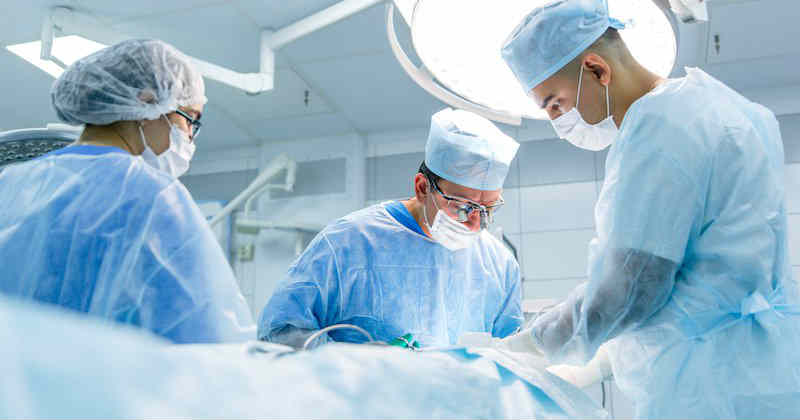
On several occasions, patients have been denied surgery because of their cannabis use. What are the medical and non-medical reasons that justify such a refusal?
Potential problems
Cannabis is often smoked in the form of a joint. It can therefore cause respiratory complications just like cigarettes. In a recent study In a study involving 50 patients, 26 of them required albuterol, a medication used to dilate the airways, and 31 of them required glycopyrrolate, a medication that prevents excessive saliva production. Both of these medications are used to prevent breathing difficulties and facilitate intubation.
«These problems are common to all chronic smokers,» explains Dr. Hervé Damas, a surgeon who also specializes in cannabis-based treatments. Thus, the problem is not cannabis itself but the method of consumption. Nevertheless, the same study highlights that cannabis appears to interfere with anesthetics. In this regard, it concurs with another study which, after comparing the medical records of anesthetized patients, concluded that patients who use medical cannabis required significantly higher doses of anesthetics—particularly propofol—during surgery.
Another study suggests that cannabis use may also lead to cardiovascular complications, particularly among young chronic users, by increasing the risk of myocardial infarction by 2.5 to 4 times. That said, the generalizability of these findings has been challenged. Given these risks, cannabis use leads to the use of more medications during surgery, thereby increasing the risk of adverse side effects associated with these medications. In general, doctors recommend stopping use at least 72 hours before any surgery.
In another study, In this study, researchers examined differences in pain experience in a postoperative setting among 155 patients who used cannabinoids and 155 non-users following major orthopedic surgery. It turns out that the former group reported a higher incidence and greater intensity of pain at rest (62.31 TP3T vs. 45.51 TP3T) and during movement (85.71 TP3T vs. 75.21 TP3T). Nevertheless, the researchers explain that «it seems logical that a person who takes a pain medication (such as cannabinoids) and undergoes a painful operation without having access to the medication afterward would generally experience increased pain.».
Moral barriers remain
While cannabis use does carry some additional risks in surgery, these do not appear to justify canceling the operation. However, there have been cases where doctors have refused to perform surgery after being informed that the patient uses cannabis. Last June, a Scottish patient and medical cannabis advocate, Bernadette McCready, who uses cannabis oil to relieve chronic pain following a hysterectomy, was denied surgery at the Royal Alexandra Hospital for that reason.
«I was sitting on the edge of the bed, just a few minutes before the operation, when I was thrown out of the hospital,» she explains to Daily Record. «It was as if there was a serial killer in the room. I’ve never felt so humiliated.» This kind of refusal is based on purely moral considerations. British public health authorities have stated that the possession or use of cannabis does not justify such a refusal: «Our policy is to provide care to everyone, regardless of lifestyle choices, except in very specific clinical circumstances.».
Unfortunately, this is not an isolated case: in Utah, before cannabis was legalized, A 19-year-old man was denied placement on a lung transplant list because of his past cannabis use. He was forced to go to a hospital in Pennsylvania where doctors are prohibited from denying a transplant based on cannabis use. When asked by the local press about this case, a surgeon at the hospital stated, «We have recently relaxed our criteria regarding cannabis.».
In a survey In a survey of 360 heart transplant providers across 26 countries, nearly two-thirds of respondents supported the inclusion of patients who use medical cannabis on transplant waiting lists. In contrast, only 27.51% of them support the admission of recreational cannabis users. These kinds of moral barriers can lead patients to hide their cannabis use from doctors. This can be dangerous because doctors cannot anticipate potential complications related to this use. Communication is essential. Especially since the majority of respondents in this study (68.1%) support transplantation if the patient has abstained.








Cannabis: Wisconsin Could Finally Legalize It in 2027

Argentina Opens Its Market to Hemp Flowers Containing 1% of THC

The French Socialist Party still doesn't know how to approach the legalization of cannabis

Science in the City International: Paris at the Heart of Transatlantic Scientific and Medical Dialogue

Christine Fréchette is alienating Quebec’s cannabis industry

Rima Hassan: When «Drugs» Become a Political Weapon

From Marathons to Ultratrails: How Extreme Running Affects the Endocannabinoid System

Four days of THC may make breast cancer less aggressive, according to a new study

Medical Cannabis: 14 Organizations Finally Call for Enforcement of the Law

One year after the launch of the Dutch cannabis experiment, the first trends are emerging
-
 Cannabis and driving2 weeks ago
Cannabis and CBD: French Drivers Can Now Lose Their License Even Without a Positive Test Result
-
Cannabis in France2 weeks ago
Cannabis Legalization: The LFI Bill Has a Major Problem—THC
-

 Cannabis in the Netherlands6 days ago
One year after the launch of the Dutch cannabis experiment, the first trends are emerging
-
Cannabis in France7 days ago
French medical cannabis remains stalled at the Ministry of Health
-
Business6 days ago
The United Kingdom Is Moving Closer to a Regulated CBD Market
-
Cannabis in Europe2 weeks ago
Andorra Paves the Way for Medical Cannabis Cultivation
-
Cannabis in Argentina3 days ago
Argentina Opens Its Market to Hemp Flowers Containing 1% of THC
-
Cannabis in France3 weeks ago
Drought: Could Hemp Become the New Hope for French Farmers?














You must be logged in to post a comment Login