Study: cannabis use can be a problem during anaesthesia


A recent study published in the Journal of the American Osteopathic Association, found that cannabis use could alter some patients' tolerance to sedatives. In fact, according to the study, cannabis users require doses on average twice as large as non-users. This finding could have important implications for medical practice.
The study
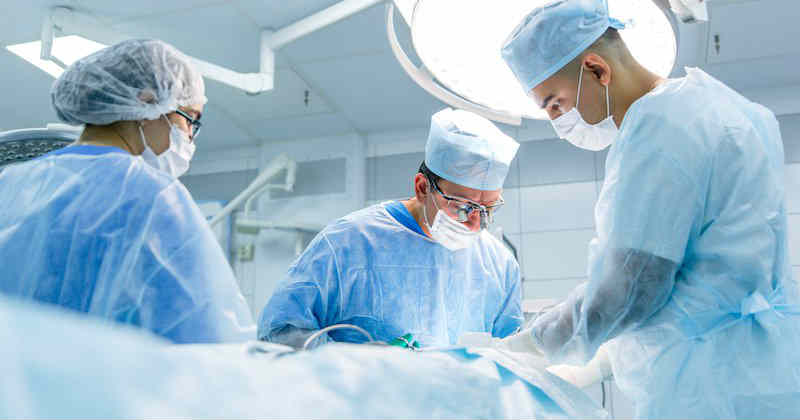
The study was held in Colorado which legalized recreational cannabis in 2012. The researchers studied the files of several patients who underwent endoscopy between 2016 and 2017. This operation requires only local anesthesia. The study looked at three sedatives used in this type of procedure: fentanyl, midazolam and propofol. Compared with non-users, cannabis users required 14% more fentanyl, 19.6% more midazolam and 220.5% more propofol.
An Australian study (2009) on propofol doses required for laryngeal mask anesthesia came to similar conclusions. Cannabis-using patients required higher doses. The study compared 30 user and 30 non-user patients. The Colorado study analyzed data from 250 patients, including 25 registered users. Age, gender and other substance use (alcohol, benzodiazepines and opiates) were taken into account.
Larger-scale studies are needed to confirm these conclusions, particularly with general anaesthesia and taking into account pain tolerance and the duration of the procedure, two factors which also influence dosage.
What does this mean?
These findings are important because if cannabis use interferes with anesthetics, it can be dangerous in the event of anesthesia. Furthermore, if cannabis increases tolerance to these drugs, higher doses are required, increasing both the risk of serious side effects and the cost of the operation. THC can remain in the body for several weeks. Patients must therefore report any prior use to the doctors concerned. Despite the increasing legalization of cannabis and its standardization, some patients are still reluctant to report their use for fear of being stigmatized.
The effect of the sedatives mentioned above depends on the dose administered. If they are less effective on cannabis users, this may mean that cannabis interacts with these drugs and prevents them from working. The exact mechanism of this interaction is still unknown, but it is likely that cannabis acts on the same receptors as some sedatives. However, if cannabis acts on the same receptors, it may also mean that it has a similar action. Certain varieties of cannabis have a powerful sedative effect.
Cannabis will never replace anesthetics in surgical procedures, but it can nevertheless be an effective substitute in a post-operative context. Indeed, in the case of chronic pain, cannabis is increasingly emerging as a desirable alternative in view of the devastating side effects of opioids. Fentanyl in particular is known to be extremely addictive. Cases of addiction following medical operations have become a major public health problem in the United States.






Medical Cannabis in Germany: THC Prices Vary by a Factor of 12

France already has 3,000 cannabis retail outlets. None of them are legal.

Morocco's exports of legal cannabis have expanded to 15 countries

Aurora Cannabis Doubles Its Production Capacity in Germany

Tilray is accelerating its operations in Europe thanks to a license in Portugal

Boston will host the 10th annual State of the Cannabis Industry Conference on October 26

A DEA report confirms that there are no fatal cannabis overdoses

A British patient is challenging the NHS's refusal to reimburse medical cannabis

October 2026 CBD Highlights: 10 Strains and Hash to Discover from 5 French Producers

CBD in France: Traceability, Retail Stores, THC and Driving… What the New Bill Proposes
-
 Business2 weeks ago
The legal cannabis market in New York exceeds 4 billion $ in revenue
-

 Cannabis in France3 weeks ago
Which countries legalized medical cannabis before France?
-
Business3 weeks ago
South Korea is preparing to begin local production of medical cannabis to meet rising demand
-
Cannabis in Thailand3 weeks ago
From the boom in dispensaries to a purely medical approach: Thailand is revising its cannabis policy
-
Cannabis and driving3 weeks ago
Medical Cannabis and Driving: New South Wales Ends Automatic Penalties for THC
-
Cannabis in Argentina4 weeks ago
Argentina Opens Its Market to Hemp Flowers Containing 1% of THC
-
Autism3 weeks ago
Autism and Cannabis: Results from the First Placebo-Controlled Trial of NTI164
-
Cannabis in France2 weeks ago
France’s Drug Policy Chief Defends Cannabis Prohibition... and Runs Into the Facts
















You must be logged in to post a comment Login