
CBD could help certain drugs cross the blood-brain barrier

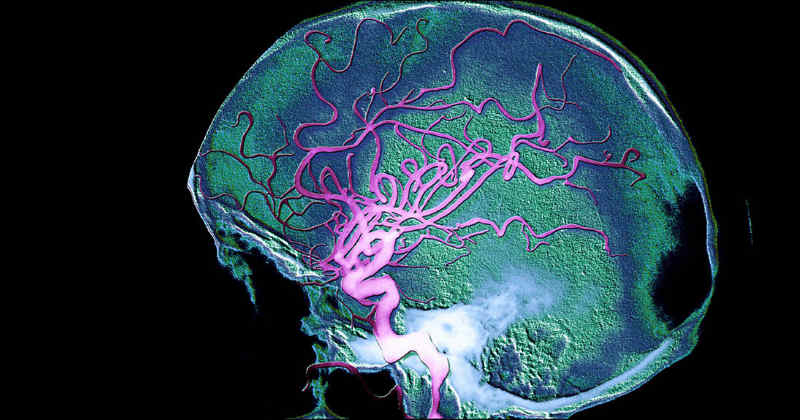
A recent study suggests that the cannabidiol (CBD) could enable more effective assimilation of certain medications by brain cells by helping them cross the blood-brain barrier (BBB). The latter's function is to protect the brain but consequently constitutes a complex challenge for treating certain neurological diseases by preventing the passage of therapeutic molecules.
The blood-brain barrier
To address the multiple challenges of modern medicine, scientists have developed nanotechnologies aimed at better targeting diseased parts of the body. In other words, this involves directing the active ingredients of drugs to the biological site of action to increase treatment efficacy and reduce toxicity to the rest of the body.
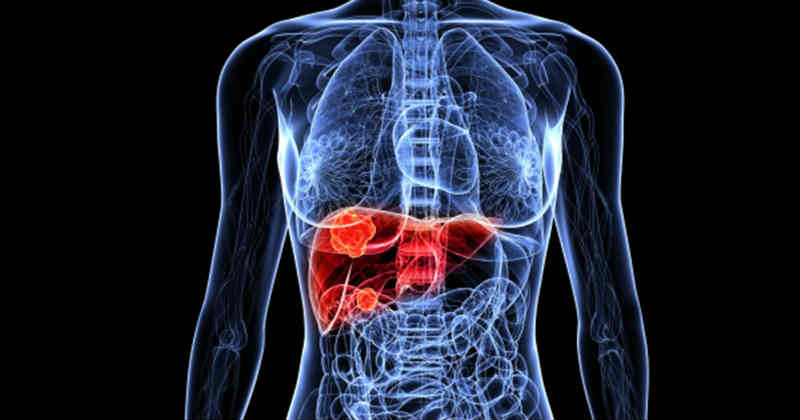
This operation proves particularly complex when it comes to targeting the central nervous system. This is due to the blood-brain barrier. It is a tight network of blood vessels that filters molecules present in the blood, allowing only those essential for nourishing the brain to pass through. It constitutes a physical barrier between the bloodstream and the central nervous system.
A certain number of therapeutic molecules cannot cross it due to their very composition. Their action is therefore only indirect, their efficacy is reduced, and the risk of toxicity to the rest of the body is increased. Their high concentration in the blood can result in serious side effects. The development of techniques to infiltrate this barrier is recent and proves to be particularly important for the treatment of certain neurological diseases such as multiple sclerosis.
Nanotechnologies that enable the transport of therapeutic active ingredients across the blood-brain barrier are currently in the clinical trial phase. This is the case, for example, with G-Technology.
Lipid nanoparticles
Nanocapsules involve binding the active ingredients of drugs with substances already present in the body to use them as carriers. This allows for better biocompatibility, easier passage through the body's natural defenses against foreign bodies, as well as better biodegradability.
However, the brain is fueled by lipids, which, for example, make up the membranes of some of its cells. About 55% of its dry weight consists of fats. By binding active ingredients to lipids naturally present in the body, it appears possible to target the central nervous system and more easily cross the blood-brain barrier. Lipid nanocapsules are used, for example, in cancer treatment to limit the harmful effects of chemotherapy on healthy cells in the rest of the body.
The study
Published in Molecular Pharmaceutics, The study brings together researchers from Madrid and British universities who have developed «decorated» nano-capsules with CBD. The objective was to compare their effectiveness with lipid nano-capsules without CBD. They conducted their research both in vitro in a laboratory model of the blood-brain barrier and in vivo on mice.
It turned out that CBD maximized the ability of molecules to cross the BBB: they would be 2.5 times more effective than nano-capsules without CBD and six times more effective than G-Technology. Researchers believe this is due to endocannabinoid system, the brain being accustomed to filtering endogenous cannabinoids. It is then possible that cannabinoids from the plant can pass through more easily. They also specify that other studies will be necessary but that these results are promising.








Medical Cannabis: 14 Organizations Finally Call for Enforcement of the Law

One year after the launch of the Dutch cannabis experiment, the first trends are emerging

High Ground: The Crash of a Plane Full of Marijuana That Made History in Yosemite

The United Kingdom Is Moving Closer to a Regulated CBD Market

Mexico's Supreme Court Authorizes Cannabis-Infused Edibles for Personal Use

French medical cannabis remains stalled at the Ministry of Health

Things are heating up between Sherbinski and Doja

Cookies Ordered to Pay $61.5 Million in a Dispute with Its Investors

Frenchfarm is launching its B1G1 clearance sale + free gift

Czech Republic: CBD shops selling synthetic cannabinoids are in the police's crosshairs
-
 Cannabis and driving6 days ago
Cannabis and CBD: French Drivers Can Now Lose Their License Even Without a Positive Test Result
-
Cannabis in France1 week ago
Cannabis Legalization: The LFI Bill Has a Major Problem—THC
-
Cannabis in Europe2 weeks ago
Andorra Paves the Way for Medical Cannabis Cultivation
-

 Cannabis in the Netherlands18 hours ago
One year after the launch of the Dutch cannabis experiment, the first trends are emerging
-
Cannabis in France2 weeks ago
Drought: Could Hemp Become the New Hope for French Farmers?
-
Business21 hours ago
The United Kingdom Is Moving Closer to a Regulated CBD Market
-
Cannabis in France2 days ago
French medical cannabis remains stalled at the Ministry of Health
-
Cannabinoids2 weeks ago
What if CBD enhanced the effects of THC? A comprehensive analysis challenges a common misconception











You must be logged in to post a comment Login