California: how did the first month of legal cannabis go?

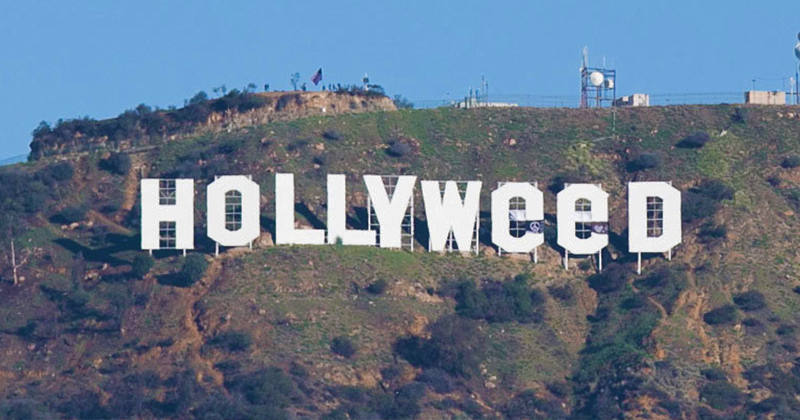
The California legalized cannabis a little over a month ago. The US state has still not sunk into the underworld, and the industry is rather surprised at how well the regulation is going, even if there are still many areas for improvement.
«Boy, that escalated quickly»
While the first few days were marked by a certain amount of excitement at seeing a new market open up, and numerous queues outside dispensaries, things have since calmed down. Cannabusinesses that managed to get their license before the legal market opened are doing their utmost to comply with the new rules, while others struggle to reach the Grail.
«Overall, we're pleasantly surprised, and everything's going relatively smoothly,» confirms Alex Traverso, communications manager for California's Bureau of Cannabis Control (BCC).
Around 2,000 licenses had been distributed by the end of January, to distribution and testing (800 licenses), cultivation (700) and processing (455) companies.
Compulsory license
However, many small players have been left out in the cold. The main stumbling block remains the allocation of local licenses, which are required in order to apply for a state license. Today, all licenses are temporary, and must be renewed 4 months after being awarded, with the possibility of being transformed into an annual license, this time for a fee.
Some industry operators try to continue working without a license. BCC teams regularly monitor establishments suspected of cheating, or those that fail to comply with the rules, for example by selling packaging that is not child-resistant. But no repressive action has yet been taken. Instead, BCC agents are trying to correct the situation and explain how to get on the right side of regulation.
Demand outstrips supply
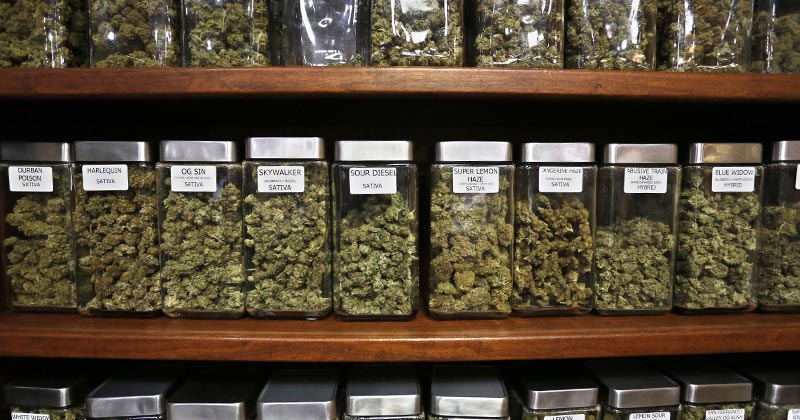
The legal dispensaries saw in the early days of regulation an increase in visits - up to 1,500 people a day at California's largest dispensary, Oakland's Harborside Health Center - and in the average shopping basket.
«We've noticed that for the most part, medical patients had stocked up before January 1 and haven't yet returned to the adult-use market. But we're seeing quite a few people who are «new consumers», who don't have much, if any, experience with cannabis,» explains Steve DeAngelo, owner of Harborside. He also notes that these new customers are buying smaller quantities of cannabis, and less sophisticated products, including dried flowers rather than concentrates.
The state has also seen shortages of’edibles, These cannabis-infused foods and dishes were in high demand, and not all edibles producers managed to obtain their licenses in time.
Another headache for dispensaries is the taxation of sales, which must be done on a case-by-case basis. The tax rate depends on whether the customer is a medical or recreational user, and on the product.
The fact remains that demand now outstrips supply, and product prices will continue to rise until the number of licenses issued balances out. A temporary situation that will mainly benefit dispensaries and the Californian state.















JIHE 2026: Japan’s Largest Trade Show Dedicated to Hemp and CBD Returns to Tokyo with More Than 100 Industry Players
New Caledonia: The Courts Clear the Way for the Return of CBD

The Brazilian medical cannabis market continues to grow

Morocco: Three Cannabis-Based Medications Approved for the Treatment of Epilepsy

Canopy Growth Receives New EU-GMP Certification to Strengthen Its Presence in Europe

Three years after legalizing medical cannabis, Albania continues to establish regulations for it

The first plant-based medical THC spray arrives in the United Kingdom

Medical Cannabis in Germany: THC Prices Vary by a Factor of 12

France already has 3,000 cannabis retail outlets. None of them are legal.

Morocco's exports of legal cannabis have expanded to 15 countries
-
 Business2 weeks ago
The legal cannabis market in New York exceeds 4 billion $ in revenue
-

 Cannabis in France4 weeks ago
Which countries legalized medical cannabis before France?
-
Business4 weeks ago
South Korea is preparing to begin local production of medical cannabis to meet rising demand
-
Cannabis in France4 days ago
France already has 3,000 cannabis retail outlets. None of them are legal.
-
Cannabis in Thailand4 weeks ago
From the boom in dispensaries to a purely medical approach: Thailand is revising its cannabis policy
-
Cannabis in the U.S.5 days ago
A DEA report confirms that there are no fatal cannabis overdoses
-
Cannabis and driving3 weeks ago
Medical Cannabis and Driving: New South Wales Ends Automatic Penalties for THC
-
Cannabis in France3 weeks ago
France’s Drug Policy Chief Defends Cannabis Prohibition... and Runs Into the Facts
















You must be logged in to post a comment Login