Statistics Canada surveys show cannabis use on the rise

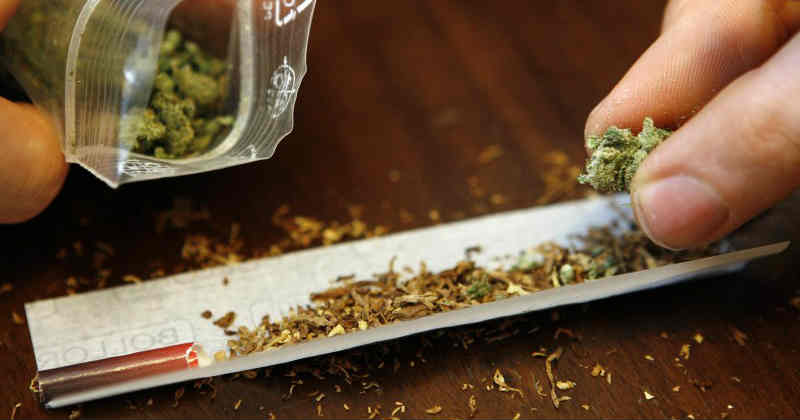
To measure the impact of the cannabis legalization Across the country, Statistics Canada is tasked with regularly surveying the population through the National Cannabis Survey (NCS). The goal of this study is to measure consumption and consumer behavior before and after legalization by compiling data on a quarterly basis. The statistics speak for themselves: consumption has increased, but by how much, and among which population?
New consumers?
The survey indicates that 5.3 million Canadians aged 15 and older reported having used cannabis in the past three months, representing 18% of the Canadian population. In the first quarter of 2018, this proportion was only 14%. This increase is particularly noticeable among men, with the usage rate rising from 16 % to 22 %, and among people aged 45 to 64 (from 9 % to 14 %). «Consumption levels remained stable among women (13 %) and unchanged among people in other age groups (such as those under 25 and older adults),» the survey notes.
In the first quarter of 2019, there were approximately 646,000 new cannabis users—that is, people who had never used cannabis before. That’s nearly twice as many as last year. However, these aren’t necessarily young people. Half of the new users are over 45 years old (compared to only one-third in 2018). Nevertheless, use remains more common among young people; it accounts for 30% of those aged 15–24, a proportion that has remained stable.
The survey reveals that the legal cannabis trade is still struggling to reach all consumers. In fact, only 47% of those surveyed said they obtained their cannabis exclusively from legal sources. Some people vary their sources, particularly daily users. The proportion of daily users has not increased. However, occasional and weekly use (from 2% to 4%) has risen.
By province
Quebec has one of the lowest rates of consumption. The province has some of the most restrictive laws, including regarding the legal age. She also chose to a government monopoly on distribution. Nevertheless, the consumption rate there has also risen slightly compared to the first quarter of 2018: it rose from 10.4% to 11% in the first quarter of 2019.
However, Ontario has seen the most notable increase: cannabis use now accounts for 20% of the population, compared to 14% in the first quarter of 2018. Yet the province is behind schedule in implementing legalization; it has just opened its first stores. By contrast, the top spot for cannabis use goes to the province of Alberta, where 21.5% of the population uses cannabis.
«Ongoing monitoring will be required to determine whether there are changes (or stability) in consumption patterns during the period immediately following the implementation of the Cannabis Act »are temporary (and linked to a desire to try a substance that was once illegal) or the beginning of longer-term trends," the survey states.













«Vincy Gold»: Humboldt Seed Company on the Hunt for Saint Vincent Sativas

Cronos Completes the Acquisition of CanAdelaar for 57.5 million euros

Cannabis with a "bloody" twist: Discover Sensi True Blood and Sensi Sangria, the two new strains from Sensi Seeds

Hemp: The Council of the EU Takes a Stand on New Production and Marketing Rules

Missouri's legal cannabis market accounts for 93 % of consumer spending

THC Gummies: How to Read a Certificate of Analysis Before Buying

British patients now have access to THCV-rich cannabis flowers

Spain: Medical Cannabis Is Coming to About 50 Hospitals

JIHE 2026: Japan’s Largest Trade Show Dedicated to Hemp and CBD Returns to Tokyo with More Than 100 Industry Players

New Caledonia: The Courts Clear the Way for the Return of CBD
-
 Business3 weeks ago
The legal cannabis market in New York exceeds 4 billion $ in revenue
-

 Cannabis in France4 weeks ago
Which countries legalized medical cannabis before France?
-
Cannabis in France1 week ago
France already has 3,000 cannabis retail outlets. None of them are legal.
-
Business4 weeks ago
South Korea is preparing to begin local production of medical cannabis to meet rising demand
-
Cannabis in the U.S.1 week ago
A DEA report confirms that there are no fatal cannabis overdoses
-
Cannabis in Thailand4 weeks ago
From the boom in dispensaries to a purely medical approach: Thailand is revising its cannabis policy
-
Cannabis and driving4 weeks ago
Medical Cannabis and Driving: New South Wales Ends Automatic Penalties for THC
-
Cannabis in France3 weeks ago
France’s Drug Policy Chief Defends Cannabis Prohibition... and Runs Into the Facts

















You must be logged in to post a comment Login