
South Koreans who consume cannabis abroad risk criminal prosecution, government warns


Taking a firm stance against cannabis use, the South Korean government has issued a stern warning to its citizens traveling or living abroad: smoking cannabis, even in countries where it is legal, can result in severe criminal prosecution upon their return to Korea.
This directive is part of a broader effort by the Ministry of Justice to enforce national laws and reduce the consumption of illegal drugs among Korean nationals.
Legal Consequences of Cannabis Use Abroad
Last Monday, the Department of Justice emphasized that smoking cannabis is considered a serious offense under Korean law. Korean citizens who use cannabis abroad, even in regions where it has been legalized, face up to five years in prison upon their return to South Korea.
The ministry stated in its announcement: «There have been cases where Korean citizens mistakenly believed it was acceptable to smoke marijuana in countries where it has been legalized. However, Korean citizens could face severe penalties under our national laws for using illegal drugs in those countries upon their return.».
As part of a proactive initiative, the Ministry of Justice has announced its intention to launch next month an awareness campaign the legal risks associated with cannabis use. The campaign will include new videos and widely distributed posters to promote the warning message.
In South Korea, the medical marijuana is legal under very strict conditions, following the approval of amendments to the Narcotics Control Act in November 2018. This historic decision made South Korea the first country in East Asia to partially legalize the use of medical cannabis, although under highly regulated circumstances with a very specific list of medical conditions. Prescriptions are issued only through’Epidiolex, Marinol, or Sativex after undergoing highly complex, case-by-case registration procedures through a government agency that facilitates patient access to rare drugs.
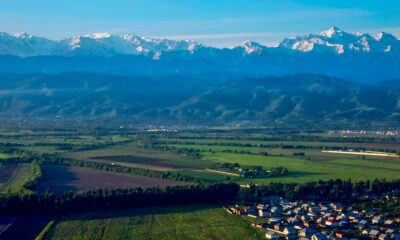
Andong, a province in the southern part of the country, has been designated as a special regulatory zone for industrial hemp in 2020. In this region, hemp can be grown for textile production, provided a license is obtained.
Global Trends in Cannabis Legalization
The South Korean government's warning comes at a time when a growing number of countries and territories around the world legalize or decriminalize the recreational use of cannabis. This global trend poses unique challenges for countries such as South Korea, which maintains strict drug laws.
Recently, the’Germany has become the third member state the EU to legalize recreational cannabis for personal use, after Malta and the Luxembourg. German authorities implemented this legalization in order to undermine the criminal trade in this drug and allow police to focus on more serious violent crimes.
In Thailand, the first Asian country to decriminalize cannabis In 2022, a trend is emerging today to reverse this policy. This change is driven by growing concerns about drug abuse and drug-related crime, but also possibly by pressure from neighboring countries.
The Legal Landscape Regarding Drug Use in Korea
The South Korea applies drug laws among the strictest in the world, with a zero-tolerance policy regarding the possession, use, and distribution of illicit substances.
The Narcotics Control Act establishes the legal framework governing these activities and provides for severe penalties in the event of a violation. The law classifies drugs into several categories, including narcotics, psychotropic substances, and cannabis, each with its own specific regulations and penalties.
Penalties for drug-related offenses in South Korea are severe and may include long prison terms, heavy fines, and, in some cases, the death penalty for the most serious offenses involving large-scale drug trafficking. The severity of the punishment depends on the nature and extent of the offense:
- Possession and Use: Individuals caught in the act of possessing or using illegal drugs are subject to imprisonment for up to 5 years, as well as substantial fines. Repeat offenders and individuals involved in the use of multiple substances may face even harsher penalties.
- Manufacturing and Distribution: The penalties for manufacturing or distributing drugs are much more severe. Those found guilty may be sentenced to a minimum of 5 years in prison, or even life in prison in the case of large-scale operations. In cases of international trafficking or large quantities of drugs, the death penalty may be imposed.
South Korean law enforcement agencies are thus very proactive in combating drug-related crimes. The country employs strict border controls, regular inspections, and undercover operations to identify and apprehend those involved in drug trafficking. The judicial system also plays a crucial role, with units specialized in prosecuting drug-related offenses.


















CBD is said to promote athletic recovery, without improving performance

294 cannabis clubs in Chile: a booming movement with uneven distribution

Chronic Sciatica: New York Approves First Clinical Trial of a THC-Based Medication

United States: The DEA is accelerating the integration of medical cannabis at the federal level

Florida is nearing one million patients using medical cannabis

Uruguay Revives Its Plan to Allow Tourists to Legally Access Cannabis

In Brazil, researchers are developing an innovative CBD eye drop

Autism: Medical Cannabis Is Linked to Reduced Anxiety

The $28 billion U.S. hemp market remains under threat

Jamaica Eases Small Farmers' Access to the Cannabis Market
-
 Business6 days ago
The legal cannabis market in New York exceeds 4 billion $ in revenue
-

 Cannabis in France2 weeks ago
Which countries legalized medical cannabis before France?
-
Business2 weeks ago
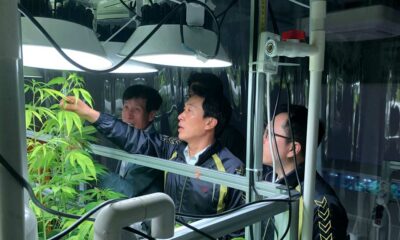
South Korea is preparing to begin local production of medical cannabis to meet rising demand
-
Cannabis in the Netherlands4 weeks ago
One year after the launch of the Dutch cannabis experiment, the first trends are emerging
-
Cannabis in Thailand2 weeks ago
From the boom in dispensaries to a purely medical approach: Thailand is revising its cannabis policy
-
Cannabis in France4 weeks ago
French medical cannabis remains stalled at the Ministry of Health
-
Cannabis in Argentina3 weeks ago
Argentina Opens Its Market to Hemp Flowers Containing 1% of THC
-
Cannabis and driving2 weeks ago
Medical Cannabis and Driving: New South Wales Ends Automatic Penalties for THC















You must be logged in to post a comment Login