Thailand's prime minister wants to re-list cannabis as a narcotic by the end of 2024

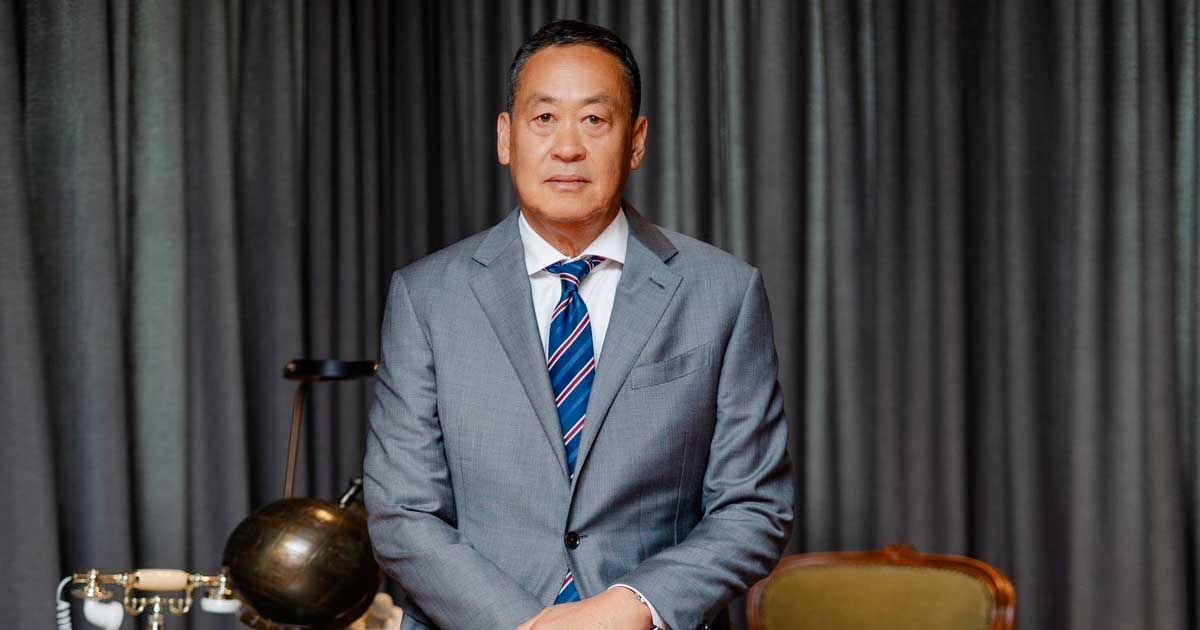
Thailand's position on the cannabis is capable of rapid change. Prime Minister Srettha Thavisin has announced his intention to re-list cannabis as a narcotic by the end of 2024. This spectacular reversal of policy, if implemented, would mark an abrupt break with the past. with the progressive measures taken previously in favor of cannabis regulation.
Thailand's changing cannabis landscape
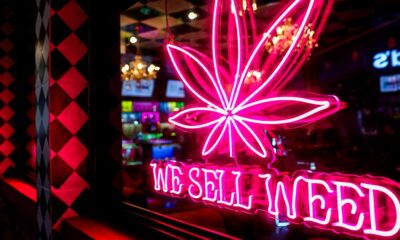
Just a few years ago, Thailand was celebrated for its pioneering approach to medical cannabis, then for the decriminalization of cannabis. However, this development quickly led to unintended consequences, including the public display of cannabis use, the proliferation of cannabis-related businesses and concerns about the lack of regulation.
Prime Minister Srettha Thavisin, elected in August 2023, has thus taken a firm stance on the reclassification of cannabis, calling on the Ministry of Health to speed up changes to the rules that restrict the’cannabis use for medical purposes. The directive underlines the government's intention to curb recreational cannabis use and the unregulated market that emerged after decriminalization.
Minister Anutin Charnvirakul, one of the main architects of the initial decriminalization, expressed his displeasure at this imminent political U-turn, while acknowledging his support for the government's decision.
Impact on the Thai economy and industry
The proposal to re-list cannabis as a narcotic is raising concerns about its economic impact. Reuters predicts that’thai cannabis industry could reach 1.2 billion euros by 2025, reflecting a booming market that has attracted entrepreneurs and tourists alike. However, a return to criminalization could stifle economic growth and disproportionately affect small businesses.
Prasitchai Nunual, from the Thai network Cannabis Future Network, reminds us of potential negative effects of recriminalization on the economy: «Many people have grown cannabis and opened cannabis stores. They will have to close their doors.
In the face of political uncertainty, advocates and entrepreneurs continue to oppose the government's backtracking on cannabis reform. Prasitchai Nunual warns that such a move could set a damaging precedent, especially if scientific evidence confirms the relative safety of cannabis compared to legal substances such as alcohol and cigarettes.
The rhetoric surrounding cannabis legalization in Thailand reflects broader debates on public health, economic considerations and regulatory effectiveness. Minister Anutin's insistence on evidence-based decision-making highlights the importance of evidence-based policy in managing complex issues such as drug regulation.




















«Vincy Gold»: Humboldt Seed Company on the Hunt for Saint Vincent Sativas

Cronos Completes the Acquisition of CanAdelaar for 57.5 million euros

Cannabis with a "bloody" twist: Discover Sensi True Blood and Sensi Sangria, the two new strains from Sensi Seeds

Hemp: The Council of the EU Takes a Stand on New Production and Marketing Rules

Missouri's legal cannabis market accounts for 93 % of consumer spending

THC Gummies: How to Read a Certificate of Analysis Before Buying

British patients now have access to THCV-rich cannabis flowers

Spain: Medical Cannabis Is Coming to About 50 Hospitals

JIHE 2026: Japan’s Largest Trade Show Dedicated to Hemp and CBD Returns to Tokyo with More Than 100 Industry Players

New Caledonia: The Courts Clear the Way for the Return of CBD
-
 Business3 weeks ago
The legal cannabis market in New York exceeds 4 billion $ in revenue
-

 Cannabis in France4 weeks ago
Which countries legalized medical cannabis before France?
-
Cannabis in France1 week ago
France already has 3,000 cannabis retail outlets. None of them are legal.
-
Business4 weeks ago
South Korea is preparing to begin local production of medical cannabis to meet rising demand
-
Cannabis in the U.S.1 week ago
A DEA report confirms that there are no fatal cannabis overdoses
-
Cannabis in Thailand4 weeks ago
From the boom in dispensaries to a purely medical approach: Thailand is revising its cannabis policy
-
Cannabis and driving4 weeks ago
Medical Cannabis and Driving: New South Wales Ends Automatic Penalties for THC
-
Cannabis in France3 weeks ago
France’s Drug Policy Chief Defends Cannabis Prohibition... and Runs Into the Facts
















You must be logged in to post a comment Login