Pakistan's first province launches hemp and medical cannabis business


The Pakistani federal government has approved the first provincial framework for the Regulations Governing Industrial Hemp and Medical Cannabis in the province of Khyber Pakhtunkhwa (KP), marking the start of a regulated and legally authorized supply chain in the country since legalization in 2024.
Federal Oversight and Local Ambitions
The new framework establishes the’Cannabis Control and Regulatory Authority (CCRA) as the primary regulatory agency. This federal agency will oversee licensing, compliance, and enforcement of regulations governing cannabis-related activities, including cultivation, extraction, production, and sale.
With a THC limit set at 0.3 %, the regulations aim to ensure public safety while supporting a thriving legal market for hemp-based products. According to the federal government, the goal is to create a «safe and legal hemp-based economy» that meets global standards.
KP: A Pioneer in Hemp
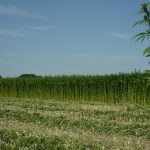
Nestled in northwestern Pakistan, the province of Khyber Pakhtunkhwa took the lead in the hemp cultivation and research. Ever since the Pakistan legalized industrial hemp in 2020, the province has launched several pilot projects and attracted public and private investment.
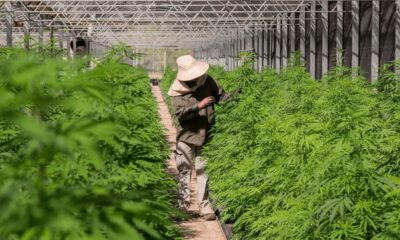
In 2022, the province began growing hemp on an experimental basis, and in 2023, it encouraged private companies to invest in processing facilities. The region’s natural topography, climate, and traditional agricultural expertise make it particularly well-suited for hemp cultivation. Today, local companies are already exporting hemp textiles and wellness products, thereby harnessing the province's potential as a global hub for hemp.
A detailed framework for licensing and taxation
The new hemp regulations adopted in the province of Khyber Pakhtunkhwa establish a comprehensive licensing system that covers:
- Cultivation and Nurseries
- Processing and Extraction
- CBD-Based Edibles and Medical Applications
- Research, Industrial Use, and Fiber Production
- Transportation, Wholesale, and Retail
Licenses are valid for five years, are non-transferable, and are subject to regular inspections. The framework also introduces a tax system a robust framework designed to generate revenue for the government, combat illicit trade, and promote the’innovation and research.
Violations of the law are subject to severe penalties, including fines ranging from 1 million to 200 million rupees (approximately 3,600 to 720,000 euros) and prison terms.
Toward a Sustainable Textile Economy
The initiative by the province of Khyber Pakhtunkhwa is part of a broader national effort to strengthen the’Pakistani textile industry by reducing its dependence on imported raw materials. Stakeholders believe that versatility and the low environmental impact Hemp can contribute to the creation of a national value chain that supports a sustainable production.
Extreme weather events have recently devastated Pakistan’s cotton industry, accelerating the search for alternatives. Hemp offers a viable solution because of its short growth cycle, of its natural antibacterial properties and its resistance to climatic stress. According to some industry experts, the market for hemp-based textiles and bioproducts could reach 1 billion euros per year.
Agriculture remains at the heart of the economy of Khyber Pakhtunkhwa Province, where most farmers grow crops such as wheat, corn, tobacco, and sugarcane on small plots using traditional methods. These rural communities often have limited access to modern agricultural equipment and face chronic water shortages. Climate change, underinvestment, and ongoing regional instability have only exacerbated the sector’s challenges.
In this context, hemp could offer a lifeline. With the right support, smallholder farmers could benefit from this crop’s adaptability and growing market demand. The government hopes that hemp will not only revitalize agriculture but also create new jobs and new export opportunities.




















October 2026 CBD Highlights: 10 Strains and Hash to Discover from 5 French Producers

CBD in France: Traceability, Retail Stores, THC and Driving… What the New Bill Proposes

Organigram Enters the Race for Aurora Cannabis

Medical Cannabis: Augur Associates’ latest report provides an update ahead of the publication of the decrees

Golden Buds is relaunching its Nova High vape pens with a cannabinoid formula that’s out of the ordinary

Cannabis is now Canada's fifth-largest commercial crop

Bedrocan Finally Declared Bankrupt

After CBD, Can Wellness Exist Without Cannabinoids?

Uganda Launches a Cooperative Dedicated to Medical Cannabis

Ukraine: First Cancer Patient Prescribed Medical Cannabis
-
 Business1 week ago
The legal cannabis market in New York exceeds 4 billion $ in revenue
-

 Cannabis in France3 weeks ago
Which countries legalized medical cannabis before France?
-
Business3 weeks ago
South Korea is preparing to begin local production of medical cannabis to meet rising demand
-
Cannabis in the Netherlands4 weeks ago
One year after the launch of the Dutch cannabis experiment, the first trends are emerging
-
Cannabis in Thailand3 weeks ago
From the boom in dispensaries to a purely medical approach: Thailand is revising its cannabis policy
-
Cannabis and driving3 weeks ago
Medical Cannabis and Driving: New South Wales Ends Automatic Penalties for THC
-
Cannabis in Argentina4 weeks ago
Argentina Opens Its Market to Hemp Flowers Containing 1% of THC
-
Autism3 weeks ago
Autism and Cannabis: Results from the First Placebo-Controlled Trial of NTI164












You must be logged in to post a comment Login