South African Supreme Court rules Cannabis Clubs illegal

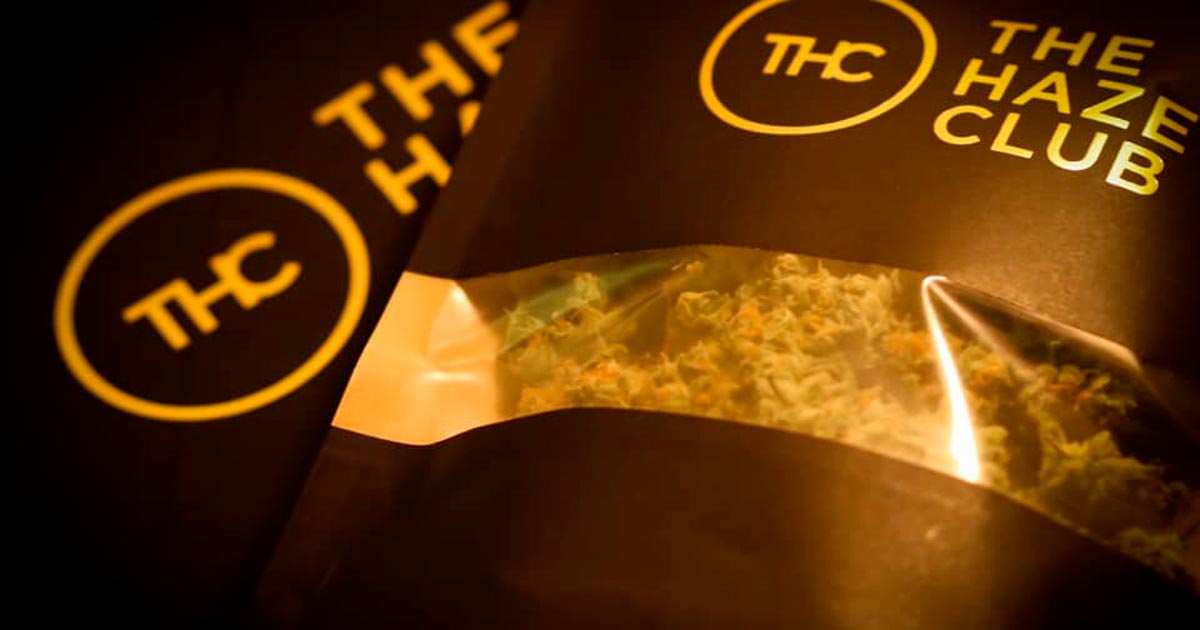
The South African Supreme Court agreed that there is no significant difference between a dealer and a cannabis club. The High Court stated that it is not up to the courts to decide on the legality of cultivation clubs, which are created to circumvent the Drugs Act, which regulates drug use in South Africa.
The Haze Club Case Dismissed by the High Court of South Africa
Based on the right to self-determination, Cannabis Social Clubs began popping up all over the place after the Decriminalization of cannabis in South Africa. One of them, the The Haze Club (THC), was the target of a police raid and attempted to argue, through a lawsuit filed in the High Court, that the Cannabis Social Clubs are a solution for people who don't want to or can't grow their own.
The Cape High Court announced this week that it was rejecting the club’s request. The Haze Club could appeal, but Judge Slingers’ decision confirms that the legalization of the cannabis trade and cannabis itself are matters of public policy and fall within the jurisdiction of the legislature, not the judiciary.
The government argued that the club was not operating on private property and was therefore in violation of the law.
In her ruling, Judge Slingers stated that allowing a growers« club to operate in the absence of statutory or regulatory requirements and guidelines »could have the practical effect of legalizing the sale of cannabis.”.
«The legislature may consider enacting legislation on this matter in the future, but that does not mean the courts should anticipate it. The legalization of the cannabis trade raises policy issues and falls within the jurisdiction of the legislature, not the judiciary.»
She stated that the plaintiffs and their clients are not prohibited from using or growing cannabis; they are simply prohibited from outsourcing that right.
Operating a drug club is therefore still considered a criminal offense under South Africa’s Drug Trafficking Act, and a conviction can result in a prison sentence.
The grow club was based on a business model in which a person or entity leases land, equipment, and gardening services; grows plant material, including cannabis, on behalf of its customers; and neither owns nor supplies its customers with cannabis, cannabis plants, or feminized cannabis seeds.
Shaad Vayej, attorney for the Haze Club, has declared that an appeal is likely: «Unfortunately, the Haze Club’s application was dismissed by the Cape High Court. This represents a narrow interpretation of the right to privacy—which encompasses private space—and of restrictions on the private cultivation of cannabis, as envisaged by the Constitutional Court in the Prince 3 case.»
«However, this isn't the end of the road, as an appeal may follow.»

























Kentucky now has 26 medical cannabis dispensaries

«Vincy Gold»: Humboldt Seed Company on the Hunt for Saint Vincent Sativas

Cronos Completes the Acquisition of CanAdelaar for 57.5 million euros

Cannabis with a "bloody" twist: Discover Sensi True Blood and Sensi Sangria, the two new strains from Sensi Seeds

Hemp: The Council of the EU Takes a Stand on New Production and Marketing Rules

Missouri's legal cannabis market accounts for 93 % of consumer spending

THC Gummies: How to Read a Certificate of Analysis Before Buying

British patients now have access to THCV-rich cannabis flowers

Spain: Medical Cannabis Is Coming to About 50 Hospitals

JIHE 2026: Japan’s Largest Trade Show Dedicated to Hemp and CBD Returns to Tokyo with More Than 100 Industry Players
-
 Business3 weeks ago
The legal cannabis market in New York exceeds 4 billion $ in revenue
-
Cannabis in France2 weeks ago
France already has 3,000 cannabis retail outlets. None of them are legal.
-
Cannabis in the U.S.2 weeks ago
A DEA report confirms that there are no fatal cannabis overdoses
-
Cannabis in France4 weeks ago
France’s Drug Policy Chief Defends Cannabis Prohibition... and Runs Into the Facts
-
Studies on cannabis2 weeks ago
Cannabis Oil and Endometriosis: A Promising Study for Pain Relief
-
Business2 weeks ago
Tilray is accelerating its operations in Europe thanks to a license in Portugal
-
CBD3 weeks ago
In Brazil, researchers are developing an innovative CBD eye drop
-
Cannabis in France2 weeks ago
CBD in France: Traceability, Retail Stores, THC and Driving… What the New Bill Proposes

















You must be logged in to post a comment Login