
Regulating CBD in the U.S. could take years, says FDA director

American legalization of hemp gave rise to hopes of federal regulation of the CBD. Food and Drug Administration had announced to tackle the task, but it seems to be more complicated than it sounds. Indeed, the regulation of CBD would require Congressional action to allow its addition to food products, according to the director of the federal agency, who has decided to resign. This could delay CBD regulation by several years.
The complex status of CBD
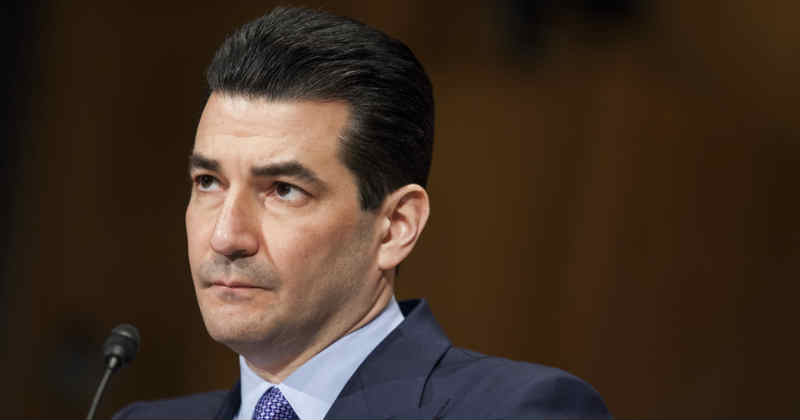
It was at a Brookings Institution that FDA Director Scott Gottlieb spoke out on the subject. He did not question the regulation of CBD, but explained that legal constraints prevented its addition to food, and that the agency's prerogatives on this point were limited. Since CBD is the active ingredient in Epidiolex, a drug approved by the agency, As such, it cannot be added to food preparations. The only case in which it can be added is if it has been previously consumed in food.
The agency's director acknowledges that legislators« intention in the Farm Bill was to allow the trade of hemp-derived CBD. However, he maintains that »the current state of the law allows the FDA to authorize the addition of a drug not previously used in food only if it has gone through a legislative process". He cites similar cases such as growth hormones or fish oil, and points out that this takes an average of two to three years. Nevertheless, CBD's complex status, its association with cannabis and the problem of its source, could make the process even longer.
«We've never done this before», explains Scott Gottlieb, «it would be an entirely new legislative process». At the same time, he announced that the FDA remains committed to the process, and will set up a working committee later this week to examine possible legal avenues to submit to legislators. It is also expected to recommend concentration levels by assessing risks and potential therapeutic effects. The commission will hold public hearings and is expected to issue recommendations later this summer.
Despite the lack of regulation, CBD-flavored edibles are booming in the U.S. and become a major consumer trend. Some states (New York, Maine) are cracking down on shops selling them, on the pretext that federal regulations are not yet in place. The situation has led some members of parliament and manufacturers to to protest against the lack of regulation. «The FDA shouldn't waste its resources trying to get CBD toothpaste back in the tube, nor should it leave it unregulated.» considers Jessica Wasserman of Greenspoon Marder which represents CBD companies. Maine MP Chellie Pingree agrees: «They should have left the generally recognized safe products alone. We can't leave them [growers] in the dark halfway through.».





CBD is said to promote athletic recovery, without improving performance

294 cannabis clubs in Chile: a booming movement with uneven distribution

Chronic Sciatica: New York Approves First Clinical Trial of a THC-Based Medication

United States: The DEA is accelerating the integration of medical cannabis at the federal level

Florida is nearing one million patients using medical cannabis

Uruguay Revives Its Plan to Allow Tourists to Legally Access Cannabis

In Brazil, researchers are developing an innovative CBD eye drop

Autism: Medical Cannabis Is Linked to Reduced Anxiety

The $28 billion U.S. hemp market remains under threat

Jamaica Eases Small Farmers' Access to the Cannabis Market
-
 Business6 days ago
The legal cannabis market in New York exceeds 4 billion $ in revenue
-

 Cannabis in France2 weeks ago
Which countries legalized medical cannabis before France?
-
Business2 weeks ago
South Korea is preparing to begin local production of medical cannabis to meet rising demand
-
Cannabis in the Netherlands4 weeks ago
One year after the launch of the Dutch cannabis experiment, the first trends are emerging
-
Cannabis in Thailand2 weeks ago
From the boom in dispensaries to a purely medical approach: Thailand is revising its cannabis policy
-
Cannabis in France4 weeks ago
French medical cannabis remains stalled at the Ministry of Health
-
Cannabis in Argentina3 weeks ago
Argentina Opens Its Market to Hemp Flowers Containing 1% of THC
-
Cannabis and driving2 weeks ago
Medical Cannabis and Driving: New South Wales Ends Automatic Penalties for THC
















You must be logged in to post a comment Login