THC limit in European hemp could rise from 0.2% to 0.3%

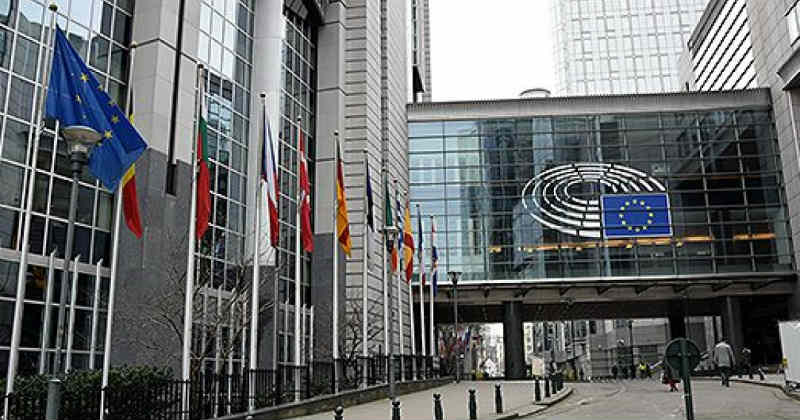
The hemp and the cannabis are one and the same plant (Cannabis Sativa). The two «species» are artificially separated by their THC concentration. This limit varies from state to state: it is set at 0.3% in the United States. where hemp was legalized at the beginning of the year as well as in Canada and China, to 1% in Switzerland for the cannabis light and 0.2% in the European Union via a harmonized standard. This limit could be raised to 0.3% as part of the reform of the Common Agricultural Policy. This new margin would enable the European industry to meet international standards and become more competitive.
https://twitter.com/EIHA16/status/1113024243984424960
Reform of the Common Agricultural Policy
This potential change is part of the overall CAP reform currently being discussed by European parliamentarians. CAP regulation 1307/2013 sets out the rules for the common market in hemp, including THC limits. This text has recently been revised by the Agriculture Committee, and some MEPs have tabled amendments proposing higher THC levels in the hemp plant. Four Italian MPs from the Five Star Movement, a populist party that is difficult to classify according to the canons of political science, proposed an increase to 0.3% THC. For his part, Irish MP Luke Ming Flanagan for the Confederal Group of the European United Left/Nordic Green Left proposed an increase to 0.5% and at least 0.3%.
The Irish MP gave the following reasons: «Low THC levels limit value in Europe and restrict the choice of varieties for European farmers. The limitation to 0.2% in the field puts the edible hemp industry in Europe at a comparative disadvantage to North American and Asian producers. In the European Union, the internationally recognized value of 0.3% was used until 1999. The limit was then lowered to 0.2%. Bringing it back to its previous level, or raising it to 0.5%, would enable significant improvements in the quality and quantity of plant products.
The Agriculture Commission has just passed a batch of texts which presumably includes these amendments. However, no official press release has yet been issued. It is therefore unclear whether these amendments have been definitively approved and, if so, which of these two amendments has been adopted and by extension which political forces are behind this change. A press conference on the vote is to be held by rapporteur Esther Herranz Garcia at 5pm today and can be followed online.
Today at 5pm: Following @EP_Agriculture vote on #FutureofCAP strategic plans rules, rapporteur Esther Herranz García (EPP, ES) will hold a press conference on #CAPreform. Follow it live here: https://t.co/fSXuliHcSE
- AGRI Committee Press (@EP_Agriculture) April 2, 2019
Be that as it may, CAP reform is a long-term project which will not be completed before 2020, and no immediate changes are envisaged. All the more so as the text has so far only been voted in Committee (27 vs 17 with one abstention) and must now be approved in plenary session. A press release specifies that this will only happen after the European elections. The Conference of Presidents (made up of the President of Parliament and the leaders of the parliamentary groups) will then decide whether to present the text to Parliament or to refer it to the new Agriculture Committee.
What this would mean for France
As European decisions are authoritative in the field of agriculture, France will be obliged to transpose any changes into its national laws. It will therefore have to modify the order of August 22, 1990 which specifies the legal limits for THC in hemp. Nevertheless, this may not change anything to the legal status of CBD in France. In effect, the government can continue not to regulate production and keep the ban on flowers in place. For the moment, France has its own interpretation of European law on hemp, and the question of its application is to be decided by the decision of the European Court of Justice on the Kanavape case.
However, this could have repercussions for the criminal justice system, we explain. Yann Bisiou,a lecturer in private law and criminal sciences and a specialist in drug law. Indeed, prosecutions against CBD and edible hemp stores are all based on the THC concentration of the products. Increasing the THC content of hemp could therefore be favorable to those being prosecuted in the current cases - the concept of retroactivity. in mitius. Nevertheless, he points out that there is an exception to this rule, which states that retroactivity does not apply in economic criminal law. The fate of merchants prosecuted could therefore remain unchanged.
In any case, the CAP reforms are scheduled for post-2020, and we'll have to wait until after the European elections and the decision of the Conference of Presidents for this package of texts to be approved (or not) at EU level. In which case, France will still have a relatively long time to transcribe it into national legislation and then implement it. Let's stick to Yann Bisiou's advice in his Twitter thread on the subject Let's not get carried away.


















New Caledonia: The Courts Clear the Way for the Return of CBD

The Brazilian medical cannabis market continues to grow

Morocco: Three Cannabis-Based Medications Approved for the Treatment of Epilepsy

Canopy Growth Receives New EU-GMP Certification to Strengthen Its Presence in Europe

Three years after legalizing medical cannabis, Albania continues to establish regulations for it

The first plant-based medical THC spray arrives in the United Kingdom

Medical Cannabis in Germany: THC Prices Vary by a Factor of 12

France already has 3,000 cannabis retail outlets. None of them are legal.

Morocco's exports of legal cannabis have expanded to 15 countries

Aurora Cannabis Doubles Its Production Capacity in Germany
-
 Business2 weeks ago
The legal cannabis market in New York exceeds 4 billion $ in revenue
-

 Cannabis in France4 weeks ago
Which countries legalized medical cannabis before France?
-
Business4 weeks ago
South Korea is preparing to begin local production of medical cannabis to meet rising demand
-
Cannabis in France4 days ago
France already has 3,000 cannabis retail outlets. None of them are legal.
-
Cannabis in Thailand4 weeks ago
From the boom in dispensaries to a purely medical approach: Thailand is revising its cannabis policy
-
Cannabis in the U.S.5 days ago
A DEA report confirms that there are no fatal cannabis overdoses
-
Cannabis and driving3 weeks ago
Medical Cannabis and Driving: New South Wales Ends Automatic Penalties for THC
-
Cannabis in France3 weeks ago
France’s Drug Policy Chief Defends Cannabis Prohibition... and Runs Into the Facts
















You must be logged in to post a comment Login