New Zealand grants first license to grow indigenous magic mushrooms

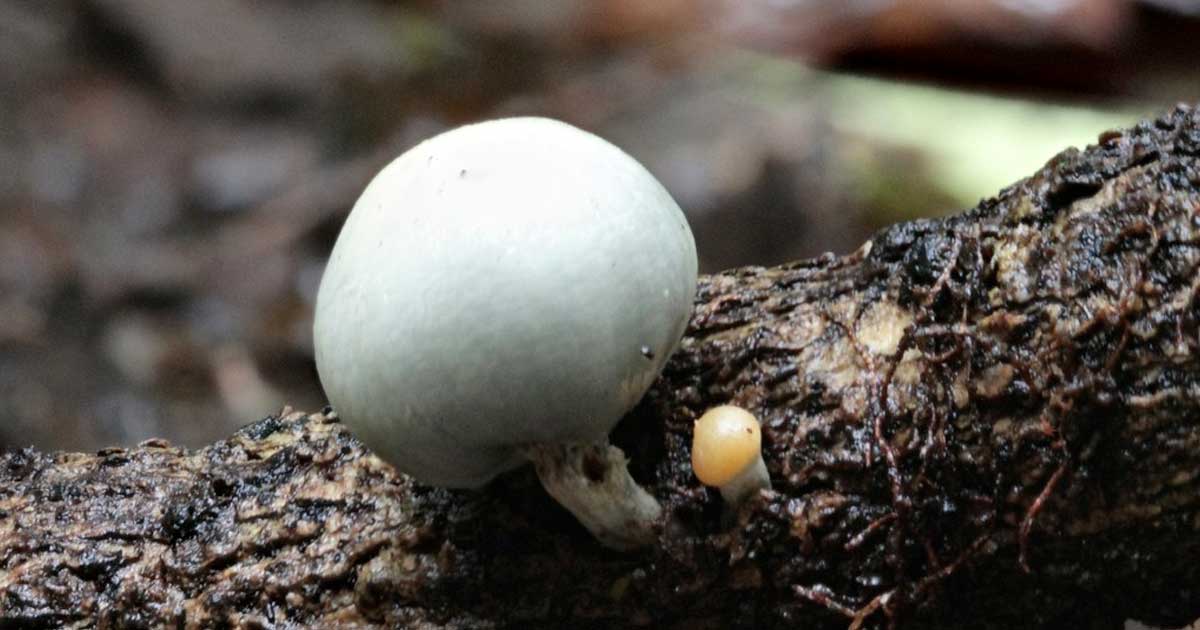
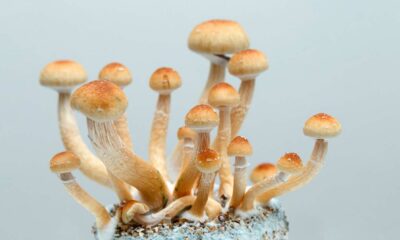
New Zealand's Ministry of Health has granted the first cultivation authorization for research on an indigenous magic mushroom, Psilocybe Weraroa.
This variety, which contains the psychoactive compound psilocybin, will be studied for its potential to help people struggling with methamphetamine addiction, a major problem in New Zealand. The license, granted last October, marks an important step in the integration of traditional knowledge, scientific research and medical innovation around psychedelics.
Mushroom therapy and clinical trials
The license has been granted to Rua Bioscience, a biopharmaceutical company based in Tairāwhiti, which will conduct the clinical research project around the addiction and the potential of psilocybin Rangiwaho Marae. The research is supported by various entities, including the’Environmental Science and Research (ESR), the Universities of Auckland and Waikato, and Manaaki Whenua Earth Care Research.
According to the NZ Herald, Jody Toroa, a member of the Rangiwaho Marae board of directors, welcomed this opportunity for his community. taonga [editor's note: treasure in Maori] are provided by the atua [editor's note: Polynesian gods], and our people have been using them for healing and well-being for centuries».
The license currently authorizes research on cultivation, with clinical trials to be approved at a later date. The first phase of trials is designed to assess psilocybin's safety profile by testing healthy adults. The scientific community generally considers psilocybin to be less harmful than many other illegal drugs, and its potential therapeutic benefits have been explored in various clinical trials around the world.
To ensure rigorous scientific standards, ESR's analytical services will be used to determine psilocybin levels in Psilocybe Weraroa mushrooms. This test is crucial for maintaining dosage consistency and accuracy during clinical trials.
The NZ Herald article mentions that psychedelic substances such as psilocybin and LSD is believed to increase neuronal plasticity, This could help to break down thinking patterns associated with illnesses such as depression. The University of Auckland is currently in the second phase of clinical trials involving the microdosing of LSD for the treatment of depression.
The renewed interest in psychedelics for therapeutic purposes is not unique to New Zealand. Other countries such as Australia, were the first to authorize the prescription of substances such as MDMA and psilocybin for specific mental disorders. Although the New Zealand government has yet to show explicit support for such treatments, the Health Research Council has independently funded projects exploring the therapeutic potential of psychedelic substances.




















JIHE 2026: Japan’s Largest Trade Show Dedicated to Hemp and CBD Returns to Tokyo with More Than 100 Industry Players
New Caledonia: The Courts Clear the Way for the Return of CBD

The Brazilian medical cannabis market continues to grow

Morocco: Three Cannabis-Based Medications Approved for the Treatment of Epilepsy

Canopy Growth Receives New EU-GMP Certification to Strengthen Its Presence in Europe

Three years after legalizing medical cannabis, Albania continues to establish regulations for it

The first plant-based medical THC spray arrives in the United Kingdom

Medical Cannabis in Germany: THC Prices Vary by a Factor of 12

France already has 3,000 cannabis retail outlets. None of them are legal.

Morocco's exports of legal cannabis have expanded to 15 countries
-
 Business2 weeks ago
The legal cannabis market in New York exceeds 4 billion $ in revenue
-

 Cannabis in France4 weeks ago
Which countries legalized medical cannabis before France?
-
Business4 weeks ago
South Korea is preparing to begin local production of medical cannabis to meet rising demand
-
Cannabis in France4 days ago
France already has 3,000 cannabis retail outlets. None of them are legal.
-
Cannabis in Thailand4 weeks ago
From the boom in dispensaries to a purely medical approach: Thailand is revising its cannabis policy
-
Cannabis in the U.S.5 days ago
A DEA report confirms that there are no fatal cannabis overdoses
-
Cannabis and driving3 weeks ago
Medical Cannabis and Driving: New South Wales Ends Automatic Penalties for THC
-
Cannabis in France3 weeks ago
France’s Drug Policy Chief Defends Cannabis Prohibition... and Runs Into the Facts
















You must be logged in to post a comment Login