New research explores the use of DMT as a stroke treatment

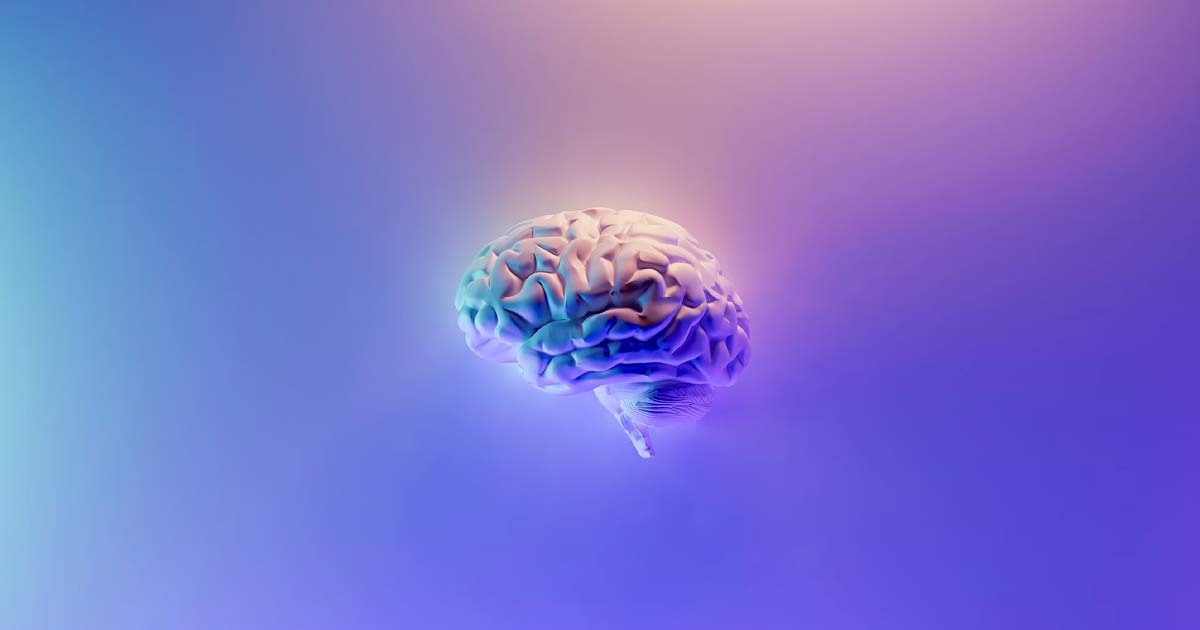
A Canadian-based pharmaceutical company has received approval to conduct a clinical study of DMT as a treatment for stroke. As part of this project, pharmaceutical development company Algernon Pharmaceuticals will study an intravenous formulation of DMT in the Netherlands, with the first participants receiving the drug in the fourth quarter of 2022.
Dr David Nutt, Professor of Neuropsychopharmacology at the’Imperial College London and consultant for Algernon, said the use of DMT is a new approach to treating stroke patients.
«Hundreds of drugs have failed in the field of stroke treatment, and almost all have focused on the same strategy: a delayed attempt at neuroprotection,» Nutt told Psychedelic Spotlight.
«Algernon's approach with DMT is to support the brain's natural recovery by enhancing neuroplasticity to facilitate the creation of new neural networks,» he added. «It's something completely different from what has been tried before».
Stroke is a brain injury usually caused by a blood clot or other blockage of blood vessels in the brain, resulting in a loss or reduction of blood flow that prevents oxygen and nutrients from reaching brain tissue.
Stroke can result in the death of brain cells due to a lack of oxygen. Stroke can also cause other damage, including neuroinflammation due to reperfusion, tissue damage to brain cells caused by the restoration of blood flow. At present, there is no highly effective conventional medical treatment for reperfusion damage in stroke patients.
DMT is a natural psychedelic
N,N-dimethyltryptamine, or DMT, is a hallucinogenic tryptamine similar to LSD or the psilocybin, The effects are generally short-lived, but very intense and vivid. Humans produce an endogenous form of the substance, and it is also found in several plant and animal species.
Previous research has shown that DMT may offer unique benefits in the treatment of stroke patients. The drug may have protective effects after reperfusion injury and help stimulate the growth of new cells. DMT has also been shown to improve neuroplasticity, i.e. the brain's ability to form and restructure synaptic connections in response to learning or experience, or after injury.
«In a stroke occlusion study in rats, rats administered DMT showed a reduction in stroke-damaged area and almost complete recovery of motor function compared to the control group,» said Christopher Moreau, CEO of Algernon. «In a preclinical research study at UC Davis, DMT increased neuroplasticity in a cortical neuron growth assay.»
Christopher Moreau believes that DMT represents a new way of promoting healing and recovery from ischemic stroke.
«For 85% of patients with ischemic stroke, which make up 85% of all strokes, there are no treatment options,» said Moreau.
«Hundreds of stroke drugs have failed in the clinic, but they focused on neuroprotective measures, whereas DMT represents a different approach to stroke treatment, aiding recovery after the lesion has occurred.»
Algernon's study will begin later this year to investigate the safety and tolerability of DMT in 60 subjects, including participants with and without experience of psychedelic drugs.
While other studies have shown DMT to be safe and well tolerated, the study is unique in that it involves prolonged infusions of non-psychedelic doses of the substance for longer durations than previously studied. Christopher Moreau explained that the fastest way to administer a drug and maximize its dose is a single injection over a short period of time, or a «long-term intravenous administration method, as it bypasses the stomach and liver».
«Algernon will deliver a sub-psychedelic dose to patients over multiple time periods,» he said. «This approach has never been used before in a Phase I trial.»
The first part of the study will use an escalating single-dose design to determine a safe and tolerable dose that will not produce psychedelic effects. The second part of the research will study the effects of repeated and prolonged administration at the determined dose. Algernon will use the data generated by the research to develop a Phase 2 clinical trial that will test DMT infusion on stroke patients in the acute and recovery phases.
Algernon received authorization to carry out this research from the Stichting Beoordeling Ethiek Biomedisch Onderzoek («BEBO»), an independent medical research ethics committee («MREC»). The trial will be conducted at the Human Drug Research Centre in Leiden, the Netherlands.
«I was attracted by the endogenous nature of DMT and its possible role in natural altered states of consciousness such as dreams and psychosis, as well as its role as a prototype for other commonly used psychedelic drugs,» said Algernon consultant Rick Strassman, psychiatrist and psychopharmacologist, author of the book DMT: The Spirit Molecule, in a press release of the company
«Our careful evaluation of psychedelic and non-psychedelic doses of DMT has established guidelines for studies using its neuroplastogenic effects in stroke, an application I would not have predicted at the time. These more recent discoveries of DMT's effects have opened up an extraordinarily promising set of potential therapeutic applications for Algernon to explore.»




















JIHE 2026: Japan’s Largest Trade Show Dedicated to Hemp and CBD Returns to Tokyo with More Than 100 Industry Players
New Caledonia: The Courts Clear the Way for the Return of CBD

The Brazilian medical cannabis market continues to grow

Morocco: Three Cannabis-Based Medications Approved for the Treatment of Epilepsy

Canopy Growth Receives New EU-GMP Certification to Strengthen Its Presence in Europe

Three years after legalizing medical cannabis, Albania continues to establish regulations for it

The first plant-based medical THC spray arrives in the United Kingdom

Medical Cannabis in Germany: THC Prices Vary by a Factor of 12

France already has 3,000 cannabis retail outlets. None of them are legal.

Morocco's exports of legal cannabis have expanded to 15 countries
-
 Business2 weeks ago
The legal cannabis market in New York exceeds 4 billion $ in revenue
-

 Cannabis in France4 weeks ago
Which countries legalized medical cannabis before France?
-
Business4 weeks ago
South Korea is preparing to begin local production of medical cannabis to meet rising demand
-
Cannabis in France4 days ago
France already has 3,000 cannabis retail outlets. None of them are legal.
-
Cannabis in Thailand4 weeks ago
From the boom in dispensaries to a purely medical approach: Thailand is revising its cannabis policy
-
Cannabis in the U.S.5 days ago
A DEA report confirms that there are no fatal cannabis overdoses
-
Cannabis and driving3 weeks ago
Medical Cannabis and Driving: New South Wales Ends Automatic Penalties for THC
-
Cannabis in France3 weeks ago
France’s Drug Policy Chief Defends Cannabis Prohibition... and Runs Into the Facts
















You must be logged in to post a comment Login