New York State doubles the number of dispensaries run by previously convicted offenders

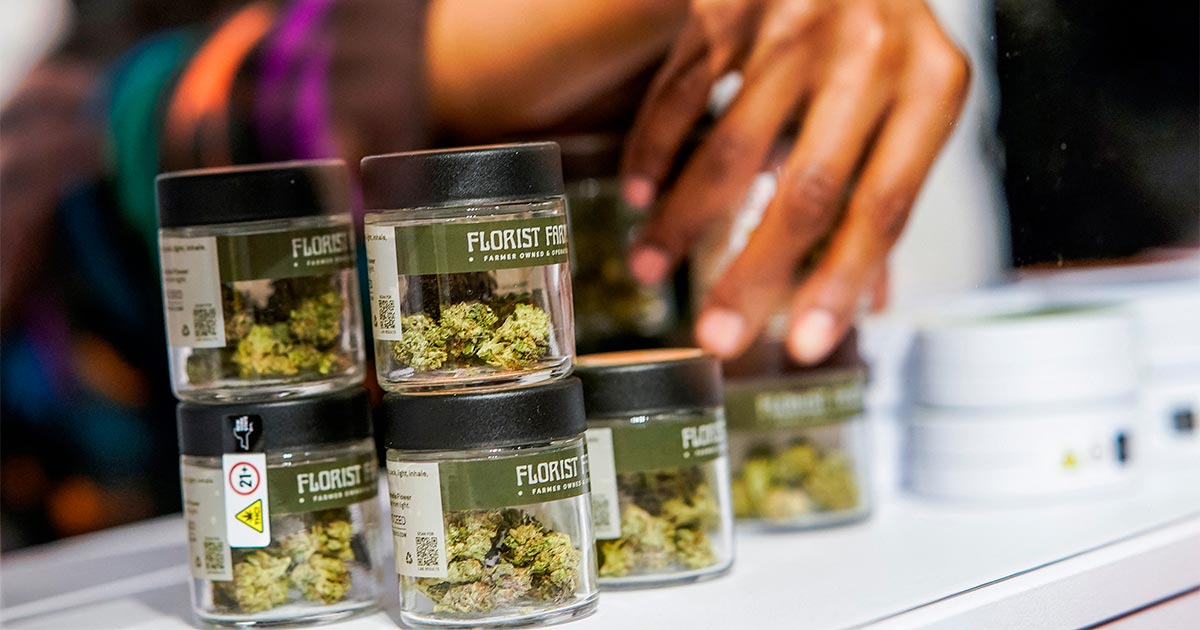
L‘Office of Cannabis Management’ (OCM), New York State’s cannabis regulatory agency, will double the number of licenses granted to dispensaries operated by individuals who have previously been convicted of cannabis use, raising the maximum number of such dispensaries to 300.
From 150 to 300 pretty quickly
OCM Executive Director Chris Alexander announced this expansion at a meeting of the Cannabis Control Board Thursday. One of the main reasons the agency decided to expand the program, Mr. Alexander said, is that a significant number of business owners who hold a license Conditional Adult-Use Retail Dispensary (CAURD), these preferentially granted licenses allowed them to inform the OCM that they could finance their clinics directly rather than through the government loan program.
«Given the large number of applicants, the ability of some of them to provide their own facilities, and our desire to expand the market as quickly as possible, we are pleased to announce that we are expanding the CAURD program to 300 licensees,» said Mr. Alexander, noting that they had received more than 900 qualified applications.
The The First 150 CAURD License Holders will be the first to benefit from the $200 million public-private investment fund that Governor Kathy Hochul announced last year «if they choose a location supported by the fund.« The remaining 150 CAURD licensees «will be able to access any remaining support from the Fund.».
Reuben McDaniel, a member of the Cannabis Control Board and CEO of the Dormitory Authority of New York, spoke in favor of expanding the number of CAURD licenses. McDaniel did not provide any information on the progress made in raising the remaining $150 million for the fund.
«It is important to understand that the fund’s resources are not unlimited, and as part of the expansion, the first 150 licensees will continue to have access to the fund if they so choose. Those who decline will free up resources that will be made available—though not guaranteed—to those in the expanded group of 150 applicants,» said Mr. Alexander.
Chaotic Rollout of the Legal Cannabis Distribution System
Although regulators launched the retail license program fairly quickly, its rollout has been difficult so far.
According to the initial rollout plan, at least 60 retail stores should be open by now. There are currently only four—three in downtown Manhattan and one in Binghamton—and only one of them is managed by a person who had previously been convicted of a cannabis-related offense.
The $200 million public-private social equity fund for cannabis failed to raise $150 million in private capital for the CAURD program; the remaining $50 million was provided by the government.
In addition, many applicants have complained about a complicated and glitchy online application process, which some fear may have mistakenly rejected qualified applicants.
The slow rollout of regulations has benefited unlicensed sales in brick-and-mortar stores or through food trucks converted to weed trucks.
The New York City Sheriff's Office estimates that there are more than 1,000 such businesses selling cannabis without a license.






















«Vincy Gold»: Humboldt Seed Company on the Hunt for Saint Vincent Sativas

Cronos Completes the Acquisition of CanAdelaar for 57.5 million euros

Cannabis with a "bloody" twist: Discover Sensi True Blood and Sensi Sangria, the two new strains from Sensi Seeds

Hemp: The Council of the EU Takes a Stand on New Production and Marketing Rules

Missouri's legal cannabis market accounts for 93 % of consumer spending

THC Gummies: How to Read a Certificate of Analysis Before Buying

British patients now have access to THCV-rich cannabis flowers

Spain: Medical Cannabis Is Coming to About 50 Hospitals

JIHE 2026: Japan’s Largest Trade Show Dedicated to Hemp and CBD Returns to Tokyo with More Than 100 Industry Players

New Caledonia: The Courts Clear the Way for the Return of CBD
-
 Business3 weeks ago
The legal cannabis market in New York exceeds 4 billion $ in revenue
-
Cannabis in France1 week ago
France already has 3,000 cannabis retail outlets. None of them are legal.
-
Cannabis in the U.S.1 week ago
A DEA report confirms that there are no fatal cannabis overdoses
-

 Cannabis and driving4 weeks ago
Medical Cannabis and Driving: New South Wales Ends Automatic Penalties for THC
-
Cannabis in France3 weeks ago
France’s Drug Policy Chief Defends Cannabis Prohibition... and Runs Into the Facts
-
Studies on cannabis2 weeks ago
Cannabis Oil and Endometriosis: A Promising Study for Pain Relief
-
CBD2 weeks ago
In Brazil, researchers are developing an innovative CBD eye drop
-
Autism4 weeks ago
Autism and Cannabis: Results from the First Placebo-Controlled Trial of NTI164

















You must be logged in to post a comment Login