The Netherlands tries to smooth the way for legal cannabis trials before full launch

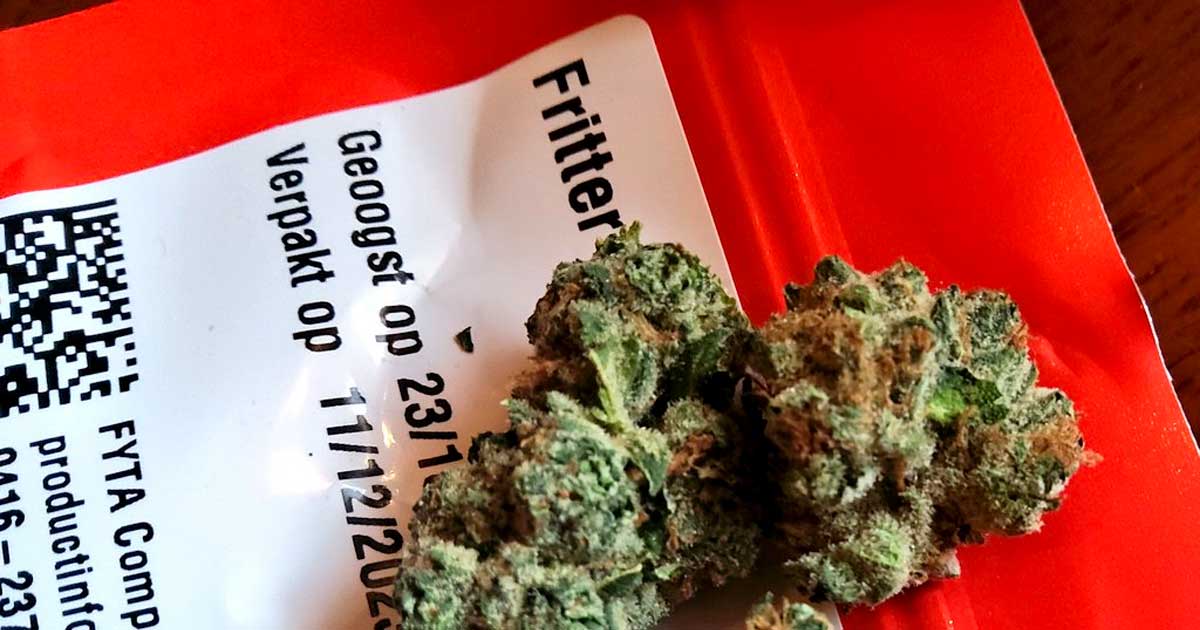
L’the dutch experience with legal cannabis brings cannabis regulation under federal control for the first time. The initiative, which is due to be launched in full later this year, aims to resolve the problems raised by the current situation, notably the fact that coffeeshops are forced to obtain their supplies on the black market, with all the inherent problems in terms of public health and the financing of criminal activities.
Overcoming initial obstacles
During the start-up phase of the experiment, which began last December, Some coffeeshops in Tilburg and Breda have begun selling legally produced cannabis. After a few months of operation, the Dutch authorities have encountered two main difficulties which will be resolved before the full-scale launch.
These included tracking and tracing problems and distribution constraints, as reported by MJBizDaily. A bottleneck was created by a restrictive rule limiting the stock of coffee shops 500 grams of legal cannabis products, leading to frequent shortages.
On this point, the Dutch authorities have amended the regulations to allow participating mayors to determine the limits of possession of cannabis for coffee shops. This adjustment is designed to directly eliminate operational inefficiencies and ensure a smooth transition to the next phase of the experiment.
Industry involvement and expectations
Companies like Leli Holland, owned by Pure Sunfarms, have been selected as growers to supply cannabis products to coffee shops. Their participation marks a turning point for the sector, as the coffeeshops taking part in the experiment are now partly supplied by regulated cannabis crops. Orville Bovenschen, Leli Holland's Managing Director, stresses the importance of consumer confidence in accessing safe, tested cannabis products, a benefit made possible by the experiment's framework.
The experiment is taking place in two key phases: the start-up phase, initiated in December, and the transition phase scheduled for June. These phases represent crucial learning opportunities, enabling the authorities to fine-tune operational processes and assess consumer reactions to the introduction of regulated cannabis products.
Industry best practices and global implications
L‘he Dutch experience with cannabis incorporates several industry best practices, including clear packaging, a limited number of cultivators and streamlined testing protocols. These measures make the Netherlands a potential model for other European countries striving to legalize cannabis.
Although this experiment marks an important step towards regulatory reform, some experts have reservations about its timing and scope. Joop Mestrom, a publishing company owner and cannabis advocate, is concerned about the limited scope of the experiment and its impact on home-growing rights, which are still not legal. He calls for broader discussions on legalization and stresses the need to address disparities between experimental cities and regions excluded from the initiative.




















JIHE 2026: Japan’s Largest Trade Show Dedicated to Hemp and CBD Returns to Tokyo with More Than 100 Industry Players
New Caledonia: The Courts Clear the Way for the Return of CBD

The Brazilian medical cannabis market continues to grow

Morocco: Three Cannabis-Based Medications Approved for the Treatment of Epilepsy

Canopy Growth Receives New EU-GMP Certification to Strengthen Its Presence in Europe

Three years after legalizing medical cannabis, Albania continues to establish regulations for it

The first plant-based medical THC spray arrives in the United Kingdom

Medical Cannabis in Germany: THC Prices Vary by a Factor of 12

France already has 3,000 cannabis retail outlets. None of them are legal.

Morocco's exports of legal cannabis have expanded to 15 countries
-
 Business2 weeks ago
The legal cannabis market in New York exceeds 4 billion $ in revenue
-

 Cannabis in France4 weeks ago
Which countries legalized medical cannabis before France?
-
Business4 weeks ago
South Korea is preparing to begin local production of medical cannabis to meet rising demand
-
Cannabis in France4 days ago
France already has 3,000 cannabis retail outlets. None of them are legal.
-
Cannabis in Thailand4 weeks ago
From the boom in dispensaries to a purely medical approach: Thailand is revising its cannabis policy
-
Cannabis in the U.S.5 days ago
A DEA report confirms that there are no fatal cannabis overdoses
-
Cannabis and driving3 weeks ago
Medical Cannabis and Driving: New South Wales Ends Automatic Penalties for THC
-
Cannabis in France3 weeks ago
France’s Drug Policy Chief Defends Cannabis Prohibition... and Runs Into the Facts
















You must be logged in to post a comment Login