Lebanon launches into medical cannabis: a billion euros to save its economy?

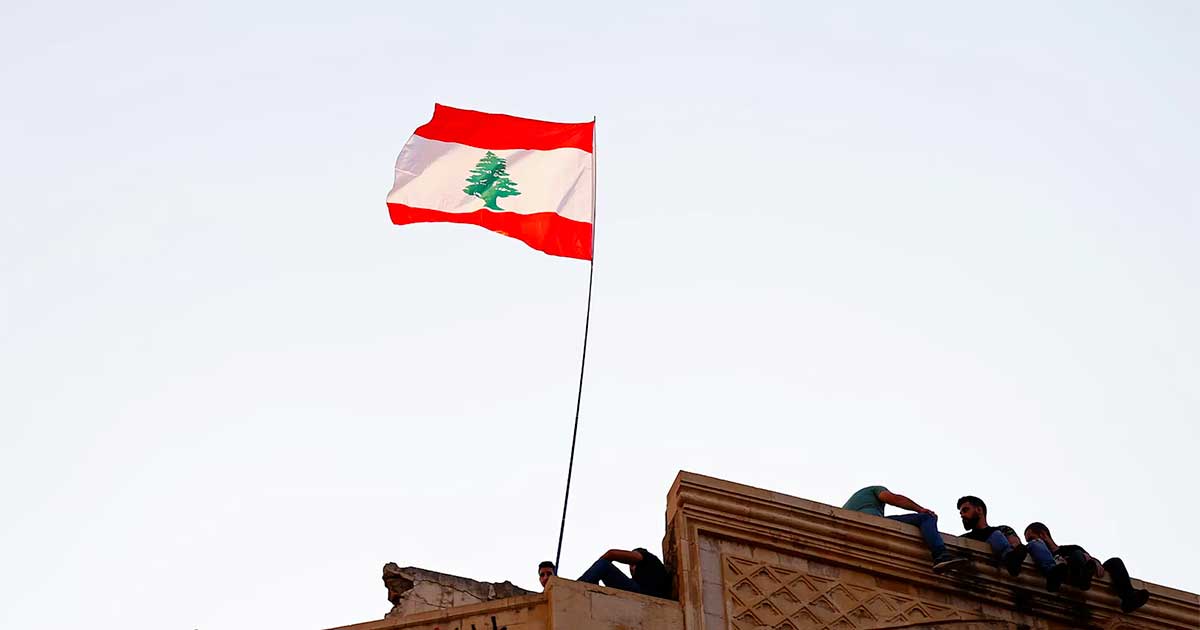
Lebanon has officially begun the implementation of its framework for the legalization of medical cannabis, a long-delayed project since its adoption by Parliament in 2020.
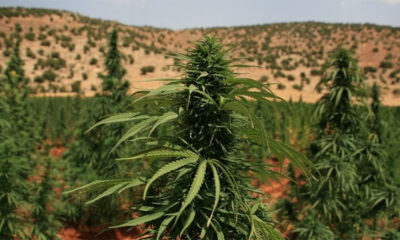
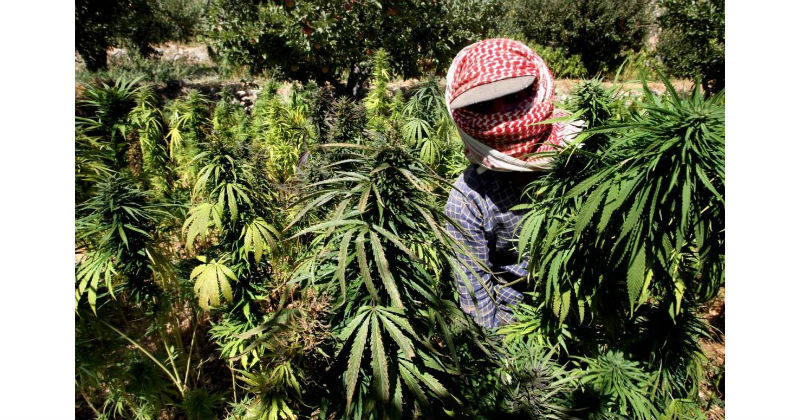
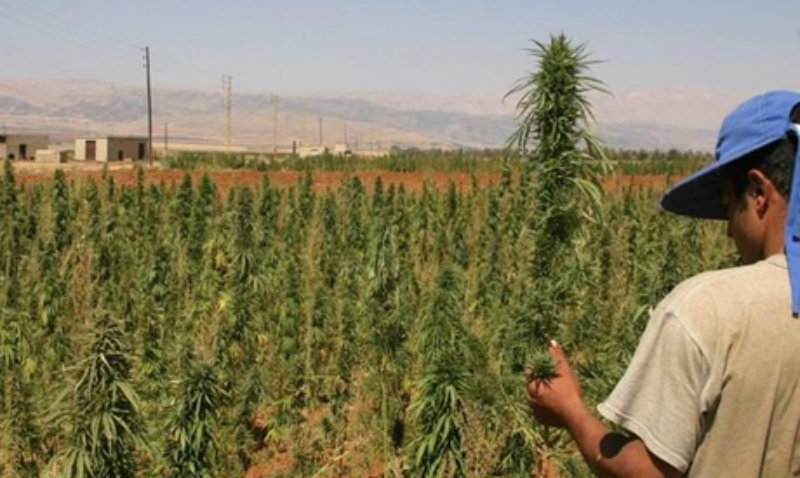
For decades, farmers in the Bekaa Valley and Hermel foothills have grown cannabis in secret, often exposing themselves to criminal prosecution. «The government's decision puts an end to decades of security prosecutions against farmers who grew the plant in secret,» Al Jazeera reported. In regions where state support and infrastructure are virtually non-existent, thousands of families depend on cannabis cultivation as their only stable source of income.
Despite periodic police raids and campaigns to destroy crops, cannabis has remained a pillar of the Bekaa's informal economy, often described by locals as «cheaper and more profitable than apples». The new legal framework aims to transform this clandestine activity into a legitimate, taxable sector.
From illicit fields to a regulated industry
To oversee the transition, the government created the Cannabis cultivation management committee, a regulatory body responsible for issuing licenses, supervising production and coordinating exports. Its mandate includes creating legal sales channels for farmers and ensuring compliance with pharmaceutical standards.
«Lebanon is at a turning point for its cannabis sector,» said Mohamed Mroueh, professor at the Lebanese-American University of Beirut. «With the establishment of the regulatory authority, this season offers the opportunity to integrate farmers into the legal framework and bridge the gap between traditional illicit cultivation and a fully legal, regulated and evidence-based medicinal cannabis industry.»
Committee Chairman, Dany Fadel, visited main growing areas to reassure producers of the State's intention to integrate them into the new legal economy rather than displace them. Speaking to Al Jazeera, He promised that the authority would «provide the means to sell their crops to pharmaceutical manufacturers in Lebanon and abroad at international market prices, instead of depending on drug traffickers».
This message was well received by local farmers, many of whom had long felt abandoned by the state. Legalization is seen as both a lifeline and an opportunity for redemption after years of criminalization.
Economic recovery and global ambitions
The Lebanese government hopes that this new medical cannabis program will help to reduce its serious budget deficit and attract foreign investment.
According to a McKinsey & Company, the legal cultivation and sale of cannabis could generate up to 1 billion euros per year for the Treasury, which represents a major injection for a country whose economy is crippled by debt, inflation and political instability. The economist Ali Tfaili told Al Jazeera that the introduction of this traditional crop on the legal market could reduce Lebanon's trade deficit and boost tax revenues through taxation and exports.
The plan is to supply local and international pharmaceutical industries, a market in which Lebanon hopes to position itself as a regional player.
The United Nations Office on Drugs and Crime (UNODC) previously classified Lebanon as the the world's third-largest producer of cannabis resin, after Morocco and’Afghanistan. The legalization and regulation of the sector could therefore allow the country to capitalize on its expertise while shifting from illicit to medicinal production, in line with the global trend towards more sustainable production. regulated cannabis economies.
A fragile but promising transition
While this initiative is widely regarded as a historic reform, challenges remain. The success of Lebanon's medical cannabis sector will depend on the state's ability to effectively provide licenses, infrastructure and fair prices to farmers who have long operated in the shadows, in the tradition of of what Morocco is doing.
Security concerns and regional instability could also affect the new framework's export ambitions.










Medical Cannabis in Germany: THC Prices Vary by a Factor of 12

France already has 3,000 cannabis retail outlets. None of them are legal.

Morocco's exports of legal cannabis have expanded to 15 countries

Aurora Cannabis Doubles Its Production Capacity in Germany

Tilray is accelerating its operations in Europe thanks to a license in Portugal

Boston will host the 10th annual State of the Cannabis Industry Conference on October 26

A DEA report confirms that there are no fatal cannabis overdoses

A British patient is challenging the NHS's refusal to reimburse medical cannabis

October 2026 CBD Highlights: 10 Strains and Hash to Discover from 5 French Producers

CBD in France: Traceability, Retail Stores, THC and Driving… What the New Bill Proposes
-
 Business2 weeks ago
The legal cannabis market in New York exceeds 4 billion $ in revenue
-

 Cannabis in France3 weeks ago
Which countries legalized medical cannabis before France?
-
Business3 weeks ago
South Korea is preparing to begin local production of medical cannabis to meet rising demand
-
Cannabis in Thailand3 weeks ago
From the boom in dispensaries to a purely medical approach: Thailand is revising its cannabis policy
-
Cannabis and driving3 weeks ago
Medical Cannabis and Driving: New South Wales Ends Automatic Penalties for THC
-
Cannabis in Argentina4 weeks ago
Argentina Opens Its Market to Hemp Flowers Containing 1% of THC
-
Autism3 weeks ago
Autism and Cannabis: Results from the First Placebo-Controlled Trial of NTI164
-
Cannabis in France2 weeks ago
France’s Drug Policy Chief Defends Cannabis Prohibition... and Runs Into the Facts

















You must be logged in to post a comment Login