
Lebanon has a unique relationship with cannabis: an agricultural industry rooted for generations in the Bekaa Valley, long illegal but de facto tolerated, which has since 2020 become the Middle East’s first legal cannabis industry. Caught between economic promise and bureaucratic delays, the country is attempting to transform what was historically a clandestine production sector into a regulated industry.
For Medical Use Only
Medical cannabis is legal in Lebanon, provided it contains less than 1% of THC
Last checked: September 23, 2026
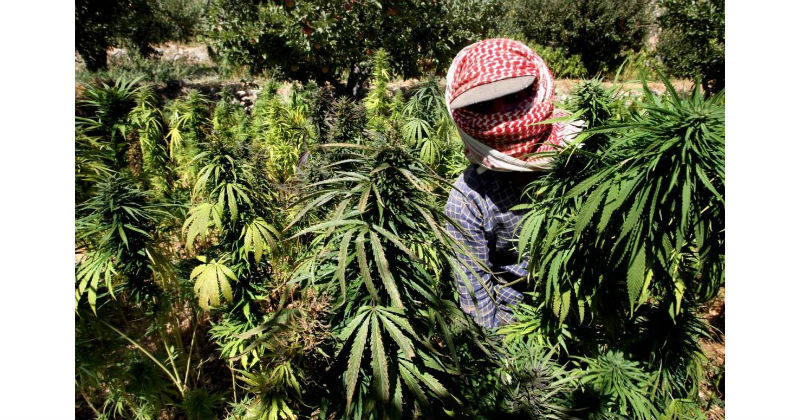
Where in the world is cannabis legal?For decades, farmers in the Bekaa Valley and the Hermel foothills have grown cannabis outside any legal framework. In these rural areas, where infrastructure and government support are virtually nonexistent, the plant has often been the only stable source of income for thousands of families, producing hashish that is highly regarded in regional markets despite its lack of legal status.
In April 2020, the Lebanese Parliament passed Law No. 178/2020—the first of its kind in the Middle East—specifically authorizing the cultivation, production, processing, and export of cannabis for medical and industrial purposes. The law requires that authorized products have a THC content of less than 1 % and does not alter the criminal provisions regarding recreational use, which remains strictly prohibited.
The law establishes two bodies responsible for issuing cultivation licenses, setting the conditions for obtaining permits, and ensuring the traceability of production, from seed to finished product.
The implementation of the legal framework took place over several years:
An economic forum on medical cannabis, held in Beirut in February 2026, brought together investors, farmers, and public institutions to assess the practical viability of the industry.
Stifled by colossal public debt and the collapse of its currency, Lebanon sees medical and industrial cannabis as a potential driver of economic recovery. Some estimates suggest a market that could generate up to $3 billion a year, in a country where total government revenue does not exceed $11 billion. The Minister of Agriculture has confirmed that full regulation of the sector could generate substantial revenue as early as 2026, as producers will now be able to sell their crops to local and international pharmaceutical manufacturers at prices aligned with the global market.
The transition from an informal economy to a regulated market remains fraught with obstacles: access to financing for small-scale producers, international competition (notably from Morocco, another regional pioneer that legalized medical cannabis cultivation in 2021), the country’s political and economic instability, and the need to convince a segment of the rural population to join a licensing system perceived as restrictive after decades of informality.
Find all the latest Newsweed coverage here on developments in Lebanon’s legal cannabis industry, its key players, and its economic challenges.


A Lebanese-Chinese partnership hopes to give new momentum to the medical cannabis sector, which remains dormant in the country. After announcing a partnership in the...


Lebanon has officially begun implementing its framework for the legalization of medical cannabis, a project long delayed since its adoption by the...
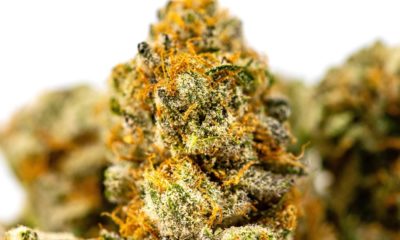

Despite a stop-and-go year due to the coronavirus pandemic, cannabis has seen significant developments around the world, opening...
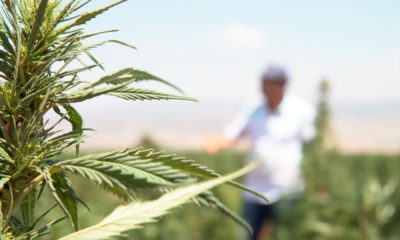

Lebanon's parliament passed a law on Tuesday to legalize the cultivation of cannabis with -1% THC, for medical and industrial uses, becoming...
The Lebanese parliament is preparing to vote on the legalization of cannabis for medical and industrial purposes, a decision which, according to Al Jazeera, is part of a...
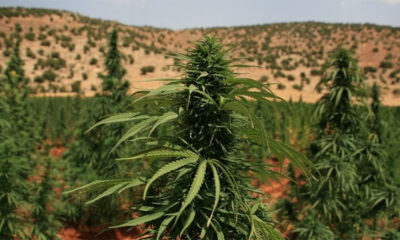

Lebanon's joint parliamentary committees on Wednesday approved a bill to regulate the cultivation of cannabis for medical and industrial purposes. The...
In an attempt to revive its economy, Lebanon has called on MacKinsey to draw up a recovery plan, one of whose proposals is to...
A Lebanese judge has issued a binding ruling asking prosecutors to stop prosecuting cases involving drug use. The...
The Lebanese American University (LAU) is to launch an independent research center dedicated to studying the health effects and potential economic gains of cannabis...
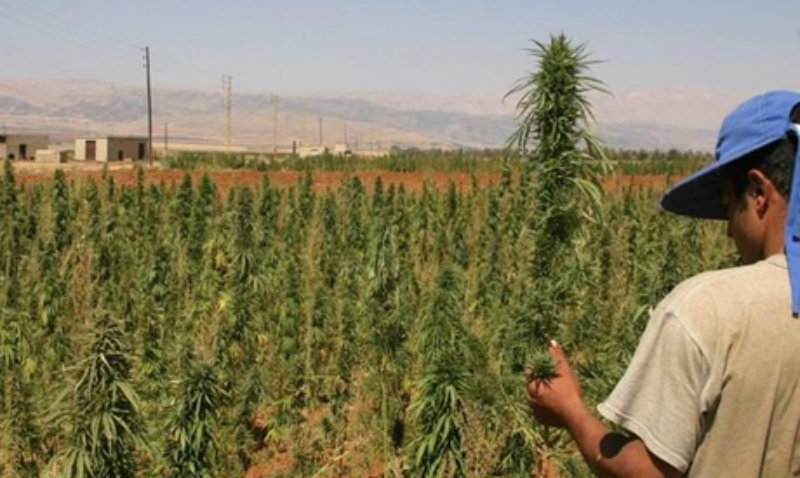
Lebanon is a country known for its openness to the Western world, its border with Syria, its mezzes, but also for its hashish production...




