
Cannabis in Lebanon: a trade for survival

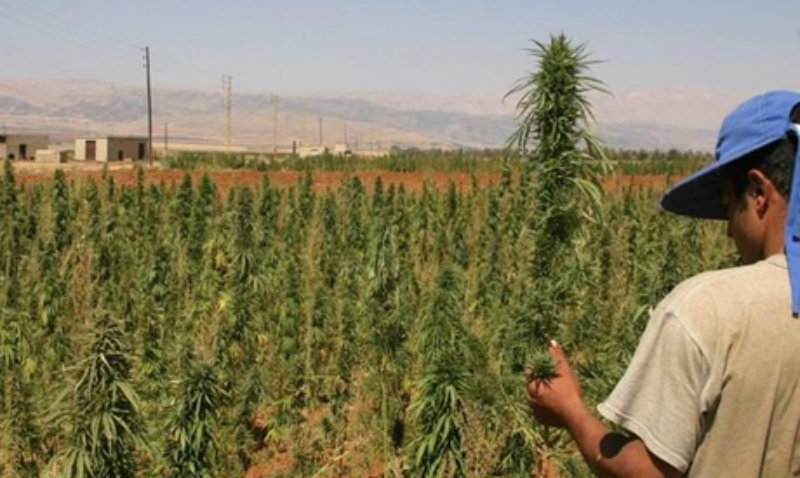
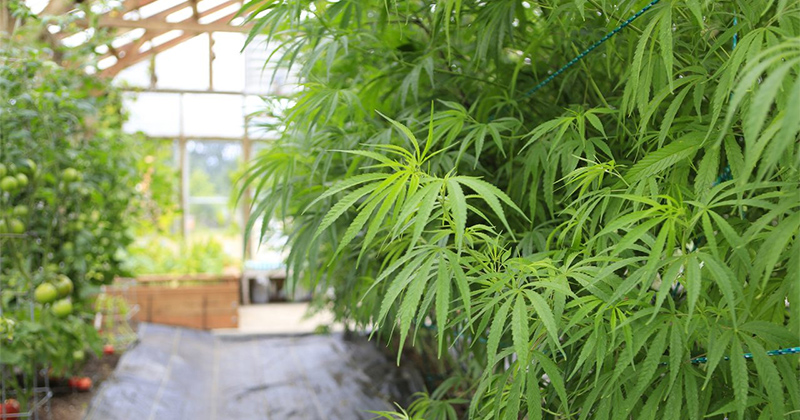
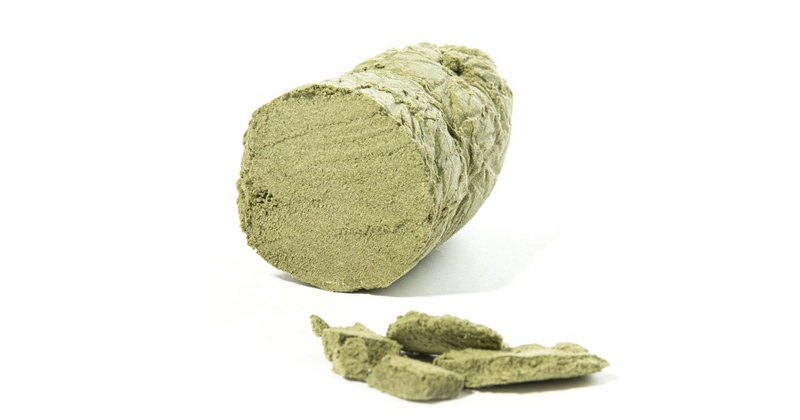
Lebanon is a country known for its openness to the Western world, its border with Syria, its mezze, and also for its production of hashish of high quality. In Lebanon, cannabis grows quickly and has proven to be a lucrative business for both small-scale growers and major drug traffickers.
Since the 1990s, several governments have attempted to eradicate domestic production. This has been a bitter failure, as annual production continues to rise. Cannabis is no longer a priority for the authorities. The immediate priority is to monitor the borders to keep the Syrian civil war at bay. This is a boon for producers, who are able to operate with relative freedom.
Most of the production takes place in the Bekaa Valley, not far from the Syrian border. This region of Lebanon had already been supplying the Ottoman elite with hashish before World War I, completely legally. Under the French Mandate, cannabis production was banned and cracked down on. Political instability in the country and the region facilitated the explosion of the illegal cannabis trade after World War II. The civil war, which broke out in 1975, then facilitated the emergence of paramilitary groups during 15 years. This war was followed by an occupation of the country by Syria under 1991 to 2005. A social peace agreement was reached between the Syrian military and drug traffickers. At that time, nearly 50% of the agricultural land in the Bekaa Valley was used for the production of opium and cannabis.
Hezbollah Takes Control of the Valley
The Hezbollah paramilitary group took control of the valley in the 1990s. In exchange for protecting Syrian interests, the organization received funds and resources to expand. This alliance between Bashar al-Assad’s Syrian regime and Hezbollah continues to this day.
Today, Hezbollah is trying to clean up its image. It has therefore left the cannabis market to rival families and gangs. In theory, the traffickers don’t fight much among themselves. However, crisis and violence erupt during poor harvests. The size of the fields is growing by the day, and a kilo of hash can now be bought for €400. Several families now control massive plantations and are challenging the ruling power.
The government, which is seeking to regain control of the region and eradicate the fields, is facing resistance from farmers and armed groups defending their sole source of income. They are being encouraged to grow other crops, but none seem as profitable as cannabis. Ali Nasri Shamas, a cannabis grower, is delighted by the Lebanese government’s setbacks: «If they want us to stop growing, they’re going to need a lot of ideas. They can’t destroy our plants, or we’ll starve—and they know it,» he tells the BBC. «If the government legalizes it on the same basis as tobacco, we’ll pay our license fees and taxes without any problem.».
Consistency in Thinking
Some people are calling for the legalization of cannabis. The Druze leader Walid Jumblatt is calling for a national movement to revive the country’s economy. Some business owners, such as Issa Faouzy, are encouraging farmers to start growing grapes in order to revive Lebanon’s wine industry and thereby enter the legal economy. This could revitalize economic activity in this region, which has become a refuge for Syrian refugees crammed into camps. The number of Syrian refugees in Lebanon is estimated at 1.5 million.
Lebanon accounts for 5 to 6% of global cannabis production. The famous hashish is shipped to a variety of destinations: the Gulf states, Israel, Syria, and Europe. The drug trade in Lebanon is estimated to be worth nearly 4.6 billion dollars.
Théo Caillart








China's Yongji Health Takes Control of Tasmanian Botanics

Autism and Cannabis: Results from the First Placebo-Controlled Trial of NTI164

Which countries legalized medical cannabis before France?

From the boom in dispensaries to a purely medical approach: Thailand is revising its cannabis policy

South Korea is preparing to begin local production of medical cannabis to meet rising demand

In the United States, cannabis use among high school students has reached an all-time low

Medical cannabis use surges by 64 % in Denmark

Canopy Growth Enters the U.K. Market with Four Canadian Strains

CBD: Full-Spectrum Extracts Under Threat in Greece

Medical Cannabis and Back Pain: Opioid Use Has Dropped by 90 % in 10 Years
-
 Cannabis and driving2 weeks ago
Cannabis and CBD: French Drivers Can Now Lose Their License Even Without a Positive Test Result
-
Cannabis in France3 weeks ago
Cannabis Legalization: The LFI Bill Has a Major Problem—THC
-

 Cannabis in France23 hours ago
Which countries legalized medical cannabis before France?
-
Cannabis in the Netherlands2 weeks ago
One year after the launch of the Dutch cannabis experiment, the first trends are emerging
-
Cannabis in France2 weeks ago
French medical cannabis remains stalled at the Ministry of Health
-
Cannabis in Argentina1 week ago
Argentina Opens Its Market to Hemp Flowers Containing 1% of THC
-
Business2 weeks ago
The United Kingdom Is Moving Closer to a Regulated CBD Market
-
Cannabis in France1 week ago
Rima Hassan: When «Drugs» Become a Political Weapon












You must be logged in to post a comment Login