
Lebanon: an interparliamentary committee approves the legalization of medical and industrial cannabis

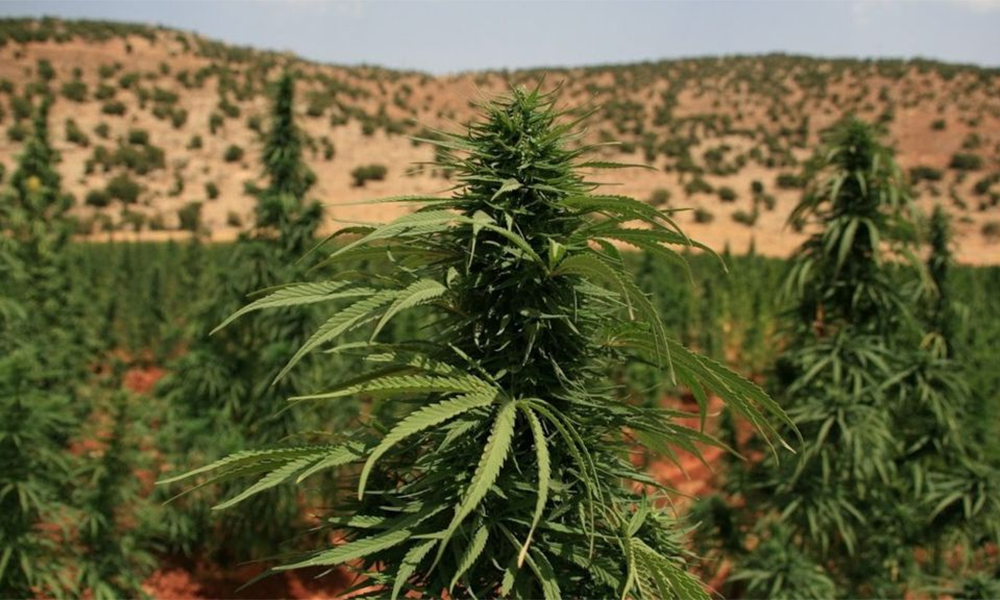
Lebanese joint parliamentary committees have approved Wednesday the bill to regulate the cultivation of cannabis for medical and industrial purposes. The bill will then go to the General Assembly of the House of Representatives for approval in its final form.
«The joint commissions met to study the culture project for the medical cannabis and industrial sectors», said Elie Farzli, Chairman of the Committee and Vice-Chairman of the Chamber of Deputies, at a press conference at the Parliament's headquarters in Beirut.
«There is the possibility of considerable economic benefits for the country from this cultivation, and it will also help put an end to illegal cannabis cultivation... Therefore, this proposal was approved by an overwhelming majority of MPs,» said Farzli.
In 2018, the consulting firm McKinsey was commissioned by the Lebanese government to find ways of developing the country's economy. With regard to cannabis, the report proposed developing the culture and the export of Lebanese medical cannabis, which could bring in as much as $1 billion. The then Minister of the Economy, Raëd Khoury, estimated that the latter could reach 4 billion dollars, «the quality we have [being] one of the best in the world».
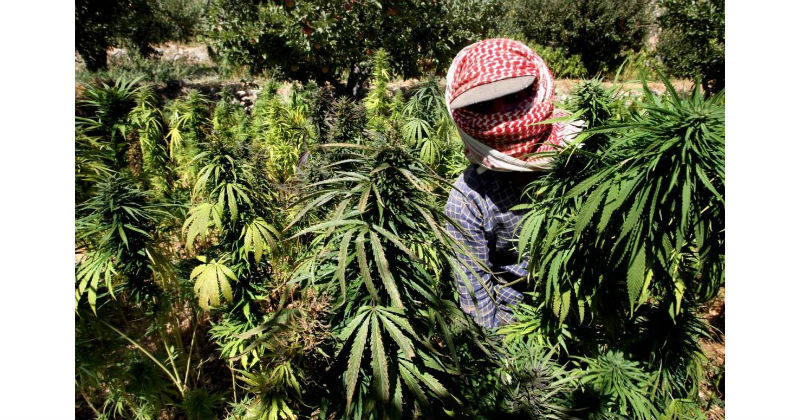
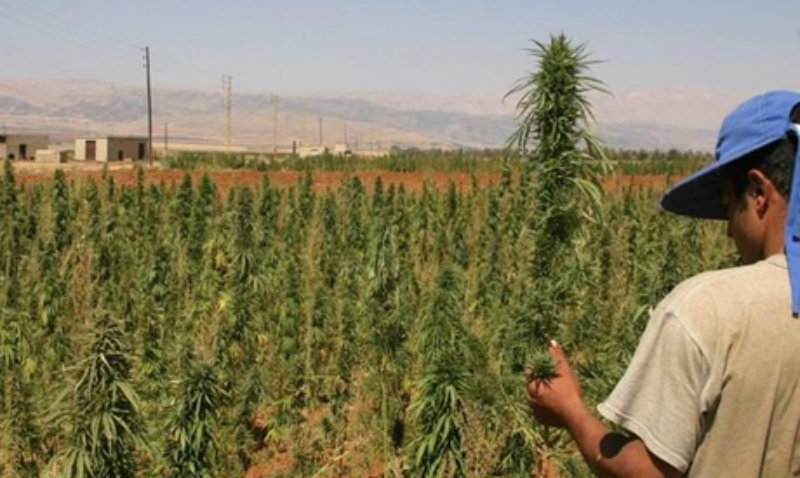
The country is the world's third-largest producer of hashish, after Afghanistan. and Morocco. Historically, Lebanon used cannabis to finance its militias during the civil war which lasted until 1990. Since then, the country has tried to curb cultivation by paying farmers to stop growing it. The lack of compensation and the increase in crop destruction has nevertheless prompted hemp growers in the Bekaa, the main cannabis-producing region, to further develop their cannabis production.
According to local estimates, the entire area currently cultivated with cannabis would generate $600 million a year with hemp, compared with over $2 billion today.
Ismail Sukkarieh, Chairman of the Lebanese National Health Authority, asks and on the financial returns of cannabis legislation, warning both against its implementation in the absence of state laws and the risk of introducing it as part of political and sectarian quotas.
Hezbollah, which is often accused of financing its activities through cannabis cultivation in particular, has made no such accusations, opposite to this legalization, as «the proposed law does not stipulate its economic feasibility».
The bill provides for the creation of an «Organizing Authority for the Cultivation of Cannabis for Medical and Scientific Purposes», under the supervision of the Council of Ministers. This body would be responsible for granting licenses to import seeds and plants, establish cultivation, plant and harvest in a controlled area, in addition to manufacturing, selling, distributing and establishing research centers and laboratories, according to specific criteria and conditions based on medical and industrial use.











CBD is said to promote athletic recovery, without improving performance

294 cannabis clubs in Chile: a booming movement with uneven distribution

Chronic Sciatica: New York Approves First Clinical Trial of a THC-Based Medication

United States: The DEA is accelerating the integration of medical cannabis at the federal level

Florida is nearing one million patients using medical cannabis

Uruguay Revives Its Plan to Allow Tourists to Legally Access Cannabis

In Brazil, researchers are developing an innovative CBD eye drop

Autism: Medical Cannabis Is Linked to Reduced Anxiety

The $28 billion U.S. hemp market remains under threat

Jamaica Eases Small Farmers' Access to the Cannabis Market
-
 Business6 days ago
The legal cannabis market in New York exceeds 4 billion $ in revenue
-

 Cannabis in France2 weeks ago
Which countries legalized medical cannabis before France?
-
Business2 weeks ago
South Korea is preparing to begin local production of medical cannabis to meet rising demand
-
Cannabis in the Netherlands4 weeks ago
One year after the launch of the Dutch cannabis experiment, the first trends are emerging
-
Cannabis in Thailand2 weeks ago
From the boom in dispensaries to a purely medical approach: Thailand is revising its cannabis policy
-
Cannabis in France4 weeks ago
French medical cannabis remains stalled at the Ministry of Health
-
Cannabis in Argentina3 weeks ago
Argentina Opens Its Market to Hemp Flowers Containing 1% of THC
-
Cannabis and driving2 weeks ago
Medical Cannabis and Driving: New South Wales Ends Automatic Penalties for THC















You must be logged in to post a comment Login