Indonesia: civil society calls for decriminalization of medical use of cannabis

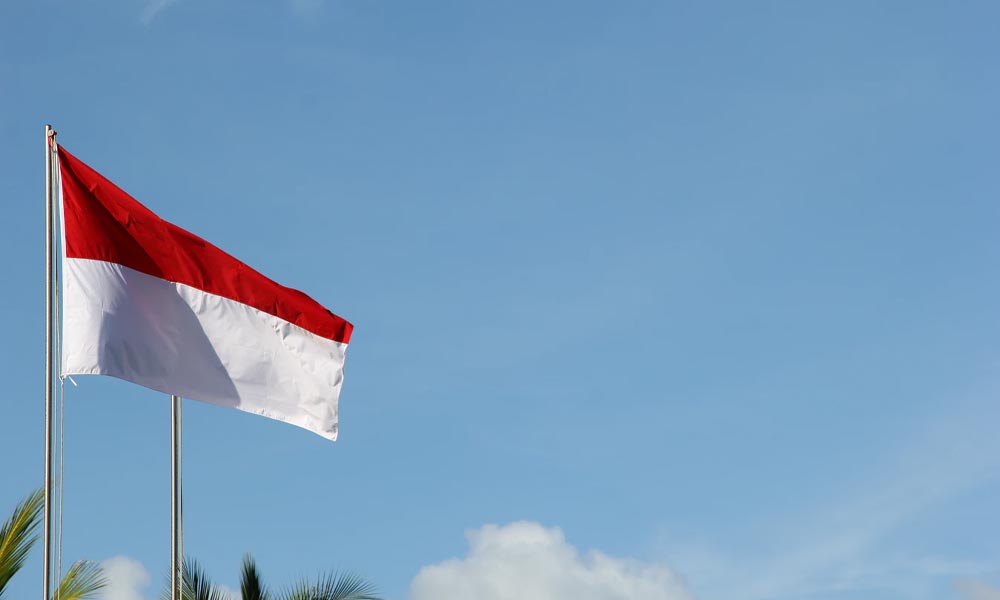
A group of Indonesian activists united under the banner of the’Advocacy Coalition for the Use of Narcotics as Medication calls for the decriminalization of the medical use of cannabis.
This petition follows the arrest last November of Reyndhart Siahaan, a 37-year-old man from Jakarta, for allegedly using cannabis.
Reyndhart's attorney, Herie CN, stated that his client used cannabis to relieve the pain caused by compression of his spinal cord, a condition he has had since 2015.
«My client has had spinal nerve problems since 2015, and the condition recurred in 2018,» said declared Herie. «He learned online that cannabis tea could help relieve his pain.»
Reyndhart was charged under Section 127 of Law No. 35/2009 on Narcotics, which carries a penalty of one year in prison.
The coalition of activists argued that the law should not restrict the use of narcotics for medical purposes.
«Although Article 8 of the Narcotics Law prohibits the use of Schedule 1 narcotics for medical purposes, the law’s original intent is to ensure the availability of narcotics for medical services. [..] The criminalization of people who need narcotics for their treatment clearly contradicts the primary purpose of narcotics, which is to promote the health of all Indonesians,» the group said in a statement on Wednesday.
The Statement mentions There was also a similar case in 2017, when a 36-year-old man named Fidelis Arie was arrested for using cannabis to relieve his wife, who was suffering from end-stage syringomyelia. During his trial, Fidelis’s wife died due to lack of treatment. Fidelis was sentenced to eight months in prison and fined 1 billion rupees (71,159.1 US dollars).
The coalition explained that the right to medical services, as a fundamental human right, is enshrined in Article 28 H of the 1945 Constitution.
«Drawing inspiration from the cases of Fidelis and Reynhardt, it is time for Indonesia to open its doors and allow the use of Schedule 1 drugs for medical purposes,» the coalition said in the statement.
The coalition expressed the hope that the judges would prioritize the right to health and acquit Reyndhart of all charges.
«What Reynhardt did could be considered an emergency because cannabis effectively treated his illness. Article 48 of the Penal Code stipulates that those who commit a criminal offense due to an emergency cannot be charged,» the group continued.
The coalition also urged the government to reconsider the ban on Schedule 1 drugs for medical use and to conduct research on cannabis.



















Medical Cannabis in Germany: THC Prices Vary by a Factor of 12

France already has 3,000 cannabis retail outlets. None of them are legal.

Morocco's exports of legal cannabis have expanded to 15 countries

Aurora Cannabis Doubles Its Production Capacity in Germany

Tilray is accelerating its operations in Europe thanks to a license in Portugal

Boston will host the 10th annual State of the Cannabis Industry Conference on October 26

A DEA report confirms that there are no fatal cannabis overdoses

A British patient is challenging the NHS's refusal to reimburse medical cannabis

October 2026 CBD Highlights: 10 Strains and Hash to Discover from 5 French Producers

CBD in France: Traceability, Retail Stores, THC and Driving… What the New Bill Proposes
-
 Business2 weeks ago
The legal cannabis market in New York exceeds 4 billion $ in revenue
-

 Cannabis in France3 weeks ago
Which countries legalized medical cannabis before France?
-
Business3 weeks ago
South Korea is preparing to begin local production of medical cannabis to meet rising demand
-
Cannabis in Thailand3 weeks ago
From the boom in dispensaries to a purely medical approach: Thailand is revising its cannabis policy
-
Cannabis and driving3 weeks ago
Medical Cannabis and Driving: New South Wales Ends Automatic Penalties for THC
-
Cannabis in Argentina4 weeks ago
Argentina Opens Its Market to Hemp Flowers Containing 1% of THC
-
Autism3 weeks ago
Autism and Cannabis: Results from the First Placebo-Controlled Trial of NTI164
-
Cannabis in France2 weeks ago
France’s Drug Policy Chief Defends Cannabis Prohibition... and Runs Into the Facts

















You must be logged in to post a comment Login