Experimentation with legal cannabis in the Netherlands begins this Friday

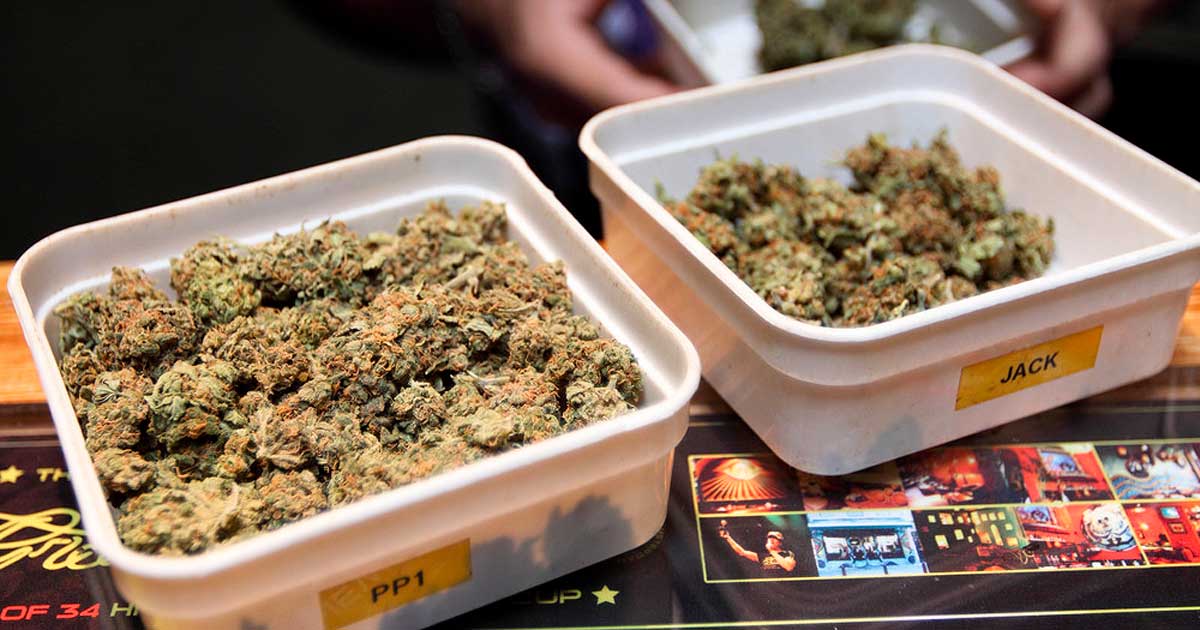
In 3 days« time, the Netherlands will open its experiment in legal cannabis cultivation and distribution, marking an important step towards ending the »back door" policy that allows coffeeshops to sell cannabis but not to supply themselves, but also more broadly for the European cannabis industry.
Originally scheduled to be launched several years ago, the legal cannabis experiment will begin on Friday, December 15, 2023, after suffering numerous delays.
The Dutch firm has given its green light for the start-up phase of the experiment, involving only three authorized legal growers - Fyta Group, Canadelaar and Aardachtig - to supply coffee shops in the municipalities of Breda and Tilburg. The original plan provided for ten growers to supply many stores, but checks on the liabilities of some applicants and financing problems for selected growers contributed to the delays.
The Dutch government has defined a phased approach to the experiment. Initially, starting this week, around 19 coffee shops in Breda and Tilburg will be allowed to offer both legally grown cannabis and unregulated products. This unique approach represents a departure from the system in place for decades, in which the sale of cannabis was tolerated, but cultivation remained prohibited.
Not all coffeeshops in Breda and Tilburg will be able to offer legal cannabis immediately, however, and the supply will certainly be limited «both in terms of diversity and quantity», as reported by Cnnbs.nl. Last weekend, the Brabants Dagblad reported that Fyta , the only grower to have already produced several harvests, had 42 varieties of cannabis «ready».
According to MJBizDaily citing government sources, two other growers, as yet unidentified, are expected to start supplying coffee shops in Breda and Tilburg in early 2024.
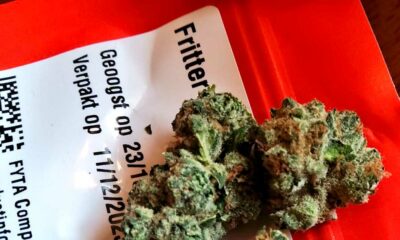
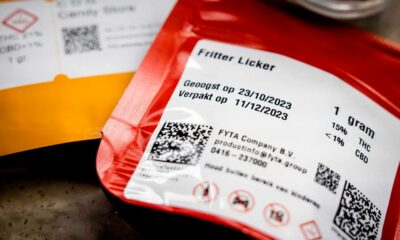
A key aspect of this experiment is the introduction of a tracking and traceability system aimed at ensuring unrivalled transparency in the cannabis supply chain. Legally produced cannabis products will be packaged with QR codes, enabling consumers to access detailed information about the crop, including where and when it was produced, as well as the company responsible.
An industry executive, speaking to MJBizDaily on condition of anonymity, stressed the importance of this experiment for the European cannabis landscape: «This is one of the first times in Europe that we can show that a closed value chain, from cultivation to retail, can work».
The executive stressed that the new system not only guarantees transparency, but also establishes a model in which the entire supply chain is accountable.
The experiment is scheduled to run for four years, at the end of which a decision will be taken on whether to extend it. During this period, participating coffee shops will undergo a transition period of around six weeks, at the end of which they will sell exclusively legal cannabis products. This transition should bring about a paradigm shift in the Dutch cannabis industry, and could serve as a model for other countries. to other European countries considering similar reforms.





















JIHE 2026: Japan’s Largest Trade Show Dedicated to Hemp and CBD Returns to Tokyo with More Than 100 Industry Players
New Caledonia: The Courts Clear the Way for the Return of CBD

The Brazilian medical cannabis market continues to grow

Morocco: Three Cannabis-Based Medications Approved for the Treatment of Epilepsy

Canopy Growth Receives New EU-GMP Certification to Strengthen Its Presence in Europe

Three years after legalizing medical cannabis, Albania continues to establish regulations for it

The first plant-based medical THC spray arrives in the United Kingdom

Medical Cannabis in Germany: THC Prices Vary by a Factor of 12

France already has 3,000 cannabis retail outlets. None of them are legal.

Morocco's exports of legal cannabis have expanded to 15 countries
-
 Business2 weeks ago
The legal cannabis market in New York exceeds 4 billion $ in revenue
-

 Cannabis in France4 weeks ago
Which countries legalized medical cannabis before France?
-
Business4 weeks ago
South Korea is preparing to begin local production of medical cannabis to meet rising demand
-
Cannabis in France4 days ago
France already has 3,000 cannabis retail outlets. None of them are legal.
-
Cannabis in Thailand4 weeks ago
From the boom in dispensaries to a purely medical approach: Thailand is revising its cannabis policy
-
Cannabis in the U.S.5 days ago
A DEA report confirms that there are no fatal cannabis overdoses
-
Cannabis and driving3 weeks ago
Medical Cannabis and Driving: New South Wales Ends Automatic Penalties for THC
-
Cannabis in France3 weeks ago
France’s Drug Policy Chief Defends Cannabis Prohibition... and Runs Into the Facts

















Mesa
December 14, 2023 at 7 h 44 min
Are they going to start selling mature weed again or will it always be their virgin weed?