
Study: the anti-inflammatory and pain-relieving effects of terpenes

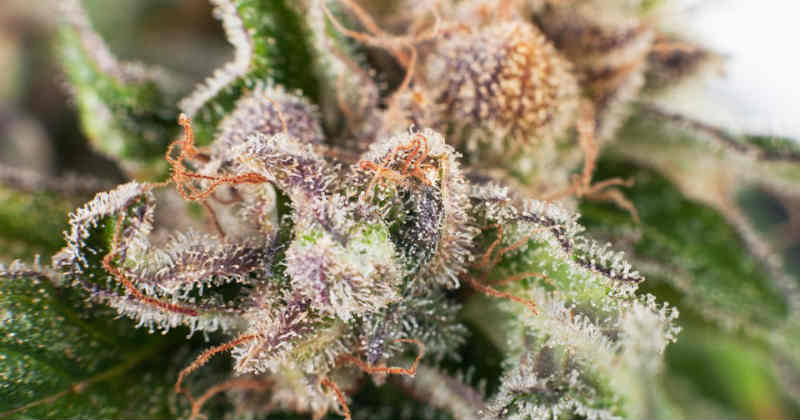
Among the recognized medical effects of cannabis are the cannabinoids are used primarily for their anti-inflammatory effects. However, they are not the only components of the cannabis plant that have this effect. Terpenes, which have been studied somewhat less extensively, are the molecules responsible for the flavor and aroma of cannabis.
According to a new study published in TThe Journal of Cannabis and Cannabinoid Research, these compounds are also believed to have an anti-inflammatory effect, though one that differs from that of cannabinoids. Israeli researchers had previously conducted a study on the anti-inflammatory and anti-nociceptive (pain-sensitivity) properties of cannabidiol (CBD). They used the same methodology to compare the effects of terpenes to those of CBD.
Terpenes: The Overlooked Subject of Research
While research on the components of cannabis is becoming increasingly extensive, we still know very little about terpenes. «While studies have focused on THC and the anti-inflammatory effects of other major components of cannabis, such as CBD, the effects of the aromatic compounds—terpenes—have been largely overlooked.» Some studies suggest that these compounds have pharmacological effects, though little is yet known about their mechanism of action.
Some terpenes are unique to cannabis, but others are also found elsewhere in the plant kingdom. At least 230 different terpenoids have been identified in the cannabis plant, but a single plant typically contains only about 50 of them. The terpenes in cannabis are determined by the plant’s genetics, with the terpene profile corresponding to a specific genotype. From a physiological standpoint, terpenes protect the plant from predators and attract pollinating insects. From a pharmacological standpoint, they are believed to have the ability to influence the properties of other cannabinoids. This is partly what is known as the entourage effect.
Method and Results
For the purposes of the study, terpenoid-rich samples derived from three hemp varieties with different terpene profiles were prepared. The varieties in question are Tisza, Felina, and Ferimon, all of which are grown in Europe. After extracting the terpenoids, the researchers studied their effects on cells (in vitro) and on mice (in vivo).
The mice were injected with a specific enzyme that causes inflammation, including swelling in the paw. They were then administered terpenes to observe whether the inflammation decreased. The study concluded that the terpenes had moderate anti-inflammatory properties, regardless of the dosage. The Felina profile proved to be less effective than the other two varieties in reducing swelling, and only the Tisza profile was found to have antinociceptive properties. However, these properties are significantly less potent than those of CBD.
The difference in potency between CBD and terpenes appears to be due to a different mechanism of action. While CBD significantly reduces TNF-α (antibody) production in vitro—suggesting it has a long-term anti-inflammatory effect—terpenes have no effect on this production. «This suggests that terpenoids exert their anti-inflammatory effect through a mechanism different from that used by cannabinoids,» the researchers explain.
In conclusion, the researchers were able to demonstrate that terpenes have anti-inflammatory and anti-nociceptive effects and that these effects vary depending on the terpene profile. This is an important finding for medical cannabis research aimed at determining the optimal ratios for the formulation of medications. Finally, terpenes do not have an immunosuppressive effect, suggesting that they are not effective in the long term: «We suggest that terpenes can be used to reduce acute inflammation, whereas cannabinoids inhibit the symptoms of chronic inflammation.».




















Medical Cannabis and Driving: New South Wales Ends Automatic Penalties for THC

China's Yongji Health Takes Control of Tasmanian Botanics

Autism and Cannabis: Results from the First Placebo-Controlled Trial of NTI164

Which countries legalized medical cannabis before France?

From the boom in dispensaries to a purely medical approach: Thailand is revising its cannabis policy

South Korea is preparing to begin local production of medical cannabis to meet rising demand

In the United States, cannabis use among high school students has reached an all-time low

Medical cannabis use surges by 64 % in Denmark

Canopy Growth Enters the U.K. Market with Four Canadian Strains

CBD: Full-Spectrum Extracts Under Threat in Greece
-
 Cannabis and driving2 weeks ago
Cannabis and CBD: French Drivers Can Now Lose Their License Even Without a Positive Test Result
-
Cannabis in France3 weeks ago
Cannabis Legalization: The LFI Bill Has a Major Problem—THC
-

 Cannabis in France1 day ago
Which countries legalized medical cannabis before France?
-
Cannabis in the Netherlands2 weeks ago
One year after the launch of the Dutch cannabis experiment, the first trends are emerging
-
Cannabis in France2 weeks ago
French medical cannabis remains stalled at the Ministry of Health
-
Cannabis in Argentina1 week ago
Argentina Opens Its Market to Hemp Flowers Containing 1% of THC
-
Business2 weeks ago
The United Kingdom Is Moving Closer to a Regulated CBD Market
-
Cannabis in France1 week ago
Rima Hassan: When «Drugs» Become a Political Weapon
















You must be logged in to post a comment Login