
South Korea is preparing to begin local production of medical cannabis to meet rising demand

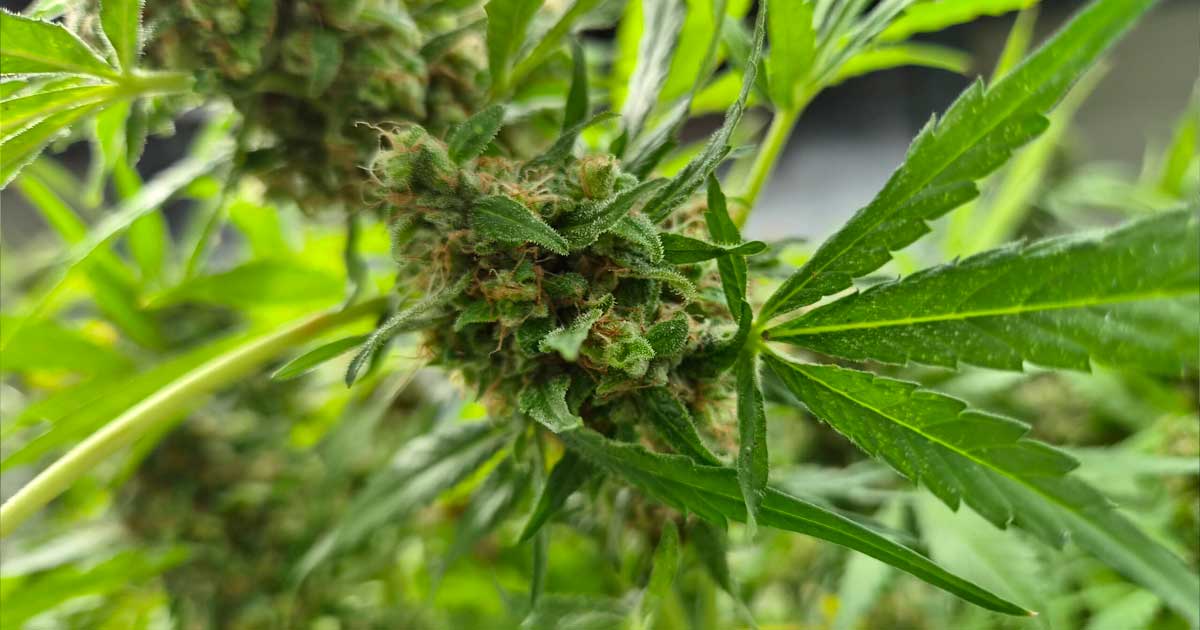
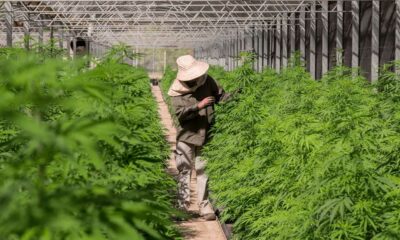
South Korea is preparing to change its approach to medical cannabis. Faced with a growing number of patients and the high cost of imported treatments, the Korean Ministry of Food and Drug Safety (MFDS) is working to establish a framework that will allow for domestic research, cultivation, and production of cannabis-based medicines.
The goal is not to relax cannabis laws across the board, but to establish a strictly regulated pharmaceutical supply chain, particularly with regard to CBD (cannabidiol).
A Reliance on Imports That Has Become Costly
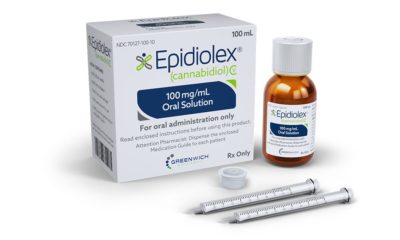
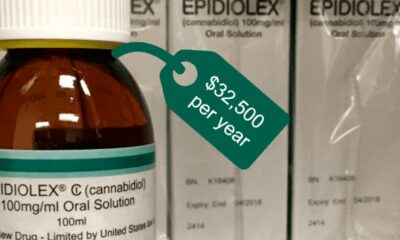
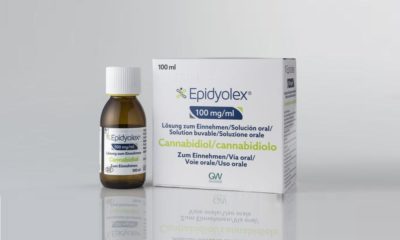
Since 2019, the South Korean authorities have approved access to Epidiolex, a CBD-based medication used, in particular, to treat certain severe forms of epilepsy. However, the product is still entirely imported, which exposes the healthcare system to high costs and a fragile supply chain.
According to the Korea Orphan & Essential Drug Center, Epidiolex was prescribed an average of more than 300 times per month in the first quarter of 2026. Its use is growing by more than 10% per year, and patients under 18 account for 67% of those treated. At the same time, reimbursement claims submitted to the national health insurance program rose from 4.9 billion won in 2021 to over 10 billion in 2024.
This reliance on a foreign supplier also poses a risk in the event of a logistical or industrial disruption.
«If production or supply issues arise among foreign suppliers, or if international logistics are disrupted by epidemics or armed conflict, domestic patients may have difficulty receiving their supplies on time, and the monopolistic structure of the supply chain also limits price negotiations,» explained Mun Eun-hui, director of the Narcotics Policy Division at the MFDS.
Parliament is considering changes to the legal framework
This line of thinking is now being reflected in legislation. In March, Seo Mi-hwa, a member of the National Assembly from the Democratic Party of Korea, and Kim Hyeong-dong, a member of the People Power Party, each proposed amendments to the Narcotics Control Act. The texts call for, among other things, a review of the classification of the CBD and to authorize the cultivation of cannabis for the production of medical raw materials.
However, the issue of oversight remains central. Cultivation, harvesting, transportation, and processing should be subject to specific monitoring to prevent the diversion of plants or raw materials to unauthorized uses.
«The key is to maintain the basic regulatory framework governing cannabis while managing the entire process—from cultivation to extraction, through the manufacture of medications and their use by patients—so that medically necessary components can be used as medications,» explains Mun Eun-hui.
Andong: A Testing Ground for Korea's Future Industry
To develop this model, the The authorities already have a testing ground : Andong, in North Gyeongsang Province. Since 2020, the city has been home to a special regulatory zone dedicated to medical cannabis.
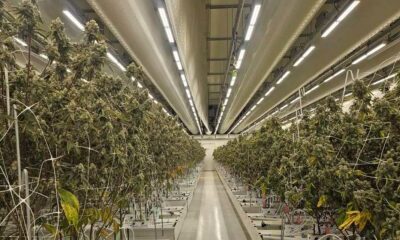
The system covers various stages, from cultivation to raw material extraction and pharmaceutical development. The facilities are monitored, access is restricted, and each plant is assigned a unique identifier to ensure its traceability during cultivation and transport.
This experience should now help shape future national regulations, particularly with regard to video surveillance, access control, and monitoring of production volumes.
A Korean pharmaceutical CBD production facility is in the works
The private sector is already anticipating this trend. NeoCannBio, a company specializing in the extraction of pure CBD, plans to build a facility in Andong that complies with GMP (Good Manufacturing Practice) standards approximately 5,000 m². Construction is set to begin in October, with completion expected by the end of 2027.
The emergence of local production of Pharmaceutical-grade CBD could enable Korean companies to develop generic versions of Epidiolex, as well as new medications. NeoCannBio aims, in particular, to reduce prices by more than two-thirds compared to imported treatments.
The reform remains contingent on the adoption of legislative changes and the implementation of a comprehensive monitoring system. It nevertheless marks a significant shift: the South Korea is now seeking to reconcile its particularly strict regulations on cannabis with the establishment of a national medical supply chain.
















South Korea is preparing to begin local production of medical cannabis to meet rising demand

In the United States, cannabis use among high school students has reached an all-time low

Medical cannabis use surges by 64 % in Denmark

Canopy Growth Enters the U.K. Market with Four Canadian Strains

CBD: Full-Spectrum Extracts Under Threat in Greece

Medical Cannabis and Back Pain: Opioid Use Has Dropped by 90 % in 10 Years

Cannabis: Wisconsin Could Finally Legalize It in 2027

Argentina Opens Its Market to Hemp Flowers Containing 1% of THC

The French Socialist Party still doesn't know how to approach the legalization of cannabis

Science in the City International: Paris at the Heart of Transatlantic Scientific and Medical Dialogue
-
 Cannabis and driving2 weeks ago
Cannabis and CBD: French Drivers Can Now Lose Their License Even Without a Positive Test Result
-
Cannabis in France3 weeks ago
Cannabis Legalization: The LFI Bill Has a Major Problem—THC
-

 Cannabis in the Netherlands1 week ago
One year after the launch of the Dutch cannabis experiment, the first trends are emerging
-
Cannabis in France2 weeks ago
French medical cannabis remains stalled at the Ministry of Health
-
Cannabis in Argentina7 days ago
Argentina Opens Its Market to Hemp Flowers Containing 1% of THC
-
Business1 week ago
The United Kingdom Is Moving Closer to a Regulated CBD Market
-
Cannabis in France1 week ago
Rima Hassan: When «Drugs» Become a Political Weapon
-
Cannabis in Europe3 weeks ago
Andorra Paves the Way for Medical Cannabis Cultivation














You must be logged in to post a comment Login