The CBD market contaminated by synthetic cannabinoids

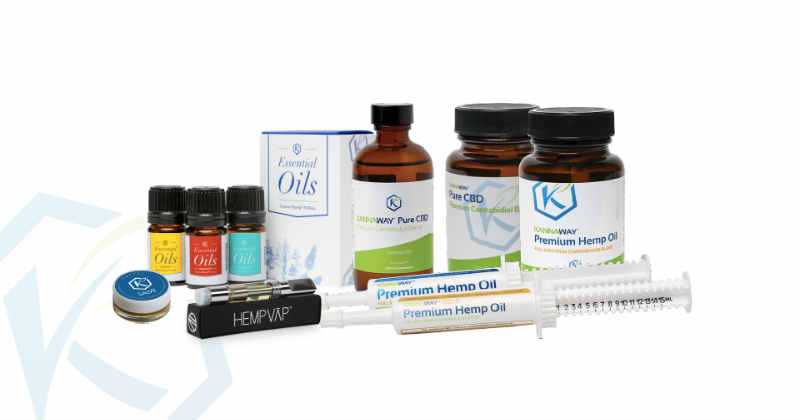
The market for cannabinoid products has major flaws: it's an emerging market with little regulation, and traditionally linked to the black market in which the opacity of the composition and product provenance is commonplace. For both these reasons, it is dangerous for consumers. An American high-school student was one of the victims.
A disturbing incident
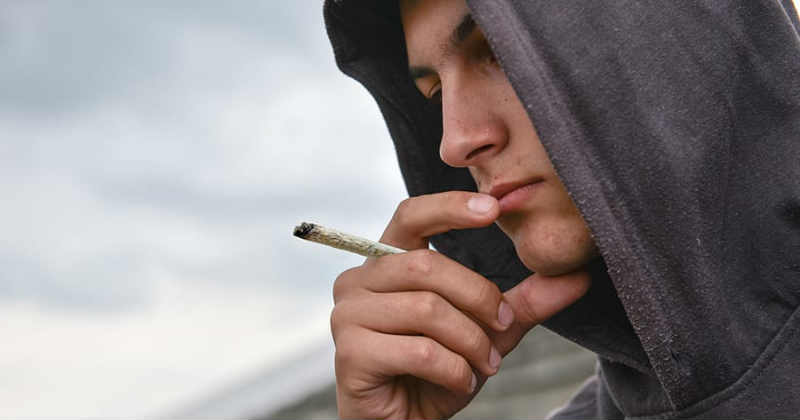
While it is technically impossible to overdose on cannabidiol (CBD), An American high-school student overdosed after buying a CBD vaporizer cartridge from a store in Mooresville, North Carolina. The overdose was not caused by the CBD molecule, however, but by the chemicals added to the untested and unlabelled product.
The sales clerk has been arrested and is being prosecuted for selling illegal substances. He may not have been responsible for the addition of chemical components which may well have occurred at the production stage, but was responsible for testing the product and knowing exactly what goods it was marketing.
A growing trend
Unfortunately, this case is not insulated and synthetic cannabinoid molecules are increasingly appearing in CBD products, particularly in Texas and North Carolina. The most exposed products are vaporizer cartridges.
In response, in Houston, Texas, a collaborative project called Operation Three of a Kind investigated the presence of illegal products in products sold in CBD shops. This project was initiated by the local police, who sent undercover officers to buy products considered suspicious in the shops. In all, some 59 kilos of goods were confiscated after analysis, in three different locations. Toxic molecules FUB-AMB and 5-Fluoro ADB were found in the confiscated products.
Already in 2016, the city of Houston faced a similar problem: 16 people overdosed on the same day at Park Hermann after consuming synthetic cannabinoids contained in a product called «Kush» in reference to the Indian variety of cannabis. These chemicals have nothing to do with natural cannabinoids except that they borrow the name for obvious marketing reasons.
These are highly dangerous substances, and overdoses linked to their ingestion are on the increase. In Washington DC, 260 synthetic cannabinoids have been reported since July 20. The fact that these products are appearing in renowned CBD products This is worrying, and speaks volumes about the need to regulate this booming market.
Is regulation necessary?
As in any market, honesty comes at a cost and some are prepared to take risks and put lives at risk for a little extra profit. Ideally CBD consumers should be able to buy from reliable sources that offer a traced, verified and correctly labeled product.
At present, labeling is left entirely to the discretion of the seller, who can easily abuse consumers' trust and ignorance.







«Vincy Gold»: Humboldt Seed Company on the Hunt for Saint Vincent Sativas

Cronos Completes the Acquisition of CanAdelaar for 57.5 million euros

Cannabis with a "bloody" twist: Discover Sensi True Blood and Sensi Sangria, the two new strains from Sensi Seeds

Hemp: The Council of the EU Takes a Stand on New Production and Marketing Rules

Missouri's legal cannabis market accounts for 93 % of consumer spending

THC Gummies: How to Read a Certificate of Analysis Before Buying

British patients now have access to THCV-rich cannabis flowers

Spain: Medical Cannabis Is Coming to About 50 Hospitals

JIHE 2026: Japan’s Largest Trade Show Dedicated to Hemp and CBD Returns to Tokyo with More Than 100 Industry Players

New Caledonia: The Courts Clear the Way for the Return of CBD
-
 Business3 weeks ago
The legal cannabis market in New York exceeds 4 billion $ in revenue
-

 Cannabis in France4 weeks ago
Which countries legalized medical cannabis before France?
-
Cannabis in France1 week ago
France already has 3,000 cannabis retail outlets. None of them are legal.
-
Business4 weeks ago
South Korea is preparing to begin local production of medical cannabis to meet rising demand
-
Cannabis in the U.S.1 week ago
A DEA report confirms that there are no fatal cannabis overdoses
-
Cannabis in Thailand4 weeks ago
From the boom in dispensaries to a purely medical approach: Thailand is revising its cannabis policy
-
Cannabis and driving4 weeks ago
Medical Cannabis and Driving: New South Wales Ends Automatic Penalties for THC
-
Cannabis in France3 weeks ago
France’s Drug Policy Chief Defends Cannabis Prohibition... and Runs Into the Facts
















You must be logged in to post a comment Login