Study finds CBD and CBG may help reverse hepatic steatosis

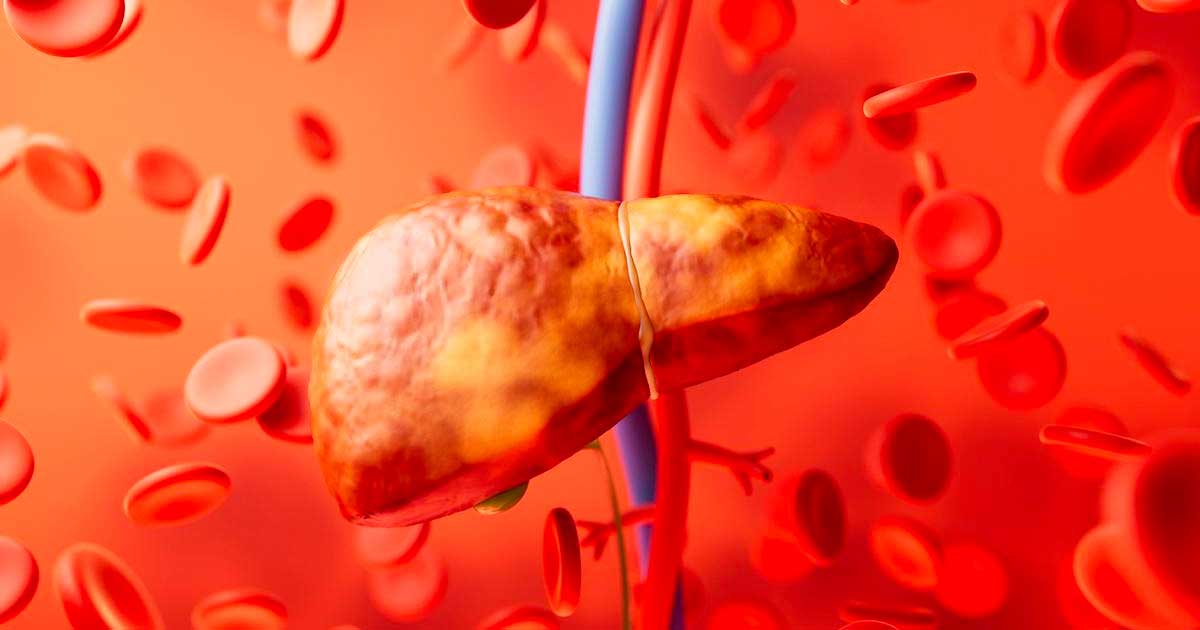
New research suggests that the phytocannabinoids CBD and CBG may play a role in the treatment of metabolic dysfunction-associated liver steatosis (MASLD), commonly known as fatty liver.
Published in the British Journal of Pharmacology, the study revealed that cannabidiol (CBD) and the cannabigerol (CBG) improved markers of metabolic health and reduced fat accumulation in the livers of mice suffering from diet-induced obesity. These results also reveal previously unknown biological mechanisms by which these cannabis-derived compounds may protect liver function.
CBD and CBG improve metabolic markers associated with MASLD
The MASLD is a global health problem associated with obesity, insulin resistance and metabolic disorders. The disease is characterized by an excessive accumulation of fat in the liver, which can ultimately lead to liver damage. inflammation, fibrosis and severe liver damage.
In this study, the researchers subjected male mice to a high-fat diet for 14 weeks to induce metabolic dysfunction and hepatic steatosis. The animals were then treated for four weeks with injections of CBD or CBG.
The results showed significant metabolic improvements in mice given the cannabinoids. Both compounds have contributed to normalize blood sugar levels, to improve insulin sensitivity and reduce circulating lipids such as triglycerides and cholesterol.
The researchers also observed a reduction in hepatic steatosis, the accumulation of fat inside liver cells. Microscopic analysis of liver tissue confirmed that animals treated with CBD or CBG had significantly fewer lipid droplets than untreated mice.
These changes occurred without significant differences in food consumption, physical activity or total energy expenditure, suggesting that these improvements were due to the direct metabolic effects of the phytocannabinoids.

A new mechanism explaining how cannabinoids influence liver metabolism
Beyond the metabolic improvements, the research has uncovered a previously unknown mechanism explaining how CBD and CBG influence the liver's energy metabolism.
Instead of increasing classical metabolic pathways such as fatty acid oxidation or mitochondrial activity, cannabinoids seemed to direct the liver towards a alternative energy regulation system involving creatine and phosphocreatine.
Metabolomic analysis revealed significantly higher levels of these molecules in the livers of treated mice. At the same time, the activity of creatine kinase, the enzyme responsible for regulating the creatine-phosphocreatine cycle, was markedly increased.
This system acts as a cellular energy reservoir, helping cells to maintain high levels of ATP energy levels during metabolic stress. According to the researchers, activation of this pathway could enable liver cells to better manage energy requirements while coping with lipid overload.
It is important to note that the study showed that these effects occurred independent of the endocannabinoid system, This suggests that CBD and CBG may exert beneficial effects on metabolism via non-receptor pathways.
Reduces harmful fats and improves cellular cleansing
Lipidomic analysis also showed that CBD and CBG have significantly reshaped the lipid profile of the liver.
Cannabinoids reduced levels of triglycerides and ceramides, two lipid classes strongly associated with metabolic dysfunction and insulin resistance. At the same time, these compounds increased the levels of phospholipids and’lysobisphosphatidic acids (LBPA), molecules involved in intracellular lipid transport.
The increase in LBPA was particularly noteworthy as these lipids play a key role in the endolysosomal system, the cellular mechanism responsible for breaking down and recycling molecules.
Further analysis confirmed that CBD and CBG restore the activity of cathepsins, enzymes responsible for protein degradation within lysosomes. In mice with hepatic steatosis, these enzymes are generally inhibited, impairing the cell's ability to process and eliminate harmful lipid accumulations.
By restoring cathepsin activity and improving lysosomal function, cannabinoids appear to reactivate the liver's cellular cleansing processes, This helps the organ to eliminate excess fat and metabolic waste.
Promising results, but human studies still needed
While these results highlight the therapeutic potential of CBD and CBG for metabolic liver disorders, However, they remain limited to preclinical research.
The authors stress that further studies are needed to determine whether the same metabolic effects occur in humans, and to better understand the pharmacology of these compounds.
«Further studies are needed to assess the transposability of this metabolic remodeling in human MASLD, including the impact of phytocannabinoid pharmacokinetics and route of administration,» the researchers wrote.
Nevertheless, this study adds to a growing body of evidence suggesting that non-psychoactive cannabinoids may influence metabolic health in ways that go beyond their known interactions with the endocannabinoid system.
As research progresses, CBD and CBG could eventually emerge as potential therapeutic tools for diseases such as MASLD, one of the world's most widespread liver diseases.



















JIHE 2026: Japan’s Largest Trade Show Dedicated to Hemp and CBD Returns to Tokyo with More Than 100 Industry Players
New Caledonia: The Courts Clear the Way for the Return of CBD

The Brazilian medical cannabis market continues to grow

Morocco: Three Cannabis-Based Medications Approved for the Treatment of Epilepsy

Canopy Growth Receives New EU-GMP Certification to Strengthen Its Presence in Europe

Three years after legalizing medical cannabis, Albania continues to establish regulations for it

The first plant-based medical THC spray arrives in the United Kingdom

Medical Cannabis in Germany: THC Prices Vary by a Factor of 12

France already has 3,000 cannabis retail outlets. None of them are legal.

Morocco's exports of legal cannabis have expanded to 15 countries
-
 Business2 weeks ago
The legal cannabis market in New York exceeds 4 billion $ in revenue
-

 Cannabis in France4 weeks ago
Which countries legalized medical cannabis before France?
-
Business4 weeks ago
South Korea is preparing to begin local production of medical cannabis to meet rising demand
-
Cannabis in France4 days ago
France already has 3,000 cannabis retail outlets. None of them are legal.
-
Cannabis in Thailand4 weeks ago
From the boom in dispensaries to a purely medical approach: Thailand is revising its cannabis policy
-
Cannabis in the U.S.5 days ago
A DEA report confirms that there are no fatal cannabis overdoses
-
Cannabis and driving3 weeks ago
Medical Cannabis and Driving: New South Wales Ends Automatic Penalties for THC
-
Cannabis in France3 weeks ago
France’s Drug Policy Chief Defends Cannabis Prohibition... and Runs Into the Facts
















You must be logged in to post a comment Login