Study: inflammation may influence the effects of cannabis on anxiety and sleep


A new scientific study by researchers at the University of Colorado at Boulder suggests that the’inflammatory state could play an important role in the way a person's cannabis affects anxiety symptoms and sleep quality. The results show that CBD-rich products could provide more consistent improvements in mood and sleep than those with a dominant THC.
Published by a team led by Jonathon K. Lisano, this study examined how inflammation interacts with cannabinoids such as the THC and the CBD in people suffering from anxiety. Although the study found no evidence that cannabis directly reduces inflammation over time, it did show that baseline inflammation levels can influence how people react to cannabis consumption.
Cannabis, anxiety and sleep: an increasingly important research topic
The anxiety disorders affect a significant proportion of the population, and are often accompanied by sleep disorders. Previous research has shown that many patients report using cannabis products to manage these two problems.
L’inflammation is increasingly being studied as a biological factor linked to negative affects, which include symptoms of depression, anxiety and stress, and the poor sleep quality. These processes involve inflammatory molecules called cytokines, which are released by immune cells.
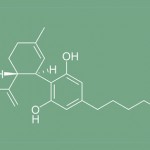
Like the THC (delta-9-tetrahydrocannabinol) and CBD (cannabidiol) have demonstrated anti-inflammatory properties In laboratory research, scientists hypothesized that they might influence mood and sleep, in part through mechanisms linked to the immune system.
To explore this hypothesis, the researchers recruited 171 adults suffering from mild or more severe anxiety and followed them for four weeks.
Three types of cannabis products were tested
The participants were divided into four groups: a group without consumption and three groups assigned to different cannabis varieties :
- THC-dominant flower (24 % of THC)
- CBD-dominant flower (24 % of CBD)
- A THC + CBD balanced variety (12 % THC and 12 % CBD)
The products were purchased from legal dispensaries in Colorado, which allowed the participants to use them. freely and naturally for a period of four weeks, rather than at controlled doses.
The researchers measured several indicators at the beginning and end of the study:
- Negative affect, using the DASS-21 (Depression Anxiety and Stress Scale)
- Sleep quality, using the Pittsburgh Sleep Quality Index (PSQI)
- Ignition levels, measured from circulating cytokines in blood samples
The inflammation hasn't changed, but the answers have.
One of the main conclusions of the study is that cannabis use did not significantly alter cytokine levels over the four-week period. In other words, participants' overall levels of inflammation remained largely stable, whether they used cannabis or not.
However, the researchers observed that baseline inflammatory status influenced psychological outcomes.
Participants who consumed CBD-dominant cannabis or products balanced in THC + CBD have shown a consistent reduction in negative effects, whether their level of inflammation is low, medium or high.
In contrast, THC-dominant cannabis produced more variable results. An improvement in mood was observed mainly in participants with average levels of inflammation, but not consistently in those with particularly low or high levels of cytokines.
Compared to the non-user group, people who use CBD-rich cannabis experienced a greater reduction in depression and anxiety scores.
Sleep quality also improved in some groups
The study also examined changes in sleep quality. Participants who did not use cannabis showed no significant improvement in sleep over the four weeks, regardless of their inflammatory state.
Among cannabis users, sleep outcomes differed according to the type of cannabis used. product composition and ignition levels.
Improved sleep was observed in all groups of cannabis users when participants had medium or high levels of inflammation, but the greatest and most consistent improvements appeared in the CBD-dominant groups with a balanced THC + CBD content.
In people with very low inflammation, cannabis had little measurable effect on sleep quality.
A possible explanation for the mixed research results
The researchers suggest that these results may help explain why scientific studies on cannabis and anxiety often produce mixed results.
Individual biological differences, such as’inflammatory state, These factors can influence the way people react to different cannabinoids. CBD, in particular, has been shown in previous laboratory studies to influence immune pathways linked to inflammation.
Although the exact mechanisms remain unclear, the authors conclude that inflammation may act as a moderator rather than a direct target of cannabis effects.
Despite these promising results, the study has several limitations. Participants only used flower-based products, and the study only lasted four weeks, meaning long-term effects remain unknown.
The authors also note that dosage and time of use were not standardized, This reflects actual consumption but limits precise comparisons.
Nevertheless, this research provides new evidence suggesting that CBD-rich cannabis products may have broader effects on mood and sleep than THC-dominant strains, particularly in anxiety sufferers.



















JIHE 2026: Japan’s Largest Trade Show Dedicated to Hemp and CBD Returns to Tokyo with More Than 100 Industry Players
New Caledonia: The Courts Clear the Way for the Return of CBD

The Brazilian medical cannabis market continues to grow

Morocco: Three Cannabis-Based Medications Approved for the Treatment of Epilepsy

Canopy Growth Receives New EU-GMP Certification to Strengthen Its Presence in Europe

Three years after legalizing medical cannabis, Albania continues to establish regulations for it

The first plant-based medical THC spray arrives in the United Kingdom

Medical Cannabis in Germany: THC Prices Vary by a Factor of 12

France already has 3,000 cannabis retail outlets. None of them are legal.

Morocco's exports of legal cannabis have expanded to 15 countries
-
 Business2 weeks ago
The legal cannabis market in New York exceeds 4 billion $ in revenue
-

 Cannabis in France4 weeks ago
Which countries legalized medical cannabis before France?
-
Business4 weeks ago
South Korea is preparing to begin local production of medical cannabis to meet rising demand
-
Cannabis in France4 days ago
France already has 3,000 cannabis retail outlets. None of them are legal.
-
Cannabis in Thailand4 weeks ago
From the boom in dispensaries to a purely medical approach: Thailand is revising its cannabis policy
-
Cannabis in the U.S.5 days ago
A DEA report confirms that there are no fatal cannabis overdoses
-
Cannabis and driving3 weeks ago
Medical Cannabis and Driving: New South Wales Ends Automatic Penalties for THC
-
Cannabis in France3 weeks ago
France’s Drug Policy Chief Defends Cannabis Prohibition... and Runs Into the Facts
















You must be logged in to post a comment Login