
L’Uruguay was the first country in the world to legalize cannabis in 2013, to curb the growth of drug traffickers. Today, Uruguayans can choose to join a Cannabis Club, grow their own plants or buy cannabis from pharmacies.
Legal
Cannabis is legal in Uruguay for adults over 18.
Last checked: September 23, 2026
Where in the world is cannabis legal?✨ Newsweed AI is based on our articles and verified data.
Yes, Uruguay's marijuana legislation is in force, and this South American country allows the consumption of weed for recreational purposes.
Uruguay became the first country to legalize weed when President Jose «Pepe» Mujica signed the bill in December 2013 that legalized cannabis in this nation of 3.5 million people. Uruguay's weed legalization movement was a pioneering effort that set the stage for Canada to become the second nation to legalize recreational marijuana in 2018.
However, since the passage of Uruguay's revolutionary marijuana legislation, the road to bringing it to the public has been uneven and sometimes completely blocked.
In March 2018, the Brookings Institution studied the opportunities and challenges of legalization in the South American country. The researchers found that the current regulatory framework was insufficient to crowd out the illicit market.
Most Uruguayan banks, for example, have refused to do business with marijuana organizations, fearing that they will be sanctioned or denied business by U.S. financial institutions and members of the United Nations who classify marijuana as an illegal drug.
Even four years after the law was passed, only 17 of the 1,000 government pharmacies offer cannabis, due to pressure from the banks. Those that do must sell for cash.
However, Canada's legalization of recreational marijuana could enable Uruguayan banks and pharmacies to do business with its financial institutions. The World Health Organization's efforts to reclassify marijuana and recognize its medicinal benefits are also encouraging signs for the future of the country's legal cannabis industry.
Political changes have also slowed availability. The current president, Tabaré Vázquez, is a doctor and considers marijuana dangerous. In addition, the Ministry of Health and the National Police have been uneven in their policies and enforcement.
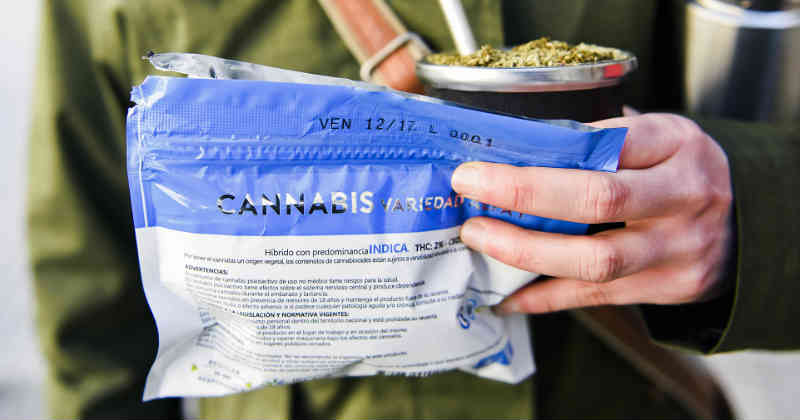
Under Uruguayan drug laws, cannabis is available to Uruguayan citizens and permanent residents aged 18 and over. Cannabis is not available for sale to tourists. Cannabis can only be purchased in government-run pharmacies. Individuals can purchase up to 40 grams, or 1.4 ounces, per month; under subsequent regulations, the limit is 10 grams, or 0.35 ounces, per week.
Uruguay's cannabis law prohibits the consumption of cannabis in indoor public spaces where tobacco consumption is prohibited. Uruguay prohibits all forms of advertising and promotion.
Non-medical users must register to purchase marijuana and choose only one of the three legal forms of cannabis supply: home cultivation, clubs or commercial purchase.
When the law was passed, pharmacies were not required to sell cannabis, and most opted out of the system, resulting in long lines at pharmacies offering marijuana.
The government plans to create designated dispensaries.
Under Uruguay's marijuana laws, each Uruguayan citizen is allowed to grow up to six plants at home. These plants may not produce more than 480 grams (17 ounces) of marijuana per year.
Cannabis clubs can have between 15 and 45 members, and grow a number of plants proportional to the annual quota of marijuana per member.
There are only two authorized commercial strains, with a maximum THC content of 9 %.
Commercial growers must apply individually to be licensed by the state to produce and sell cannabis. As of March 2018, there were only two such businesses, leading to supply shortages.
In February 2019, officials began issuing applications to growers to cultivate marijuana for commercial purposes.
Approved growers will have an annual production quota of 2,000 kilograms, or 4,400 pounds, of dried flowers. No other products will be allowed. Each grower will be allocated approximately 3 hectares of government-owned land, and plants must be grown indoors.
The Ministry of Public Health, through the Institute for Regulation and Control of Cannabis (IRCCA).
Uruguay does not currently require laboratory testing.
While cannabis flower is readily available, the approval processes for CBD and medical cannabis are not as straightforward.
According to Cannabis Monitor Uruguay, 23% of medical marijuana patients buy it abroad. Of those who buy in Uruguay, «half do so by self-cultivation (with and without IRCCA registration) and the other half by supply from others (growers, extract producers, etc.).»
A 2015 decree mandated the IRCCA to authorize doctors to prescribe cannabis in monthly increments. However, only one CBD product, Epifractan, with extracts of 2% and 5%, is available by prescription They are imported in 10-millimeter vials.
Oral cannabinoid vaporizers or synthetic cannabinoids require specialized and restricted prescriptions, as well as waivers from the Ministry of Public Health to import them under a 'compassionate use» exception.
Prescriptions are valid for 30 days before a new prescription needs to be filled. During this period, patients are not allowed access to any other form of legal cannabis.
Commercial producers in the country are working to create refined CBD oils and whole-plant extracts by the end of 2019.
Uruguay has not set qualification requirements, although it is recommended for a few uses, including pain relief, cancer, epileptic seizures and degenerative neurological diseases.


Uruguay is once again considering allowing foreign tourists to purchase legal cannabis. First discussed in 2021, this opening of the regulated market could this time...


As regular Newsweed users will have noticed, we've been on hiatus for the past few weeks. But since there's no news to wait for us, here's a recap...


Uruguay was the first country in the world to legally regulate the entire cannabis industry. Yet, ten years later, medical cannabis still hasn't...


Uruguay's cannabis legalization model, once considered an innovative global experiment, is entering a new phase. More than a decade after becoming...


13 years after the legalization of cannabis, the legal market in Uruguay is still trying to structure itself. The latest figures released for the year...


José «Pepe» Mujica, former president of Uruguay and the first world leader to legalize recreational cannabis for adults in 2013,...


Eleven years after the adoption of cannabis legalization, Uruguay's National Drug Office presents a report on its use, in addition to alcohol, cocaine and...


A new variety of cannabis, Epsilon, with higher levels of tetrahydrocannabinol (THC) than its predecessors, should be on sale in Uruguayan pharmacies before...


Uruguay, the first country in the world to legalize cannabis for adults in 2013, opened cannabis sales four years later,...
The Executive Director of the Institute of Regulation and Control of Cannabis (IRCCA), Juan Ignacio Tastás, announced at the ninth edition of ExpoCannabis Uruguay that...


According to 2021 data released by Uruguay's Institute for Regulation and Control of Cannabis (IRCCA), the legalization of cannabis in Uruguay has contributed...


The United Nations Office on Drugs and Crime (UNODC) has published its World Drug Report 2022, which provides an in-depth analysis...


After more than four and a half years of legalization, Uruguay's legal cannabis market serves between 39% and 56% of the country's cannabis consumers....

In Uruguay, lawmakers from Jose Mujica's Frente Amplio party, which spearheaded the country's legalization of cannabis in 2014, have presented a...


Uruguay's Institute for the Regulation and Control of Cannabis (IRCCA) has approved the marketing of a new variety of cannabis that will titrate to...


Seven years after becoming the first country in the world to legalize cannabis, a study shows that young Uruguayans have not consumed more since...

Uruguay's Minister of Tourism, Germán Cardoso, said on a radio program that he was considering a change in legislation so that tourists visiting...

The Uruguayan Senate yesterday unanimously approved a bill regulating medical cannabis, which aims to improve patient access to cannabis. It...
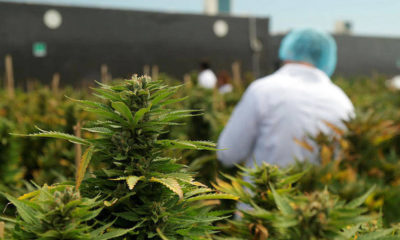

To put an end to the supply difficulties facing the Uruguayan recreational cannabis market, the country's authorities have decided to increase production. The Uruguayan Institute...
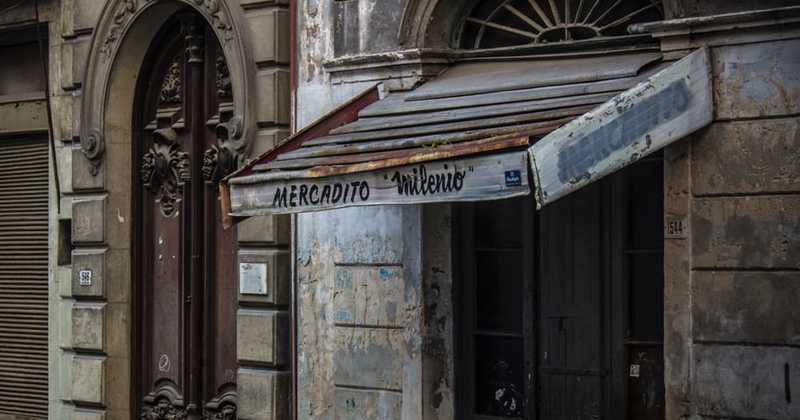
Uruguay was the first country in the world to legalize recreational cannabis consumption in 2013. However, supply problems continue to hamper the growth of the...




