3 things to remember from the UN World Drug Report 2022

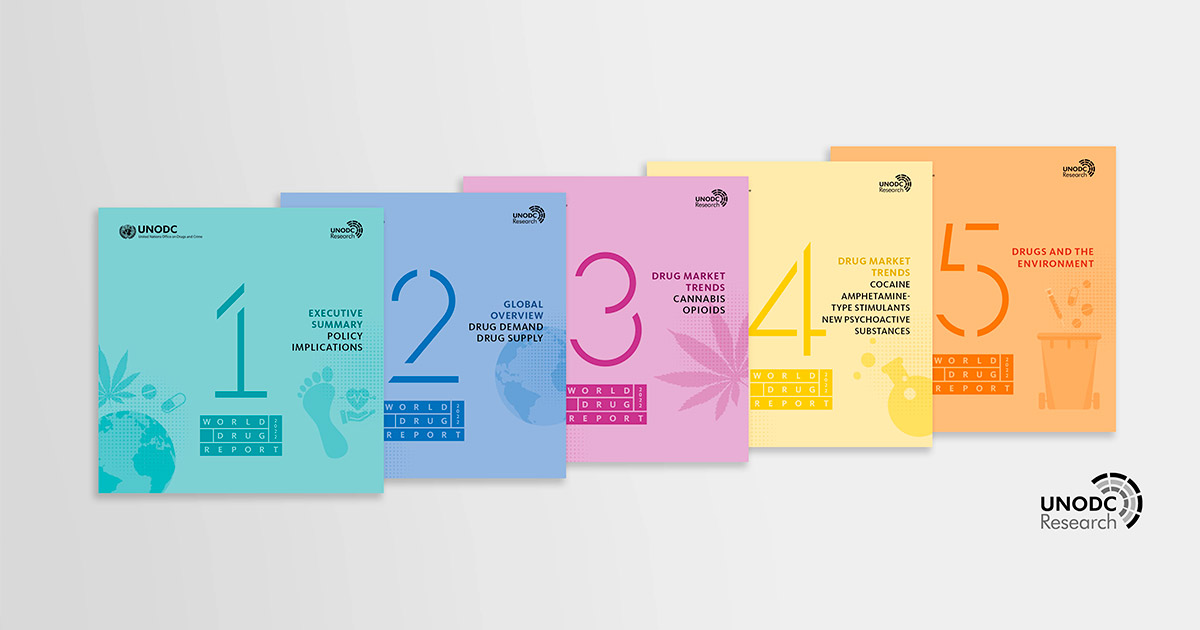
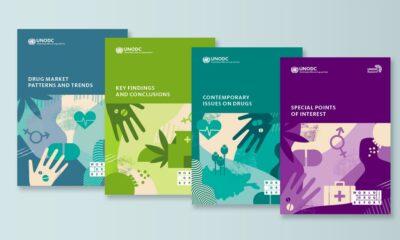
The United Nations Office on Drugs and Crime (UNODC) has published its World Drug Report 2022, which provides an in-depth analysis of the various legal and illegal world drug markets, and paints a comprehensive picture of the measurable effects and impact of the COVID-19 crisis and various legalizations.
He is also examining this year's the links between drugs and the goals of sustainable development, climate change and environmental sustainability. The report covers all drugs, but here we focus on cannabis.
Report highlights
Here are the main points concerning cannabis of this report.
Overall cannabis consumption on the rise
Cannabis remains the most widely used drug in the world. In 2020, more than 4 % of the world's population aged 15-64 (209 million people) had used cannabis in the past year. The prevalence of cannabis use in the past year increased by 8 %, compared with 3.8 % in 2010, while the number of people who used cannabis in the past year increased by 23 %, compared with 170 million in 2010, partly due to the increase in the world's population.
In the United States States that have or have not legalized, As in Canada and Uruguay, the trend is upward.
The report notes that «legalization itself does not explain the greater increase in cannabis use in states where cannabis has been legalized. In states that have legalized the non-medical use of cannabis, such as Colorado, cannabis use has traditionally been higher than the national average.»
Cannabis use among teenagers has increased in Uruguay, while it has either fallen or remained stable in the various US states and Canada.
The pandemic has benefited cannabis
No surprises here: the Covid pandemic and the various confinements have led to an increase in all uses of drugs, both legal and illegal. Cannabis trafficking has also weathered the crisis well, with seizures at an all-time high in 2020, a sign of increased police activity and possibly increased production.
In 2019 and 2020, reported growth in indoor cannabis cultivation appears to have again outstripped growth in outdoor cultivation globally, with the net number of countries reporting an increase in indoor cultivation three times greater than the net number of countries reporting a decrease in outdoor cultivation.
The cannabis seized is high in THC and low in CBD, confirming a trend in illegal markets in recent years, These are the reasons why we have been forced to produce fast and use potent varieties, in order to evade arrest as much as possible, or to reduce production areas while maintaining a similar level of pure THC production.
The black market retreats in the face of legalization
UNODC recognizes that various legalizations have an impact on the black market.
«Illegal cannabis markets still exist after legalization, but to varying degrees, in the different countries and jurisdictions that have legalized cannabis. In some countries, the size of the illegal market has decreased since the introduction of the new regulations», explains the report.
In addition, «the tax revenues from the legalized cannabis market continued to grow. A variable portion of these revenues was invested in the prevention of drug addiction and the treatment of drug-related disorders.»
















Medical Cannabis in Germany: THC Prices Vary by a Factor of 12

France already has 3,000 cannabis retail outlets. None of them are legal.

Morocco's exports of legal cannabis have expanded to 15 countries

Aurora Cannabis Doubles Its Production Capacity in Germany

Tilray is accelerating its operations in Europe thanks to a license in Portugal

Boston will host the 10th annual State of the Cannabis Industry Conference on October 26

A DEA report confirms that there are no fatal cannabis overdoses

A British patient is challenging the NHS's refusal to reimburse medical cannabis

October 2026 CBD Highlights: 10 Strains and Hash to Discover from 5 French Producers

CBD in France: Traceability, Retail Stores, THC and Driving… What the New Bill Proposes
-
 Business2 weeks ago
The legal cannabis market in New York exceeds 4 billion $ in revenue
-

 Cannabis in France3 weeks ago
Which countries legalized medical cannabis before France?
-
Business3 weeks ago
South Korea is preparing to begin local production of medical cannabis to meet rising demand
-
Cannabis in Thailand3 weeks ago
From the boom in dispensaries to a purely medical approach: Thailand is revising its cannabis policy
-
Cannabis and driving3 weeks ago
Medical Cannabis and Driving: New South Wales Ends Automatic Penalties for THC
-
Cannabis in Argentina4 weeks ago
Argentina Opens Its Market to Hemp Flowers Containing 1% of THC
-
Autism3 weeks ago
Autism and Cannabis: Results from the First Placebo-Controlled Trial of NTI164
-
Cannabis in France2 weeks ago
France’s Drug Policy Chief Defends Cannabis Prohibition... and Runs Into the Facts
















You must be logged in to post a comment Login