
Few countries have such a paradoxical relationship with cannabis as India. The plant has been intimately linked to Hindu culture and religion for millennia, associated with the god Shiva and consumed ritually in the form of bhang during festivals such as Holi, while at the same time, in its other forms, classified as one of the country’s most strictly controlled narcotics since 1985.
Illegal
Cannabis is illegal in India
Last checked: September 23, 2026
Where in the world is cannabis legal?✨ Newsweed AI is based on our articles and verified data.
The use of cannabis in India dates back to around 2000 BCE. For centuries, it was consumed for religious, medicinal, and recreational purposes without any particular restrictions, in three main forms: the bhang (leaves and seeds, often used to make beverages or sweets), ganja (flowering tops), and the charas (a type of hashish). The British colonial period marked the beginning of official regulation, notably with the report by the Indian Hemp Drugs Commission in the late 19th century.
Under international pressure and in the wake of the U.S.-led war on drugs, India adopted the Narcotic Drugs and Psychotropic Substances Act (NDPS Act), which remains the standard reference today. The law makes a fundamental distinction within the cannabis plant itself:
The penalties prescribed by law are graded according to quantity: up to one year of imprisonment and a fine for a small quantity (100 g of charas or 1 kg of ganja), and 10 to 20 years of imprisonment along with a substantial fine for a commercial quantity (1 kg of charas or 20 kg of ganja). The Narcotics Control Bureau is responsible for enforcing the law nationwide.
Because bhang does not fall under the NDPS definition of prohibited cannabis, its regulation is governed by the excise laws of each Indian state, creating a veritable legal patchwork. Licensed bhang shops operate openly in states such as Rajasthan, Uttar Pradesh, Madhya Pradesh, Bihar, Odisha, and Punjab—particularly during the Holi festival—while other states, such as Assam, ban it outright.
Furthermore, the medical and scientific use of cannabis remains permitted under a state license (Section 10 of the NDPS Act), and formulations made from cannabis leaves—particularly those used in AYUSH-approved Ayurvedic medicine (herbal teas, tablets, gum), are legally sold by prescription.
The debate over changes to the legal framework took on a new dimension in 2026. A lawsuit filed by the collective Great Legalization Movement India Trust prompted the Delhi High Court to order the federal government to engage in consultations with scientific, medical, and civil society stakeholders to assess whether the current restrictions under the NDPS Act should be relaxed. The Court has given the government six months to issue a formal policy decision, with a deadline set for July 2026—a potentially decisive milestone for the future of India’s cannabis legislation.
Find all the latest Newsweed coverage here on developments in the Indian legislative debate and judicial pressure in favor of reforming the NDPS Act.


The Indian drug regulatory authority, the Central Drugs Standard Control Organization (CDSCO), has approved an oral solution containing 150 mg/mL of CBD (15%) for the treatment of...


For the first time in over 50 years, the Indian government has granted public funding to a cannabis research project. The...


The Himachal Pradesh government has approved a pilot hemp cultivation project, recognizing its medical and industrial potential. The initiative, announced on...


Lawmakers in the Indian state of Himachal Pradesh recently passed an amendment to the state's Narcotic Drugs and Psychotropic Substances Act (NDPS) (1985),...

Home of the legendary temple balls and other exotic delights, Nepal could soon be back on the road to legal cannabis, as thinking has already turned...
A recent study conducted at Amity University in India has concluded that the legal status of cannabis should be re-examined, in light of existing research that...
Following a court ruling by the Himachal Pradesh High Court, the Indian state government has 8 weeks (from the date of...
The Indian state of Uttarakhand has just granted all the necessary permits to legally grow hemp. A first in India Since India banned the use of...
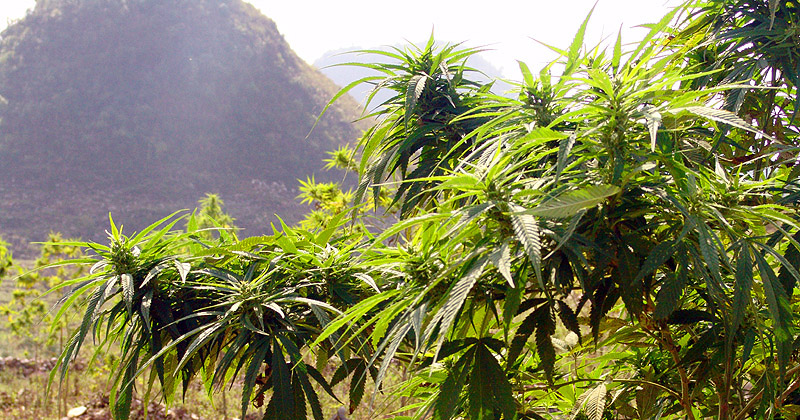
As 2017 draws to a close, a country that accounts for 18% of the world's population is moving very fast on cannabis, thanks in part to...
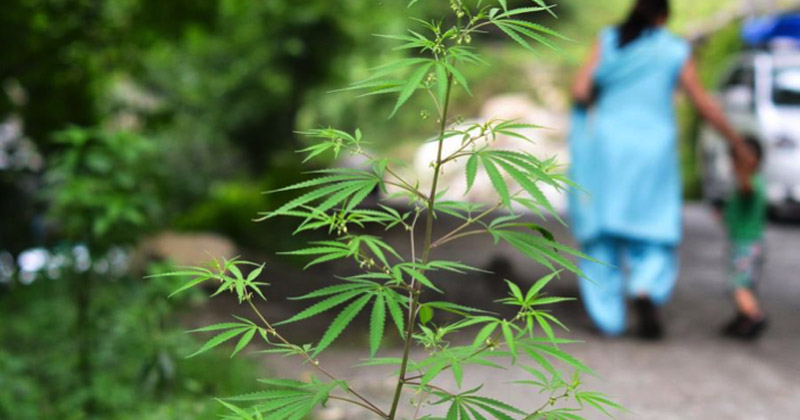
A bill to legalize cannabis in India will be presented to the Indian Parliament during the winter session. MP Dharamvira Gandhi, in...

Following the recent announcement by Women and Child Development Minister Maneka Gandhi, advocating the legalization of medical cannabis, India...

Maneka Gandhi, India's Minister of Women and Child Development, has proposed legalizing cannabis for medical purposes at a meeting with...
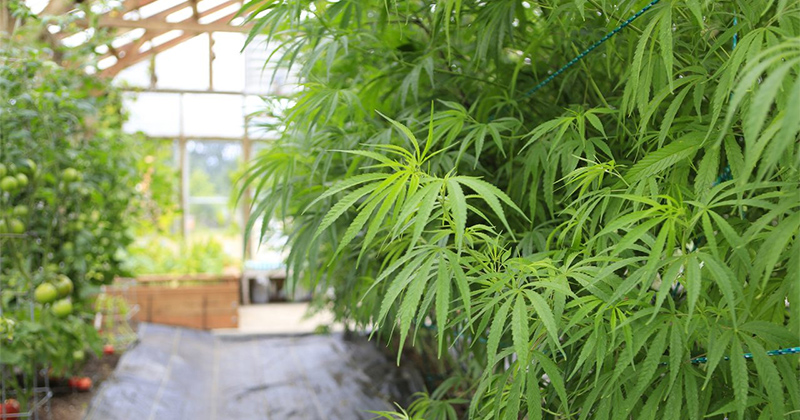
The legalization of cannabis is often accompanied by the right to self-cultivation. This varies from country to country, whether in terms of the number of authorized plants or...
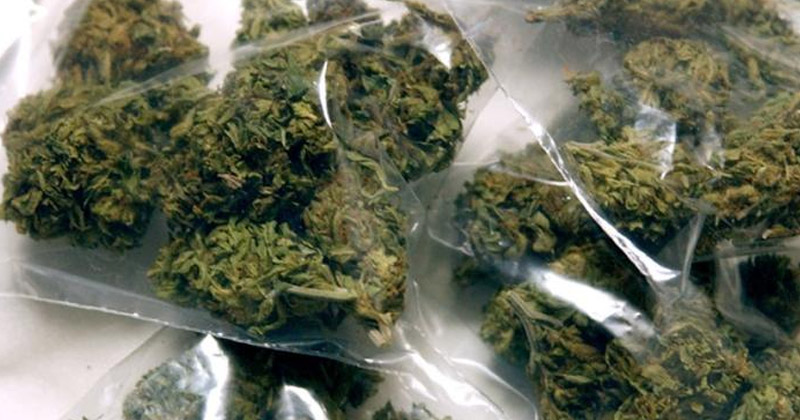
In Nagpur, India, rats have been blamed for the disappearance of 25 kg of weed and 25 bottles of alcohol. A case...


It's not just in Europe and America that the cannabis debate is taking hold. Today, we take a detour to India, where doctors and some politicians...
In an open, global market, the price of cannabis would be set like any other product: by the market, according to supply and demand...




