Cannabis in China
Cannabis is strictly prohibited in China: use, possession, and cultivation are punishable by law, with penalties for trafficking that can include the death penalty. Only industrial hemp containing less than 0.3 % of THC is permitted, under license in a few provinces, making China one of the world’s leading producers and exporters of hemp. Find all the latest news and laws on cannabis in China here.
Legal Status of Cannabis in China
Illegal
Cannabis is illegal in China.
Last checked: October 7, 2026
Where in the world is cannabis legal?Do you have a question about cannabis in China?
✨ Newsweed AI is based on our articles and verified data.
History of Cannabis in China
China is considered the birthplace of cannabis. Recent genetic research traces the plant’s origins to the northwestern part of the country, where local strains are most closely related to the original strain. Hemp has been cultivated there for millennia for its fiber, which was used to make clothing and rope, and for its seeds, which were used as food and medicine.
A treatise on pharmacology attributed to Emperor Shen Nung—which tradition dates back to 2737 BCE—likely contains the earliest mention of the uses of cannabis. Hemp seeds are still listed in the Chinese pharmacopoeia today, where they are used as a traditional medicine, particularly for constipation and certain blood disorders. For a long time, hemp was primarily a plant used for textiles and food, rather than for recreational purposes.
In the 20th century, China’s anti-drug policy—shaped by its history with opium—classified cannabis as a narcotic and made it a target of law enforcement. Today, this policy remains very strict, even as the country has established itself as one of the world’s largest producers of industrial hemp.
Cannabis Legislation in China
Recreational cannabis: prohibited, with very severe penalties
The Law on the Prohibition of Drugs and the Chinese Criminal Code classify marijuana—that is, products derived from the plant that contain significant amounts of THC—as a drug and prohibit its use in any form. It is prohibited to smuggle, traffic, transport, manufacture, or illegally possess drugs. Trafficking, transportation, and manufacturing are punishable regardless of the quantity. In serious cases, penalties range up to fifteen years in prison, life imprisonment, and even the death penalty, along with confiscation of property. The production, importation, and sale of recreational cannabis are prohibited.
Cultivation: prohibited, except in cases regulated by the government
The cultivation of plants used to produce narcotics, including cannabis, is generally illegal. Illegally cultivated plants are automatically destroyed, and offenders face imprisonment, detention, or judicial supervision, as well as a fine. Possession of seeds or non-inactivated seedlings of narcotic plants is also prohibited. Only companies designated by the government may cultivate mother plants of narcotic drugs for medical use, in accordance with current regulations, and their extraction, processing, and storage facilities are classified as sensitive security sites.
Medical cannabis
There is no medical cannabis program in China. Cannabis, resin, extracts, tinctures, dronabinol, delta-9-THC, and several synthetic cannabinoids are listed in the 2025 edition of the Catalog of Narcotics and Psychotropic Substances for Non-Medical Use. The main exception is cannabis seed, which is listed in the Chinese Pharmacopoeia as a traditional medicinal material.
Industrial hemp: permitted in certain provinces under license
Of all forms of cannabis, only hemp may be used for industrial purposes, in certain regions and subject to local regulations and licensing requirements. Provincial laws generally define it as cannabis containing less than 0.3 % of THC, which has no value for the extraction of the addictive substance or for direct use as a drug. It is used primarily as a textile material.
The cultivation and processing of industrial hemp are currently regulated in two provinces, the Yunnan and the Heilongjiang, which have included specific provisions in their anti-drug regulations. Businesses and individuals must obtain licenses there. Crops are also grown in other provinces, such as Gansu, which lack corresponding provincial regulations, exposing growers to regulatory risks. Recommended national standards have also been adopted, such as the standard for raw hemp (GB/T 16984-2023), which took effect on March 1, 2024. China ranks among the world’s leading producers and exporters of industrial hemp.
Food and Cosmetics
Industrial hemp seeds have been listed since 2002 as a substance that is «both food and medicine.» They are traditionally used to make oil, alcohol, herbal teas, and hemp seed porridge.
In the cosmetics industry, regulations are very restrictive. The 2025 version of the Cosmetic Ingredients Catalog, in effect since June 23, 2025, now classifies cannabis leaf extract, cannabis fruit, and cannabis seed oil as prohibited ingredients, and cannabidiol has been banned in cosmetics since 2021. Most cannabis-based ingredients commonly used abroad therefore cannot be used in cosmetic products sold in China.
News and Outlook
China combines a repressive policy toward cannabis with a central role in the global hemp industry. Key issues to watch include developments in regulations on industrial hemp beyond Yunnan and Heilongjiang, the status of CBD, and restrictions on cannabis-derived ingredients in cosmetics. Follow our News about cannabis in China See below for updates to the law.
Related searches
Cannabis in JapanCannabis in LebanonCannabis in NepalCannabis in the PhilippinesCannabis in IndiaCannabis in IsraelCannabis in MalaysiaCannabis in RussiaCannabis in ThailandLatest Cannabis News from China
-
 Business2 months ago
China's Yongji Health Takes Control of Tasmanian Botanics
Yongji Health, a Chinese company that is already a shareholder in Tasmanian Botanics, has completed the acquisition of the shares still held by the Australian producer’s original investors. A transaction worth...
-

 Business4 months ago
China Invests $10 Million in Medical Cannabis in Lebanon
A Lebanese-Chinese partnership hopes to give new momentum to the medical cannabis sector, which remains dormant in the country. After announcing a partnership in the...
-

 Hemp1 year ago
China and Italy give Kazakhstan the eye after it legalizes hemp
Kazakhstan's industrial hemp sector is attracting interest. In early September, the Kazakh government began negotiations with Chinese pharmaceutical giant Cheng Tian...
-

 Culture5 years ago
New study suggests that Cannabis was domesticated 12,000 years ago in China
While it's widely believed that cannabis originated on the Tibetan plateau, a new study published in the journal Science Advances suggests that East Asia...
-
 Business6 years ago
China may ban CBD in cosmetics
China's National Institute of Medicine and Food is proposing a ban on CBD, cannabis flowers, leaf extracts and seed oils in...
-
 Legalization of cannabis7 years ago
China blames North American cannabis legalization for the increase in cannabis trafficking on its territory
China, along with other Asian countries (Russia, Japan, South Korea), had already expressed concern about the impact of Canadian legalization on international trafficking. Now...
-
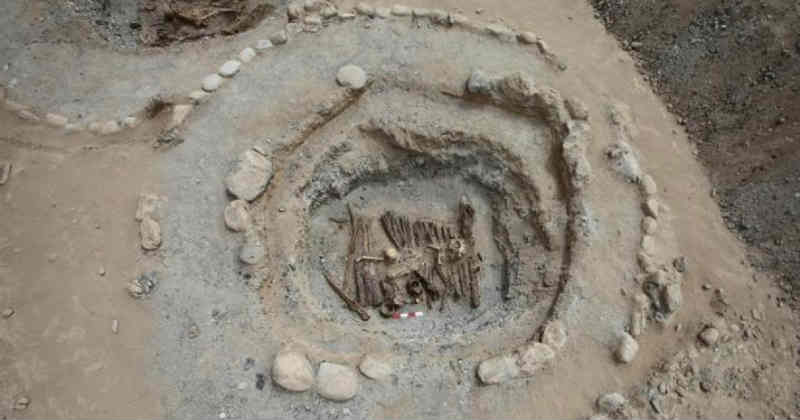 Recreational cannabis7 years ago
Cannabis was already used for its psychoactive properties 2,500 years ago
Cannabis has been used for thousands of years. Parts or traces of the cannabis plant have repeatedly been found on archaeological sites in Asia....
-
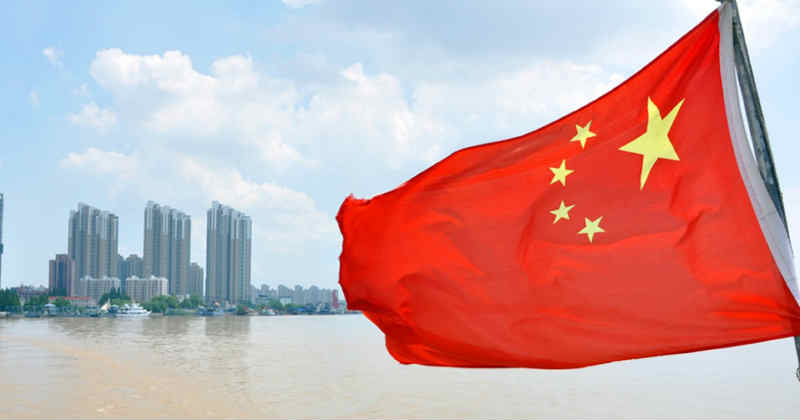 CBD8 years ago
Chinese companies start producing CBD for the global market
Demand for CBD is exploding in Europe and North America. In food and cosmetics, CBD is the new wellness trend. In Europe alone...
-
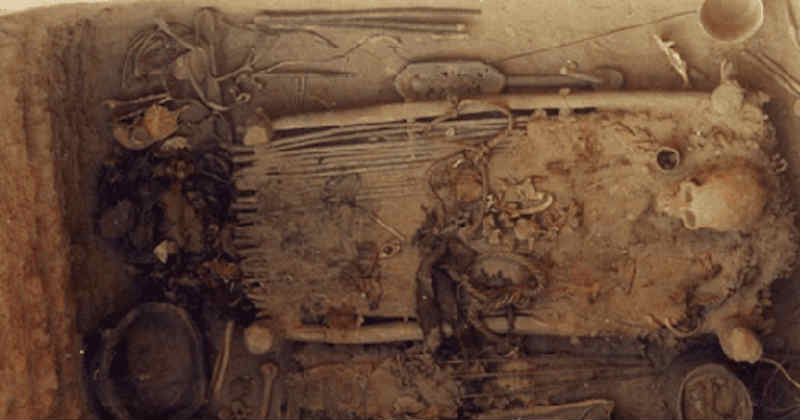 Recreational cannabis8 years ago
How old is the world's oldest weed?
Cannabis has been used as a medicinal remedy since ancient times. Chinese manuscripts mention the discovery of the plant's therapeutic virtues by...
-
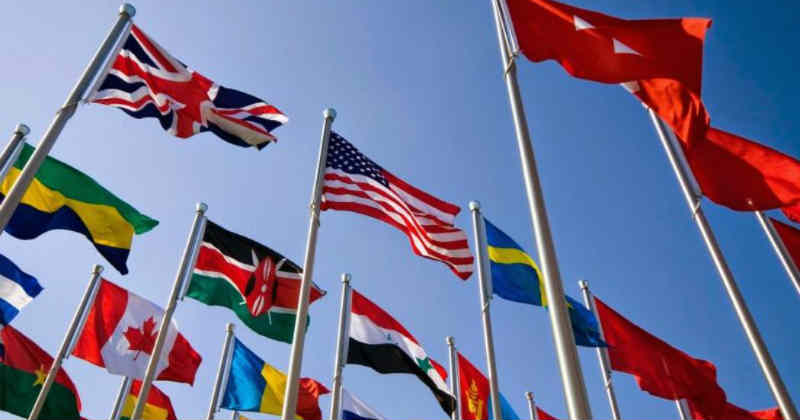 Cannabis in Canada8 years ago
Canadian legalization provokes discontent in the international community
The legalization of cannabis in Canada may give rise to a few ideas, but it clearly doesn't please everyone in the international community. At the...
-
 Business10 years ago
China invests in cannabis in the United States
China is making eyes at the American cannabis market, and more specifically at CBD, the legal component of cannabis in China and the United States. Open...




Proposition 215, 30 Years Later: When Cannabis in California Was a Movement, Not an Industry

Village Farms Expands Cannabis Production in the Netherlands while its European Business Jumps by 75%

Bedrocan's bankruptcy delays medical cannabis reform in the Netherlands

Where to Buy Affordable CBD in 2026? Our Tips for Making the Right Choice

"No authorization, no organic certification for CBD products," rules the European Court of Justice

Denmark Revises Medical Cannabis Prices Following Errors

Silent Seeds introduces its CB2 gummies: a new generation of THC-free wellness products

2,800-Year-Old Cannabis Seeds Discovered in Siberia

2026 U.S. Midterm Elections: A Major Victory for Cannabis Legalization
