Cannabis joints: definition, components and comparison spliff, blunt, pre-roll
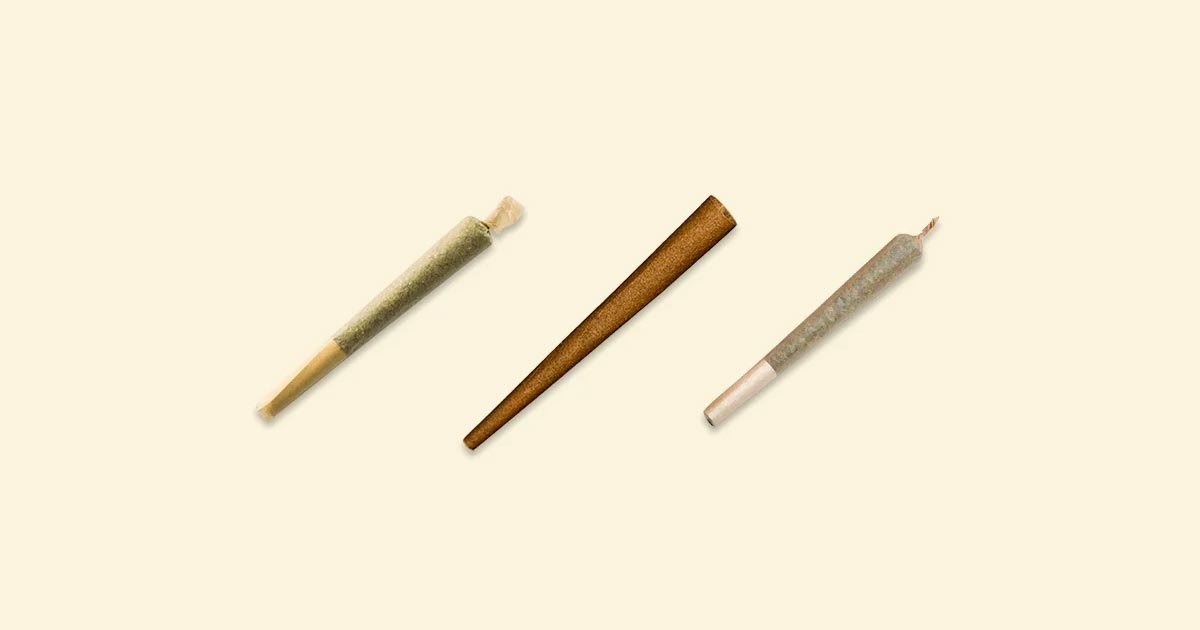
A seal is the most widespread form of cannabis consumption in the world, a hand-rolled conical cigarette made up of cannabis, a rolling leaf and a filter (or cardboard). Simple to prepare, discreet and accessible, the joint remains the mode of consumption of choice in France and most other French-speaking countries.
Joint, spliff, blunt, pre-roll: what are the differences?
These four terms refer to similar but distinct products that are often confused.
| Seal | Spliff | Blunt | Pre-roll | |
|---|---|---|---|---|
| Contents | Pure cannabis | Cannabis + tobacco | Pure cannabis | Pure cannabis |
| Paper | Rolling paper | Rolling paper | Tobacco leaf / cigar | Rolling paper |
| Filter | Yes (cardboard) | Yes (cardboard) | Rarely | Yes |
| Typical size | 0,5-1 g | 0,3-0,7 g | 1-2 g | 0,5-1 g |
| Popularity France | Very high | Very high | Average | Emerging |
The spliff is the most widely consumed form in France - a mixture of cannabis and tobacco, it is often confused with the pure joint. The distinction is clear in English-speaking countries, but less systematic in France, where «joint» is often used interchangeably.
The blunt is rolled in a tobacco leaf (from a hollowed-out cigarillo or purchased separately). More popular in the U.S. and hip-hop culture, it rolls larger quantities and burns more slowly.
The pre-roll is a joint pre-rolled by a manufacturer or dispensary, ready to smoke when purchased. On legal markets, they are often sold with indications of THC content and variety.
Joint components
The rolling sheet the rolling papers are available in a variety of materials (rice, hemp, wood pulp) and sizes (single, double, king size, slim). Rice or hemp leaves are preferred by connoisseurs as they don't alter the aromas of the cannabis. Transparent sheets (cellulose) are also available, but are less common.
Filter (cardboard) Also known as «tonc», «toncar» or simply «filter», it's made from thick paper or cardboard, rolled into a spiral or W/M shape at one end. It ensures better air circulation, prevents cannabis particles from passing into the mouth, reduces humidity at the end of the joint and prevents finger burns. Glass and wooden filters are available as alternatives.
Cannabis dried flowers, previously ground with a grinder for even combustion. You can also add kief or small quantities of hashish crumbled to increase power.
How to roll a joint
Newsweed has devoted a complete guide to this step: how to roll a joint. The main steps: grind the cannabis, prepare the filter, lay out the leaf, distribute the mixture, roll into a progressive cone, close and twist the end.
Seal vs. spray: what's the difference?
Burning a joint produces carbon monoxide and tars from the combustion of the plant material - independently of the cannabis itself. A spray heats the cannabis to temperatures below the point of combustion (160-220°C), releasing the cannabinoids and terpenes without smoke or tar. In terms of respiratory health, vaporization is considered far less harmful than combustion.
THC bioavailability is comparable between the two methods, but the effects of the vaporizer may differ slightly in profile: aromas are sharper, and the absence of tobacco (in the case of a joint/spliff) changes the perceived duration and intensity.
Side effects and how to manage them
Smoking too much in one session can have unpleasant effects: tachycardia, anxiety, red eyes (why cannabis makes your eyes red), dry mouth, feeling of uncontrolled take-off. If the effect exceeds your comfort zone, consult our guide to how to transfer the effect of a joint.








October 2026 CBD Highlights: 10 Strains and Hash to Discover from 5 French Producers

CBD in France: Traceability, Retail Stores, THC and Driving… What the New Bill Proposes

Organigram Enters the Race for Aurora Cannabis

Medical Cannabis: Augur Associates’ latest report provides an update ahead of the publication of the decrees

Golden Buds is relaunching its Nova High vape pens with a cannabinoid formula that’s out of the ordinary

Cannabis is now Canada's fifth-largest commercial crop

Bedrocan Finally Declared Bankrupt

After CBD, Can Wellness Exist Without Cannabinoids?

Uganda Launches a Cooperative Dedicated to Medical Cannabis

