


Blunt cannabis: definition, production and differences from joints
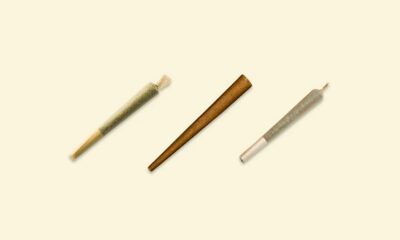
A blunt is a seal cannabis rolled in a tobacco leaf, either extracted from a hollowed-out cigar or cigarillo, or purchased in the form of a special rolling leaf (blunt wrap). Bigger than a traditional joint, slower-burning and with a strong tobacco aroma, the blunt is an icon of American hip-hop culture that has spread all over the world.
Why is it called a blunt?
The term originated with an American cigar brand, Phillies, one of whose models was simply called Blunt, wider than a cigarillo, machine-made, cheaper than hand-rolled. In the 1980s-1990s, cannabis consumers in the cities of the American Northeast began emptying these cigars of their tobacco and filling them with cannabis, thus creating the blunt as we know it. The term then came to refer to the format itself, regardless of brand.
Blunt vs joint vs spliff: the differences
| Blunt | Seal | Spliff | |
|---|---|---|---|
| Contents | Pure cannabis | Pure cannabis | Cannabis + tobacco |
| Envelope | Tobacco leaf | Rolling paper | Rolling paper |
| Nicotine | Yes (tobacco leaf) | No | Yes (blended tobacco) |
| Typical size | 1-2 g | 0,5-1 g | 0,3-0,7 g |
| Combustion | Slow | Standard | Standard |
| Taste | Tobacco, sweet | Pure cannabis | Cannabis + tobacco |
| Popularity | United States, hip-hop culture | Worldwide | Europe, France |
Tobacco leaf or hemp leaf?
On the market, two types of products are sold as «blunt wraps»:
Tobacco leaves (the original blunt): derived from cigar leaves, they provide nicotine, a characteristic sweet-tobacco aroma and a slow burn. Historically, the most popular brands: Swisher Sweets, Dutch Masters, White Owl, Backwoods.
Hemp leaves blunt: presented as a tobacco-free, nicotine-free alternative. Technically, they're not a «real» blunt by the original definition, but they provide a similar format without the nicotine exposure. They are becoming increasingly popular on the legal markets.
The distinction is important: if you want to avoid nicotine, opt explicitly for hemp leaves.
How much cannabis for a blunt?
In general, 1 to 2 grams are enough to fill a standard blunt wrap. Larger leaves (Backwoods, natural leaves) can accommodate more. Cannabis must be properly ground with a grinder for even combustion, unlike a joint, it doesn't need to be ground as finely because the tobacco leaf is thicker.
How to roll a blunt
Method 1, hollowed-out cigarillo Slit the cigarillo lengthwise with your fingernails or a blade, remove all the tobacco, moisten the leaf slightly to make it supple, fill with crushed cannabis, roll into a regular cylinder, lick the edge to seal, dry for a few seconds with a lighter from a distance.
Method 2, blunt wrap Unroll the sheet, lay out the cannabis in an even line along the length, leaving 1 cm free at each end, roll up, tightening gradually, lick the sticky edge, seal and dry lightly.
The key to a good blunt: don't overload it (it won't burn well) and seal the edges well to avoid openings during combustion.
Do blunts contain nicotine?
Yes, every tobacco leaf contains nicotine. A study published in Drug and Alcohol Dependence (2016) analyzed the wrappers of five popular brands and found total nicotine content ranging from 1.2 to 6.0 mg per envelope,This is less than a conventional cigarette (10-12 mg), but a real exposure. Nicotine from tobacco leaves is absorbed during combustion, even without inhaling tobacco directly.
For nicotine-free cannabis consumption in blunt format, hemp leaves are the only real alternative.
Blunts and dependence
The nicotine present in tobacco leaves is an addictive substance. Regular consumption of blunts can maintain or increase develop a dependency to nicotine, distinct from the relationship to cannabis itself. If you consume cannabis without tobacco and wish to maintain this dynamic, the blunt with tobacco leaf is not the most suitable format.








CBD is said to promote athletic recovery, without improving performance

294 cannabis clubs in Chile: a booming movement with uneven distribution

Chronic Sciatica: New York Approves First Clinical Trial of a THC-Based Medication

United States: The DEA is accelerating the integration of medical cannabis at the federal level

Florida is nearing one million patients using medical cannabis

Uruguay Revives Its Plan to Allow Tourists to Legally Access Cannabis

In Brazil, researchers are developing an innovative CBD eye drop

Autism: Medical Cannabis Is Linked to Reduced Anxiety

The $28 billion U.S. hemp market remains under threat

