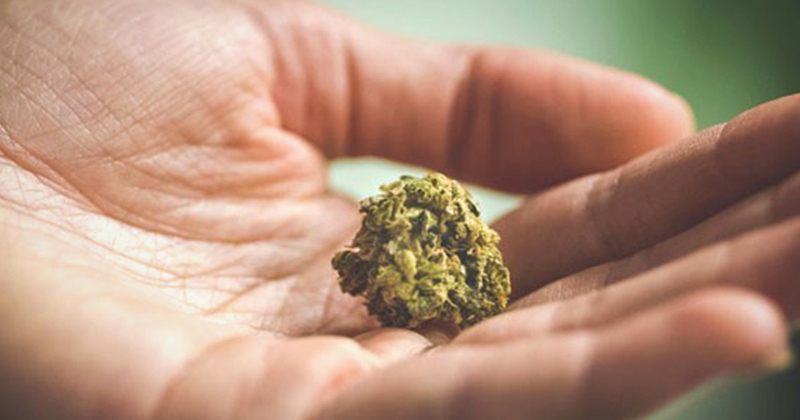
Cannabis microdosing: definition, doses and methods
The microdosing (or micro-consumption) of cannabis consists of consuming very small quantities of cannabinoids, generally between 1 and 5mg of THC, This is an approach that reverses the consumer's usual logic. It's an approach that reverses the consumer's usual logic: rather than seeking the maximum effect, we look for the minimum effect. minimum effective.
Why microdose?
Microdosing responds to a well-documented paradox of cannabis: at low doses, THC produces anxiolytic, analgesic and stimulant effects; at higher doses, it can cause the opposite effect: anxiety, paranoia, mental fog. This U-shaped dose-response curve is known as the’biphasic effect.
Microdosing enables us to stay at the lower end of this curve, where benefits are present and undesirable effects absent. This is particularly interesting for :
- Consumers who work or drive and want to stay functional
- Medical cannabis patients seeking discreet relief throughout the day
- THC-sensitive persons or beginners
- Regular consumers who wish to reduce their tolerance
How many mg for a microdose?
Generally accepted ranges :
| Usage | THC dose | Expected effect |
|---|---|---|
| Microdose | 1-2.5 mg | Subtle - slight mental clarity, relaxation |
| Low dose | 2.5-5 mg | Perceptible - relaxation, mild euphoria |
| Standard dose | 10-15 mg | Psychoactive - clearly felt effects |
| High dose | 20-50 mg | Intense - not recommended without established tolerance |
| CBD Microdose | 5-20 mg | Relaxation, anti-anxiety without psychoactivity |
These figures vary considerably according to each person's consumption pattern, individual tolerance, weight, metabolism and endocannabinoid receptor sensitivity.
Dr. Sulak's protocol: finding your optimal microdose
Dr. Dustin Sulak, a medical cannabis physician in Maine, has developed a widely adopted progressive titration protocol:
- 2-day abstinence to reset cannabinoid tolerance
- Day 3 consuming 1mg of THC and 1mg of CBD in tincture or oil (for precise measurement)
- Before each intake, score from 0 to 10: ease of breathing, body comfort, ability to feel gratitude.
- If no effect: increase by 1mg the next day and repeat.
- As soon as a difference is perceptible : the minimum effective dose is found
The aim is not to «get high»: it's to find the threshold at which cannabis subtly improves the state without disturbing it.
Microdosing methods
Not all consumption methods are equal when it comes to microdosing, and precision dosing is essential.
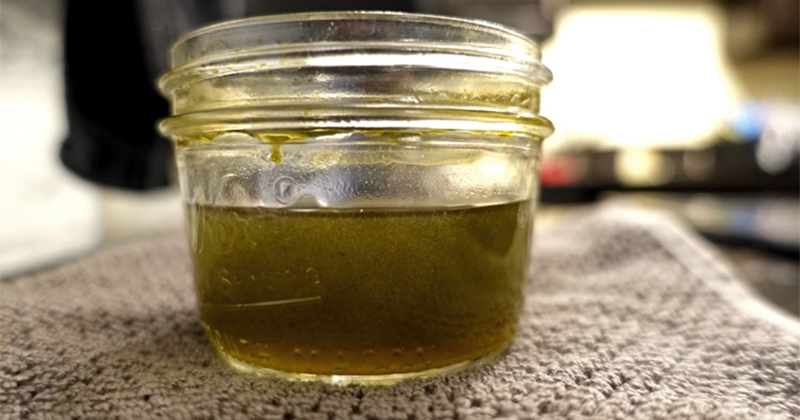
Sublingual tinctures and oils The ideal method. Dosage in millilitres is precise, onset is predictable (15-45 min), and duration of action is moderate (2-4h). This is the method recommended by most medical cannabis practitioners for microdosing.
Spray A puff at low temperature (160-170°C) represents a low, reproducible dose. The effect is almost immediate, which facilitates real-time adjustment.
Capsules and dosed edibles Precise if the product is correctly labeled (legal markets). Slow onset (30-90 min) and long duration (4-8h) make adjustment more difficult, risk of redosing too early.
Gasket or pipe Difficult to dose precisely, not recommended for strict microdosing.
Keep a microdosing diary
The key to successful microdosing is the traceability :
- Note dose (in mg), method, time of day
- Observe and record effects after 30, 60 and 120 minutes
- Assess mood, concentration, pain, anxiety on a scale of 1 to 10
- Adjust dose up or down according to results
After 2 to 3 weeks, a clear pattern emerges: the optimal dose stabilizes naturally.
Microdosing and tolerance
Unlike standard consumption, regular microdosing generates little or no tolerance if doses are kept really low. Some users experience tolerance breaks 1 to 2 days a week to maintain cannabinoid sensitivity, especially for daily users.





«Vincy Gold»: Humboldt Seed Company on the Hunt for Saint Vincent Sativas

Cronos Completes the Acquisition of CanAdelaar for 57.5 million euros

Cannabis with a "bloody" twist: Discover Sensi True Blood and Sensi Sangria, the two new strains from Sensi Seeds

Hemp: The Council of the EU Takes a Stand on New Production and Marketing Rules

Missouri's legal cannabis market accounts for 93 % of consumer spending

THC Gummies: How to Read a Certificate of Analysis Before Buying

British patients now have access to THCV-rich cannabis flowers

Spain: Medical Cannabis Is Coming to About 50 Hospitals

JIHE 2026: Japan’s Largest Trade Show Dedicated to Hemp and CBD Returns to Tokyo with More Than 100 Industry Players

