6 lessons from the pioneers of cannabis marketing

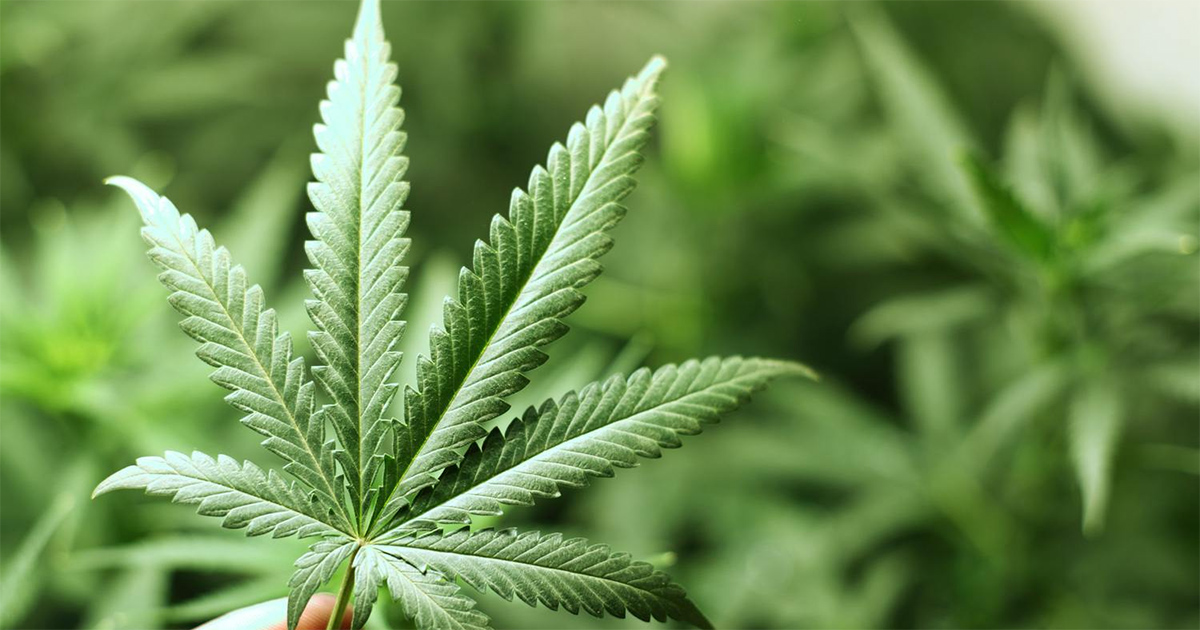
L’cannabis industry never resorted to professional marketing in the days of prohibition. For years, the Rasta cliché and the cannabis leaf were the de facto hallmarks of marijuana in the collective imagination, while packaging was reduced to cellophane discreetly passed from hand to hand.
But the development of the legal cannabis industry has awakened entrepreneurs, advertisers and designers. Estimated at $2.3 billion in 2014, the US cannabis market is growing faster than the smartphone industry. We're also seeing all kinds of things emerge around cannabis, from diamond-encrusted vapo to the weed-infused pet food, through to the cannabis lubricants. For designers and branding professionals, landing a budget from a marijuana business today can be very juicy, just like it is for automotive or alcohol brands.
What do marketers need to know about this emerging market? 4 experts from the cannabis marketing and its market have come together to give 6 lessons to be applied right now in the way we approach this smoky subject: David Bienenstock, a cannabis consultant and former High Times editor, Cheryl Shuman, a press agent and marketing consultant known as the Martha Stewart of cannabic branding (a well-known businesswoman in the USA), James Kennedy, founder of’Apothecanna, the first skincare company authorized to use cannabis extracts in its products, and Ryan Mungia, author of Pot Shots, a book about cannabis dispensaries in California.
Respecting the history of the cannabis industry
Many people have fought for years for a substance they wrongly believed to be demonized. «There's nothing more important than building trust,» says James Kennedy, founder of Apothecanna. «It starts with showing respect for the plant, for the customer, and respect for those who have fought hard to enable everyone to have this conversation.».
Companies that claim they can legitimize marijuana are simply denying the legacy left by those who have truly committed themselves to this fight, risking their freedom and exposing themselves personally to reprisals.
A good example of what not to do is that of Diego Pellicer. In May 2013, Jamen Shively, the former executive director of Microsoft, created Diego Pellicer, a company that claimed to become the Weed Starbucks. At a press conference, Shively declared that Diego Pellicer was already «the best-known brand in an industry that doesn't yet exist».
This statement drew much criticism from cannabis industry veterans, who dubbed Shively the «weed virgin». The cannabis industry has existed for decades, often in secret. Shively's clumsy approach is also dangerous for the consumer. Boasting that he can sell his products at 50$ per gram when the black market price is 10$ does nothing to help the legalization movement.
The target of the cannabis market doesn't look like Harold and Kumar
«Women are the secret to everything,» says Cheryl Shuman, a marijuana product advocate and entrepreneur. «I'm a mom in my 50s and I'm trying to make products that women want to buy,» she explains. After all, American women buying 85% products from home.
Shuman calls these active cannabis-smoking women «stiletto stoners». But the target audience for cannabis products is vast. Medical users range from sick grandparents to chronically ill children.
Bienenstock says that marketers will soon realize that they can cater to many different types of consumer. «When the product becomes fully accepted, like beer, you're going to see all kinds of brands, geared towards women, health-conscious people, and people who associate weed with being smoked fraudulently at parties.».
Luxury accessories near you
A legion of top executives are coming out of the cannabis closet in the USA today. This will create a market for luxury products, from expensive strains to original accessories.
Shuman plans to capitalize on this segment. «We're in the process of creating a vaporizer line called the Haute Vape: a 14-karat gold vapo encrusted with diamonds.« Rhinestone bangs for soccer moms might be taken as a joke, but Shuman believes in the meteoric development of luxury cannabis products.
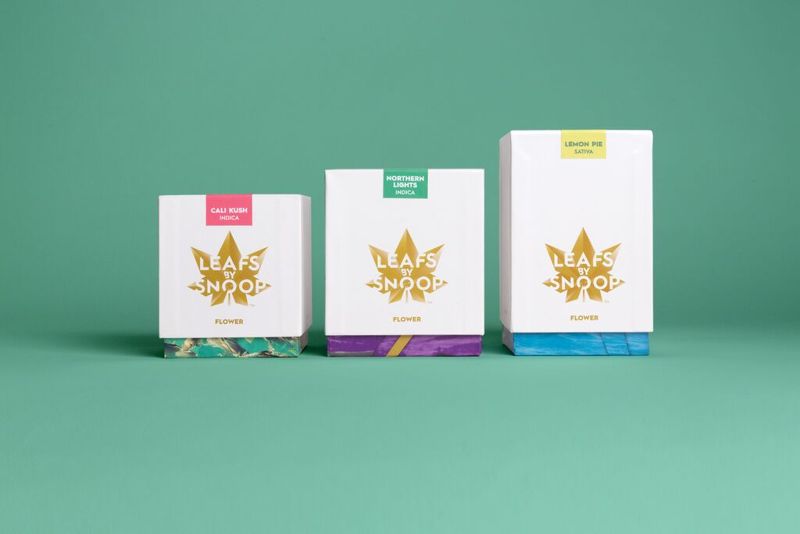
Celebrity support for weed brands will also take off once the plant is fully legalized. Some stars already support the cannabis legalization movement, and at the launch of Merry Jane, Snoop Dogg has announced that he'll be bringing in his celebrity friends, such as Seth Rogen and Miley Cirus, who are known for their love of cannabis. Snoop also sells his own brand of vapor, G Pen.
History and education are key
Educating inexperienced consumers may be the biggest hurdle for this new industry. «The cannabis market is extremely confusing territory when it comes to the benefits, quantities and use of the product,» says Kennedy.
Consumers may not understand dosing measurements, for example, or the difference between cannabinoids such as THC and CBD. The THC is the plant's psychoactive substance, the one that gets you high. Whereas CBD, or cannabidiol, is a non-psychoactive compound, but for which research has shown significant medical benefits, from the’stops the development of cancer cells at treatment of epilepsy.
When James Kennedy founded Apothecanna, he realized that most growers had never heard of products containing CBD, and used to relieve certain pains.
«The solution was to keep the product packaging clinical in appearance. Apothecanna's designers focused on keeping packaging explanations simple, so that customers could choose the products they needed themselves.
Don't talk about it as a vice
Highlighting the medical effects of research will boost any advertising campaign for cannabinoid products. «We're building brands like Monoprix,» says Shuman. «We're not talking about getting high and high, we're talking about wellness, healing and proper nutrition. If we discovered cannabis today in the Amazon, it would become the new fashionable substance.».
The medical side of the industry is, after all, where most promising innovations are created. In August 2013, Mary's Medicinal released the first THC transdermal patch. That same year, Dr. Bruce Bedrick introduced the MedBox, the first marijuana vending machine medical device. However, its use is a little different from that of Coca Cola dispensers: the device is only operated by authorized personnel, with fingerprint detection.
Involving architects in the design of dispensaries
The days of dark, discreet dispensaries are over. In San Francisco, the SPARC, a dispensary known as the Apple Store of weed, won an architecture award in 2011. Designated by a high-end architectural firm, its modern facade and open interior really stand out from the surrounding stores.
Ryan Mungia took a look at the’aesthetic evolution of marijuana stores in his free Pot Shots «As cannabis becomes more and more popular, I imagine more dispensaries will now employ architects and interior designers to provide their customers with a pleasant and legitimate setting for what many people today still consider a questionable industry.
The Farmacy is another example in Los Angeles. Each of its stores has a personalized logo, and sells product lines ranging from cold remedies to beauty creams, vegetarian space food or acupuncture services. While other stores continue to rely on stoner iconography, others attempt to add aestheticism to dispensaries.
The possibilities are endless
Visualize whisky-infused shampoos, a line of tobacco cookies or spraying your dog's kibble with tequila. You'll realize the gulf that separates cannabis from the other products it's often compared to. And yes, some companies sell medical cannabis for neurotic pets.
Unlike tobacco and alcohol, the cannabis plant can be used medicinally and recreationally. It can be woven into clothing or added to skin-care creams. It can be smoked, eaten, vaporized, through diamond-encrusted or 3D printed.
So where do new business concepts stop? And the need for branding? We'll let you find your answer 😉





Medical Cannabis in Germany: THC Prices Vary by a Factor of 12

France already has 3,000 cannabis retail outlets. None of them are legal.

Morocco's exports of legal cannabis have expanded to 15 countries

Aurora Cannabis Doubles Its Production Capacity in Germany

Tilray is accelerating its operations in Europe thanks to a license in Portugal

Boston will host the 10th annual State of the Cannabis Industry Conference on October 26

A DEA report confirms that there are no fatal cannabis overdoses

A British patient is challenging the NHS's refusal to reimburse medical cannabis

October 2026 CBD Highlights: 10 Strains and Hash to Discover from 5 French Producers

CBD in France: Traceability, Retail Stores, THC and Driving… What the New Bill Proposes
-
 Business2 weeks ago
The legal cannabis market in New York exceeds 4 billion $ in revenue
-

 Cannabis in France3 weeks ago
Which countries legalized medical cannabis before France?
-
Business3 weeks ago
South Korea is preparing to begin local production of medical cannabis to meet rising demand
-
Cannabis in Thailand3 weeks ago
From the boom in dispensaries to a purely medical approach: Thailand is revising its cannabis policy
-
Cannabis and driving3 weeks ago
Medical Cannabis and Driving: New South Wales Ends Automatic Penalties for THC
-
Cannabis in Argentina4 weeks ago
Argentina Opens Its Market to Hemp Flowers Containing 1% of THC
-
Autism3 weeks ago
Autism and Cannabis: Results from the First Placebo-Controlled Trial of NTI164
-
Cannabis in France2 weeks ago
France’s Drug Policy Chief Defends Cannabis Prohibition... and Runs Into the Facts

















Jacko
November 2, 2015 at 12 h 24 min
Guys are in the future, France in the Middle Ages...