California unifies its hemp and cannabis regulations

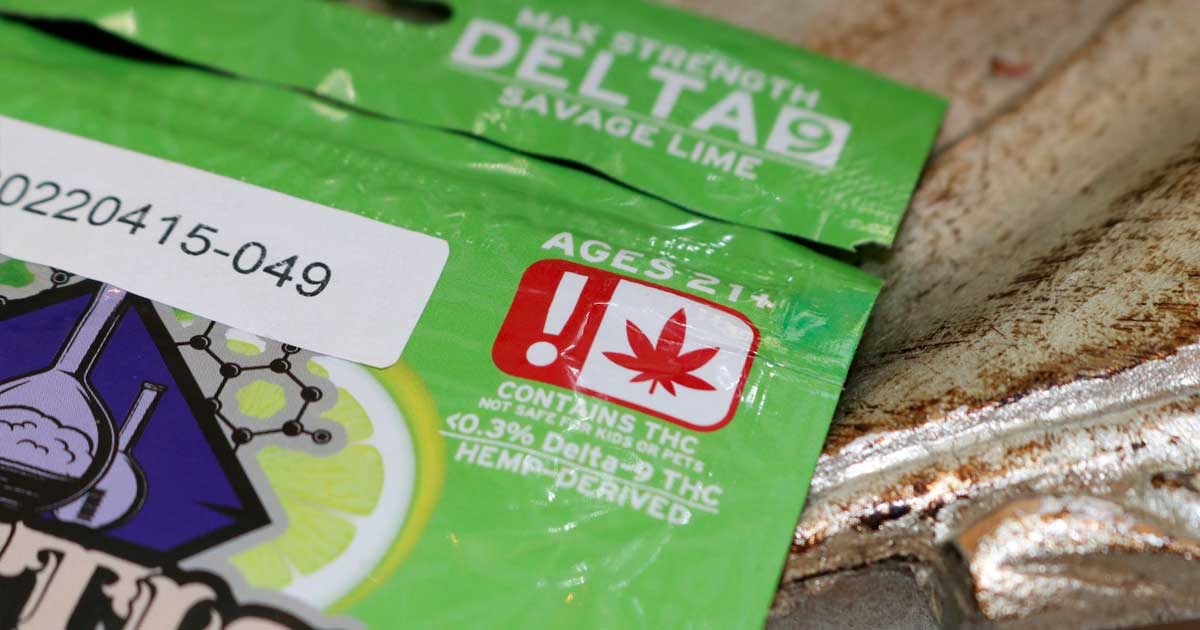
The governor of California Gavin Newsom signed the bill 8 (AB 8), legislation that merges the regulations relating to the hemp and cannabis within a single legal framework. This measure is designed to protect consumers, close legal loopholes exploited by unregulated players and support a struggling legal market overshadowed by illegal competition.
Proposed by Assembly Majority Leader Cecilia Aguiar-Curry, AB 8 marks a turning point in California's treatment of intoxicating cannabinoids derived from hemp. For the first time, products containing THC derived from hemp will be integrated regulated cannabis market de l'Etat, which already regulates the sale of cannabis for medical and adult use.
«We continue to prioritize the safety of all Californians,» said Gov. Newsom in a press release. «For too long, nefarious hemp manufacturers have exploited loopholes to make their psychoactive products easily accessible to our most vulnerable communities. That stops today.»
From emergency bans to comprehensive regulations
The new law follows a turbulent period for hemp growers in California. In 2024, the governor imposed emergency regulations banning all hemp-based products containing detectable quantities of THC. The decision, designed to curb the spread of unregulated intoxicants, drew strong criticism from hemp growers, who said it would devastate the market.
Today, Bill AB 8 represents a rebalancing of this approach. It authorizes the sale of hemp-based psychotropic products that comply with strict safety and labeling standards, exclusively in cannabis dispensaries subject to the same age restrictions, tests and traceability requirements than traditional cannabis products.
Under the new system, all psychoactive cannabinoid products, All products, whether derived from hemp or cannabis, will be treated equally under state law. This includes cannabinoids such as Delta-8 THC, which had been in a regulatory grey zone since the 2018 Farm Bill legalized hemp at federal level, without specifying its psychoactive derivatives.
Protecting young people and guaranteeing consumer safety
According to the Deputy Aguiar-Curry, The bill is the fruit of years of collaboration with the governor's administration and the agencies of such as the Department of Cannabis Control (DCC). The main objective: to bring coherence and security to a fragmented market.
«Malicious actors have abused state and federal laws to sell hemp-based psychotropic products in our state,» said Aguiar-Curry. «As the author of the legislation that authorized the legal sale of non-intoxicating hemp CBD products, this is absolutely unacceptable. Our first mission is to protect our children and our communities. With this bill, we will have responsible regulation, strengthen enforcement and support the legal cannabis businesses in difficulty in the face of criminal competition».»
Legislation also prohibits the sale of synthetic cannabinoids and inhalable hemp products, which have been widely criticized for their inconsistent power and safety issues. What's more, the raw hemp extracts will be subject to restrictions on their incorporation into food and beverages, This limits the potential health risks associated with untested products.
Application and implementation
Beyond consumer protection, AB 8 strengthens the enforcement powers of state and local authorities. It grants agencies the ability to inspect, seize and destroy illegal cannabinoid products, whether sold by unlicensed retailers or online. New enforcement tools will also be available to combat illegal distribution networks that continue to undermine licensed operators.
A Senate analysis on the bill highlighted these expanded powers, pointing out that AB 8 would give local jurisdictions greater authority to control unregulated sales of hemp and cannabis, a problem that affects the California legal market since legalization in 2016.
The main provisions of AB 8 will only come into full effect in january 2028, This gives regulators and companies time to adapt. The transition period should be crucial for small-scale hemp producers, who must now decide whether to join the regulated cannabis system or turn to non-intoxicating markets.
A broader shift in U.S. hemp policy
California's decision comes as part of a broader national debate on the products with THC derived from hemp. Several American states, from Minnesota to the Florida, have taken measures to regulate or prohibit the Delta-8 THC and other hemp cannabinoids with psychoactive effects, citing safety concerns and youth access to these products.
Visit Texas, For example, a proposal to ban THC-containing hemp products failed for the second time in the state legislature earlier this year, although the governor Greg Abbott then signed an emergency decree introducing age and labeling restrictions on hemp-based consumables.
By contrast, the integrated California could serve as a potential model for other jurisdictions striving to strike a balance between consumer safety, thefairness in the industry and the regulatory clarity. By treating all psychoactive cannabinoid products within a unified framework, the state aims to eliminate the confusion that has reigned on the market since hemp was legalized at the federal level






















Medical Cannabis in Germany: THC Prices Vary by a Factor of 12

France already has 3,000 cannabis retail outlets. None of them are legal.

Morocco's exports of legal cannabis have expanded to 15 countries

Aurora Cannabis Doubles Its Production Capacity in Germany

Tilray is accelerating its operations in Europe thanks to a license in Portugal

Boston will host the 10th annual State of the Cannabis Industry Conference on October 26

A DEA report confirms that there are no fatal cannabis overdoses

A British patient is challenging the NHS's refusal to reimburse medical cannabis

October 2026 CBD Highlights: 10 Strains and Hash to Discover from 5 French Producers

CBD in France: Traceability, Retail Stores, THC and Driving… What the New Bill Proposes
-
 Business2 weeks ago
The legal cannabis market in New York exceeds 4 billion $ in revenue
-

 Cannabis in France3 weeks ago
Which countries legalized medical cannabis before France?
-
Business3 weeks ago
South Korea is preparing to begin local production of medical cannabis to meet rising demand
-
Cannabis in Thailand3 weeks ago
From the boom in dispensaries to a purely medical approach: Thailand is revising its cannabis policy
-
Cannabis and driving3 weeks ago
Medical Cannabis and Driving: New South Wales Ends Automatic Penalties for THC
-
Autism3 weeks ago
Autism and Cannabis: Results from the First Placebo-Controlled Trial of NTI164
-
Cannabis in France2 weeks ago
France’s Drug Policy Chief Defends Cannabis Prohibition... and Runs Into the Facts
-
CBD1 week ago
In Brazil, researchers are developing an innovative CBD eye drop

















You must be logged in to post a comment Login