
Los Angeles Approves a New Tax on Illegal Cannabis Dispensaries

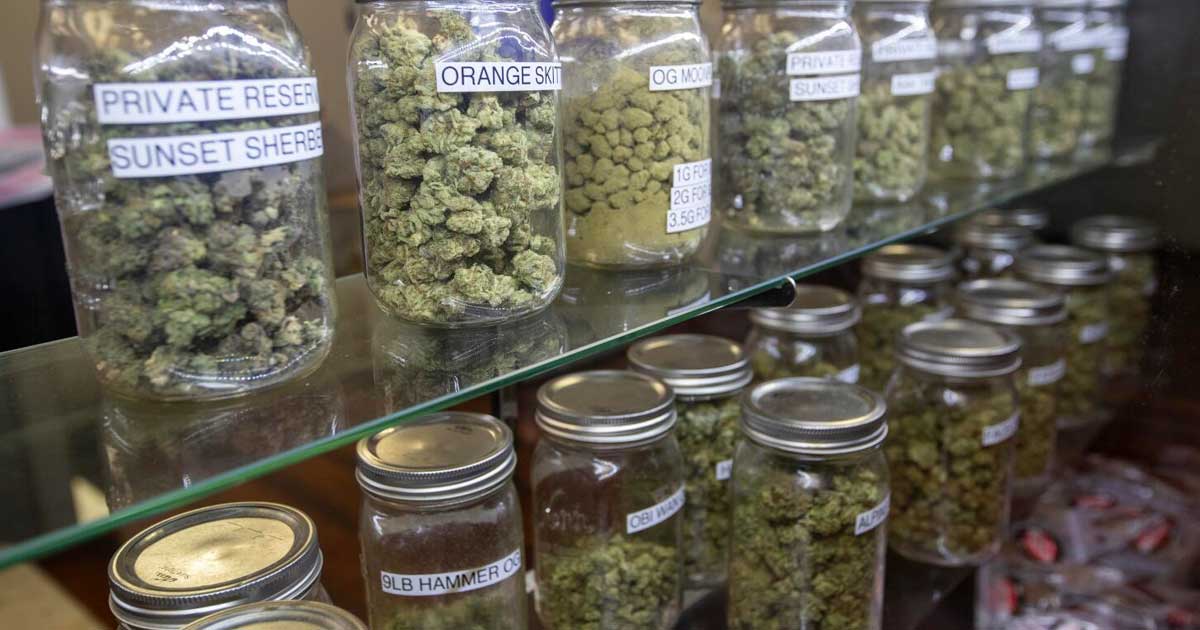
Residents of Los Angeles have approved a measure to tax illegal cannabis dispensaries, in a new effort—which seems strange from our perspective—to combat the illicit market.
In the June 2026 primary elections, voters approved the CB measure with 72% of the vote, requiring illegal cannabis operators to pay the same local taxes as licensed businesses.
The measure extends the city’s current tax structure for cannabis businesses to all operators, regardless of whether they hold the necessary licenses. Under the new rules, cannabis sales will be subject to a 10% tax, medical cannabis sales to a 5% tax, and cultural activities subject to a 2% tax.
If it is officially approved, the measure is expected to take effect later this summer.
City officials estimate that this new policy could generate between $25 million and $35 million a year, thereby providing additional funding for public services such as emergency response, park maintenance, and infrastructure projects.
A divided cannabis industry
While supporters argue that this measure helps create a more equitable market, many licensed cannabis entrepreneurs see things differently.
For business owners who have spent years navigating California’s complex regulatory framework, this decision is a source of frustration. Legal businesses are required to comply with numerous licensing, testing, and tax obligations, and are often face a heavy tax burden combined at the state and local levels, amounting to nearly 40%.
Among the critics is cannabis entrepreneur Roni Melton, founder of Zapata Cannabis Company and a participant in the Los Angeles social equity program. Melton argues that taxing unlicensed businesses risks legitimizing operators who have avoided the costs and requirements imposed on licensed businesses.
“We have to go through state approval, city approval, get municipal permits, pay rent—all that hassle—just to get the business up and running,” Melton told NBC Los Angeles.
Melton, who claims to have invested more than $20,000 of his own money in his business, believes the city should focus on shutting down illegal operators rather than creating a system that could allow them to continue operating while paying taxes.
Another entrepreneur, Amber Nicole, owner of Kijani Leaf, echoed these concerns after investing at least $250,000 in her business.
“They’ll never have to go through what we went through,” said Nicole.
For many legal operators, this is a particularly sensitive issue because obtaining a license in Los Angeles can take years, while illegal competitors often continue to serve their customers without facing the same regulatory constraints.
Can taxation and law enforcement coexist?
Supporters of the CB measure reject the notion that this policy would legitimize illegal businesses. On the contrary, they argue that imposing taxes on all operators in the cannabis sector helps reduce the competitive advantage enjoyed by unlicensed stores, while reinforcing the city’s commitment to regulation.
Adrin Nazarian, a member of the Los Angeles City Council, stated that the city could not afford to let illegal operators continue their activities without consequences.
“This isn’t really going to paint the city in a good light; it won’t attract investment,” said Mr. Nazarian. “And it will only create an even more chaotic system, if it has any effect at all.”
Supporters also point to the continued presence of a a vast illicit market in Los Angeles. According to city officials, there may be at least as many unlicensed cannabis stores operating within the city limits as there are licensed ones.
Complaints related to illegal cannabis businesses have also increased in recent years, highlighting the challenges faced by regulators trying to control the market.
Enforcement remains the biggest challenge
Despite voter approval, questions remain about how the city will actually collect taxes from businesses that are already operating outside the law.
Officials from the Los Angeles Department of Finance have acknowledged that enforcing the law could prove difficult. Identifying the owners of illegal cannabis businesses is often complicated, particularly when certain operations are linked to shell companies or fraudulent identities.






















French medical cannabis remains stalled at the Ministry of Health

Things are heating up between Sherbinski and Doja

Cookies Ordered to Pay $61.5 Million in a Dispute with Its Investors

Frenchfarm is launching its B1G1 clearance sale + free gift

Czech Republic: CBD shops selling synthetic cannabinoids are in the police's crosshairs

Cannabis and CBD: French Drivers Can Now Lose Their License Even Without a Positive Test Result

Could CBN protect the aging brain? Scientists uncover a promising new mechanism

In Haute-Savoie, a town is trying to combat drug trafficking… with posters

3 French Companies Betting on Cannabis… Abroad

Nature Lab: The Alsatian brand that’s reinventing the CBD store, from Saint-Louis to Mulhouse and throughout France
-
 Cannabis and driving5 days ago
Cannabis and CBD: French Drivers Can Now Lose Their License Even Without a Positive Test Result
-
Cannabis in France1 week ago
Cannabis Legalization: The LFI Bill Has a Major Problem—THC
-
Cannabis in Europe2 weeks ago
Andorra Paves the Way for Medical Cannabis Cultivation
-
Cannabis in France2 weeks ago
Drought: Could Hemp Become the New Hope for French Farmers?
-
Cannabinoids1 week ago
What if CBD enhanced the effects of THC? A comprehensive analysis challenges a common misconception
-
Cannabis in the U.S.2 weeks ago
United States: Congress Rejects Ban on THC Derived from Hemp
-
Cannabis in Quebec2 weeks ago
Cannabis in Quebec: The 21-Year-Old Age Requirement in the Spotlight
-
Cannabis in the U.S.2 weeks ago
Medical cannabis: A U.S. study finds a 6.9% reduction in absences from work















You must be logged in to post a comment Login