Argentina reopens the cannabis legalization debate

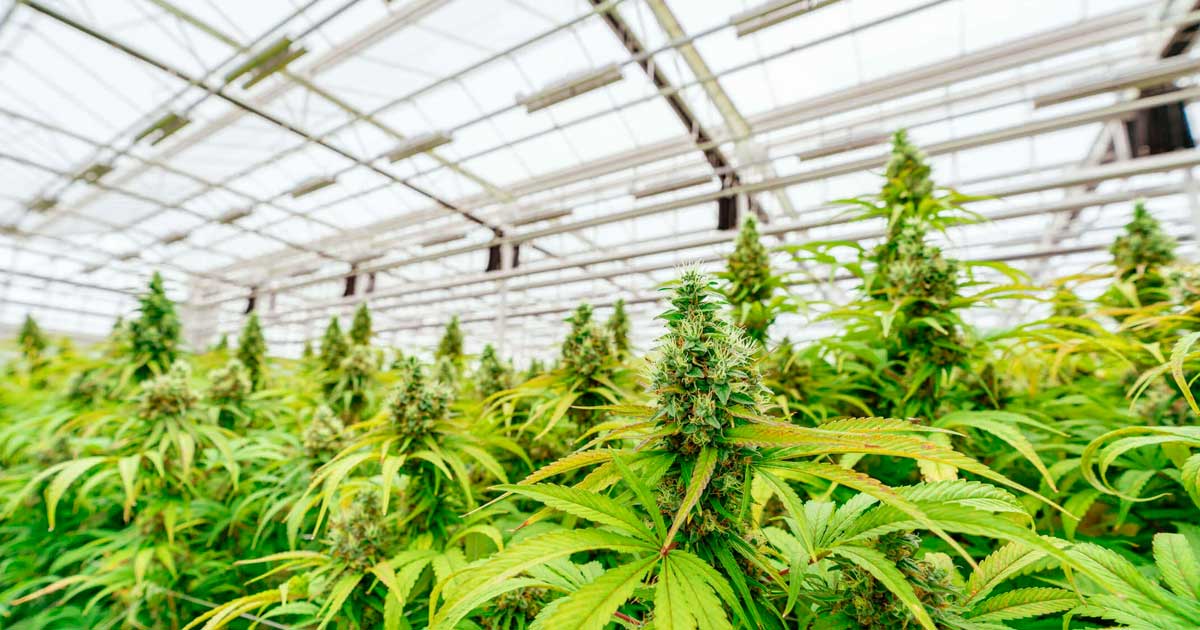
The debate on legalization of cannabis in Argentina is back on the national political agenda following the presentation of a bill that would establish a comprehensive legal framework for the plant and its derivatives. The proposal aims to go beyond the country's current prohibitionist model and create a regulated system covering cultivation, production, storage, distribution and sale throughout the country.
According to the initiative's supporters, Argentina's existing drug laws, which have remained virtually unchanged since the late 1980s, have failed to significantly reduce illicit trafficking or eliminate the black market. The new proposal aims to replace criminalization with regulation, while introducing measures for public health, research and economic development.
Home growing, social clubs and regulated sales
A central element of the bill is the legalization of culture at home for personal use. Under the proposed framework, individuals and groups growing cannabis for their own consumption would not be required to register with the authorities.
Commercial activities, on the other hand, would be subject to stricter regulation. Producers and retailers would have to comply with licensing requirements and quality standards set by the state. Regulatory agencies would oversee product registration, composition testing and consumer safety checks.
The proposal also provides for the creation of cannabis social clubs, These are non-profit organizations that enable their members to collectively cultivate cannabis within a transparent, regulated framework. Similar models already exist in several countries, including neighboring Uruguay, and have become an important part of regulated cannabis markets.
Expanding medical access and scientific research
The bill goes beyond the legalization of recreational use by strengthening the provisions relating to medical marijuana. It aims to improve access for patients benefiting from professional recommendations for cannabis-based treatments and encourages greater availability of cannabis-derived products for therapeutic purposes.
Research and innovation are also key pillars of the proposal. Universities, research institutes and specialized organizations would be encouraged to collaborate on projects exploring the plant's medical, agricultural and industrial applications.
This focus on research builds on the advances already made in Argentina in recent years. Since 2019, the country has gradually expanded its medical cannabis regulatory framework, including government-backed initiatives to support scientific research and industry development. In 2020, a presidential decree enabled patients to participate in a government program allowing them to grow their own medicine, while a law adopted in 2022 established a broader framework for the national cannabis industry and export opportunities.
Economic and environmental opportunities
Supporters of this measure point out that a cannabis industry could generate significant economic benefits. Legalization could attract investment, create jobs and stimulate new sectors linked to biotechnology, agriculture, the pharmaceutical industry and scientific research.
Defenders also point to the potential environmental benefits. Integrating cultivation into the legal economy could improve monitoring of farming practices and reduce the environmental impacts often associated with unregulated production. Regulation would also improve product traceability and quality control, reducing the risks associated with products of unknown origin circulating on the illicit market.
The proposal also includes public education and awareness campaigns focusing on prevention, risk reduction and evidence-based information rather than punitive approaches.
An uncertain political outlook
Despite renewed attention, the future of the bill remains uncertain. Argentina's cannabis policy has evolved considerably over the past decade, but legalizing recreational use would represent a major policy advance beyond the country's current framework for medical and industrial cannabis.
If approved, Argentina would become the second largest country in South America, after Uruguay, to legalize recreational cannabis nationwide.
























Hemp: The Council of the EU Takes a Stand on New Production and Marketing Rules

Missouri's legal cannabis market accounts for 93 % of consumer spending

THC Gummies: How to Read a Certificate of Analysis Before Buying

British patients now have access to THCV-rich cannabis flowers

Spain: Medical Cannabis Is Coming to About 50 Hospitals

JIHE 2026: Japan’s Largest Trade Show Dedicated to Hemp and CBD Returns to Tokyo with More Than 100 Industry Players

New Caledonia: The Courts Clear the Way for the Return of CBD

The Brazilian medical cannabis market continues to grow

Morocco: Three Cannabis-Based Medications Approved for the Treatment of Epilepsy

Canopy Growth Receives New EU-GMP Certification to Strengthen Its Presence in Europe
-
 Business2 weeks ago
The legal cannabis market in New York exceeds 4 billion $ in revenue
-

 Cannabis in France4 weeks ago
Which countries legalized medical cannabis before France?
-
Cannabis in France6 days ago
France already has 3,000 cannabis retail outlets. None of them are legal.
-
Business4 weeks ago
South Korea is preparing to begin local production of medical cannabis to meet rising demand
-
Cannabis in the U.S.7 days ago
A DEA report confirms that there are no fatal cannabis overdoses
-
Cannabis in Thailand4 weeks ago
From the boom in dispensaries to a purely medical approach: Thailand is revising its cannabis policy
-
Cannabis and driving4 weeks ago
Medical Cannabis and Driving: New South Wales Ends Automatic Penalties for THC
-
Cannabis in France3 weeks ago
France’s Drug Policy Chief Defends Cannabis Prohibition... and Runs Into the Facts

















You must be logged in to post a comment Login