Antigua relies on a public-private partnership for cannabis cultivation

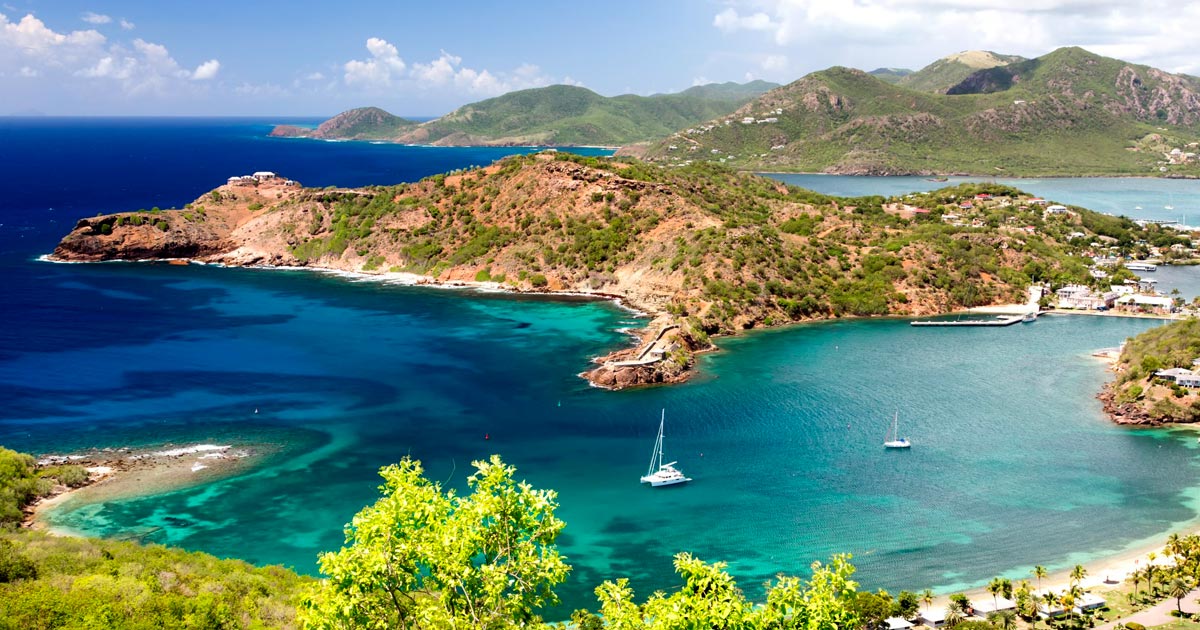
The cannabis industry in the twin-island nation of Antigua and Barbuda is about to get underway, and with a twist, a public-private partnership that could serve as a model for other Caribbean nations.
This month, two years after voting for the legalization of medical cannabis, legal cannabis cultivation is ready to start in the country.
Last month, the Medicinal Cannabis Authority issued its first license to legally grow medical cannabis to GROW Antigua & Barbuda, a public-private partnership that includes the government, the Rastafarian community and private companies.
GROW's hybrid ownership model, which attempts to strike a balance between social equity and industry strategy, grants Itopia Life, one of Jamaica's largest national cannabis companies, a 51 % stake in the integrated seed-to-sale company. Rastafari Food For Life, a company owned and incorporated by members of the Rastafari community, will hold 25%, and the state-owned National Assets Management Company (NAMCO) will hold 24%.
This is the first time that a government in the region has directly entered the sector as an asset holder and investor. And goes beyond equity programs in progress in Jamaica and St. Vincent and the Grenadines, where governments have encouraged the legal participation of indigenous and traditional cannabis growers, via targeted subsistence farming programs or amnesties, but without making any investments.
According to GROW, the initiative will tackle a key issue in the Caribbean: equal opportunities in the cannabis industry. While governments have been receptive to the idea of the economic opportunities presented by its development, advocates and supporters of reform have remained dissatisfied with the follow-up on reducing barriers to entry into the industry for low-income people and for communities most affected by the criminalization of cannabis.
Now, having secured Antigua and Barbuda's first cannabis cultivation license, members of the country's representative Rastafari community group hope that the GROW Antigua and Barbuda model can be replicated and serve as an example for granting fair access to the industry in the region.
«It's monumental. It's not just about Antigua, it's about the rights of Rastafarians throughout the Caribbean, said High Priest Bongo Selah, an elder of the religious minority community and member of the church Nyabinghi Theocracy. «This tripartite model is not just for us, it's for everyone.
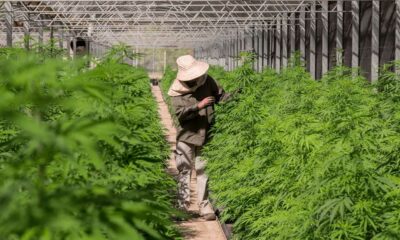
In addition to the license granted to GROW, the Medicinal Cannabis Authority says it is considering at least five other license applications, worth a total of over $11 million. According to Authority Chairman Daven Joseph, speaking in June at a GROW cultivation facility opening ceremony, «the significant development of the industry» is expected to contribute at least 10% to Antigua and Barbuda's economic output over the next five to ten years.

















Medical Cannabis in Germany: THC Prices Vary by a Factor of 12

France already has 3,000 cannabis retail outlets. None of them are legal.

Morocco's exports of legal cannabis have expanded to 15 countries

Aurora Cannabis Doubles Its Production Capacity in Germany

Tilray is accelerating its operations in Europe thanks to a license in Portugal

Boston will host the 10th annual State of the Cannabis Industry Conference on October 26

A DEA report confirms that there are no fatal cannabis overdoses

A British patient is challenging the NHS's refusal to reimburse medical cannabis

October 2026 CBD Highlights: 10 Strains and Hash to Discover from 5 French Producers

CBD in France: Traceability, Retail Stores, THC and Driving… What the New Bill Proposes
-
 Business2 weeks ago
The legal cannabis market in New York exceeds 4 billion $ in revenue
-

 Cannabis in France3 weeks ago
Which countries legalized medical cannabis before France?
-
Business3 weeks ago
South Korea is preparing to begin local production of medical cannabis to meet rising demand
-
Cannabis in Thailand3 weeks ago
From the boom in dispensaries to a purely medical approach: Thailand is revising its cannabis policy
-
Cannabis and driving3 weeks ago
Medical Cannabis and Driving: New South Wales Ends Automatic Penalties for THC
-
Cannabis in Argentina4 weeks ago
Argentina Opens Its Market to Hemp Flowers Containing 1% of THC
-
Autism3 weeks ago
Autism and Cannabis: Results from the First Placebo-Controlled Trial of NTI164
-
Cannabis in France2 weeks ago
France’s Drug Policy Chief Defends Cannabis Prohibition... and Runs Into the Facts















You must be logged in to post a comment Login